LAST UPDATED: 4/21/26 – Backpackers Packing Guide
This Backpackers Packing Guide contains references to products on my Amazon Store site. I may receive a commission when you purchase these products from my store, though at no additional cost to you. I hand-pick and recommend only the products that I am either familiar with or comfortable recommending.
Backcountry backpacking can be an exciting and awe‑inspiring experience. Being alone in the wilderness gives you a deeper appreciation for yourself and the natural world, and some of the most stunning places I’ve seen in all my miles of hiking have been far from the main trails. The backcountry is where nature feels the most raw and its beauty the most powerful.
But as incredible as it is, backcountry backpacking can be difficult and even dangerous if you’re unprepared. I’ve seen many hikers in remote areas who clearly didn’t have the gear or protection needed to handle changing conditions, and I’ve genuinely worried for their safety.
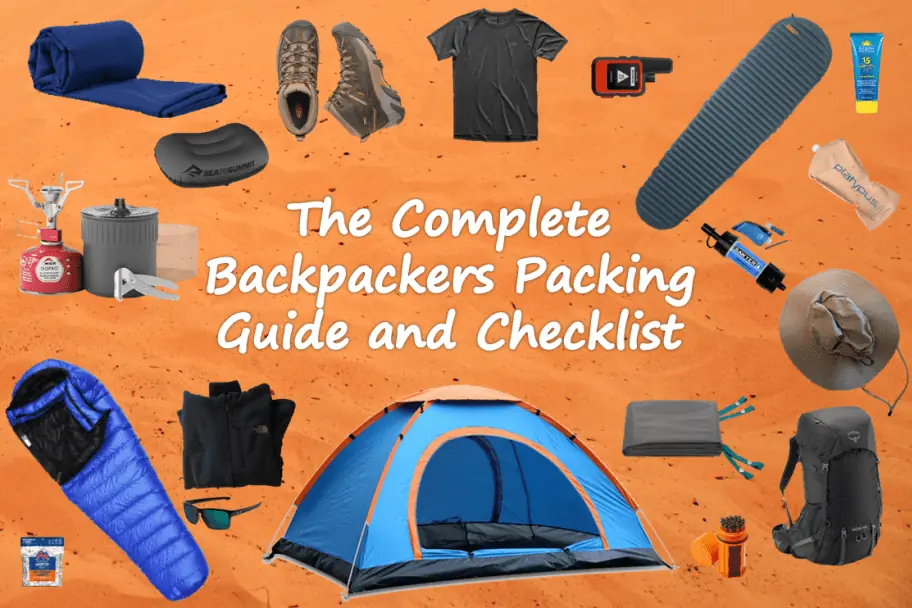
That’s why preparation is essential, especially for overnight trips. Before you head out on your backcountry adventure, I strongly recommend reading my backpacker’s packing guide to make sure you have everything you need for a safe and enjoyable hike. I’ve also included a downloadable checklist so you can be confident you haven’t forgotten anything important.
If this guide inspires you to get out on the trail, you’ll also find several hike and destination guides below. Once you complete your first backcountry trip, you’ll likely want to take on more. I hope your experiences in the backcountry are as rewarding and liberating as mine have been.
| READ MORE: |
 |
| The Top 20 Most Beautiful Hikes in the World |
| READ MORE: |
 |
| The Top 20 Mountain Destinations in the World |
Backpacker’s Packing Guide Navigation Menu


General Backpacking Guidelines
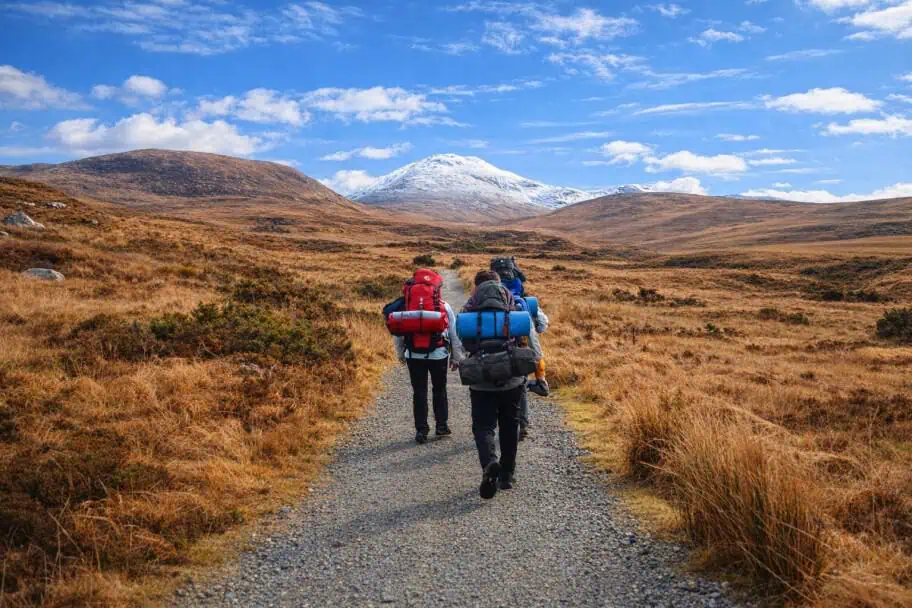
Preparing for your first backcountry backpacking trip takes careful planning to ensure you have what you need without overpacking. Before I share the list of recommended items, here are a few general packing principles to keep in mind as you get ready for your trip.
Pack Light

The key takeaway from my backpacker’s packing guide is to watch your pack weight. Bring what you need, but keep it light enough for long distances. As you shop for gear, remember that your backpack should weigh no more than 20% of your body weight—so if you weigh 200 pounds, your pack shouldn’t exceed 40 pounds.
Bring Enough Water

Many new backpackers underestimate how much water they need. Some items are luxuries or conveniences, but water is a necessity. Forgetting a snack or cookware is manageable; running out of water is dangerous.
Plan on 1 liter of water for every two hours of hiking per person. For two people hiking for ten hours, that means ten liters. Since each liter weighs about 2.21 pounds, factor that into your pack weight.
For longer trips, you can bring a water treatment device, but always confirm water sources ahead of time rather than assuming you’ll find them on the trail.
Plan Your Food

After water, food is the next most important thing you’ll pack. Long backcountry hikes burn a lot of calories, and without enough food, you’ll feel miserable at best and too weak to make safe decisions at worst.
Plan on 1.5–2.5 pounds of food per person per day, roughly 2,500–4,500 calories. Choose nutritious, non‑perishable, lightweight options.
Dehydrated backpacking meals are a great choice—they’re calorie‑dense, lightweight, last a long time, and only require boiling water at camp.
Use a Checklist to Pack

One of the worst things that can happen on a backcountry trip is forgetting something important. With so much gear to rely on, it’s easy to overlook items, which is why I strongly recommend using a checklist.
If you follow my blog, you know I’m a big fan of checklists, and I’ve included a printable one in my backpacker packing guide. I also like to lay out all my gear before packing so I can take a final inventory and make sure nothing is missing. It also helps me repack before each trip, so I know exactly where everything is on the trail.
Backpackers Packing Guide – Checklist

Before you start packing your backpack for your next big backcountry backpacking trip, make sure you download and print off my Backpacker’s Packing Checklist below. Using this checklist, you can make sure that you don’t forget any important gear that you will need for your trip.
Download and Print My Backpacker’s Packing Checklist
Essential Backpacking Gear
NOTE: This Backpackers Packing Guide contains references to products on my Amazon Store site. I may receive a commission when you purchase these products from my store, though at no additional cost to you. I hand-pick and recommend only the products that I am either familiar with or comfortable recommending.

When you start to put together a list of equipment that you will need for your backcountry backpacking trip, it is best to start with the essential gear. In addition to the backpack you will use to carry your gear, this essential gear includes the sleeping bag that you will take with you to sleep in and the tent that you will use to protect you from the elements.
These are key pieces of equipment that you will want to make sure to research before making a purchase. To help you find the right essential gear for you, I have included a wealth of information for you to review in my backpacker’s packing guide below.
Backpacking Backpacks
 |
Choosing the right backpack for your backcountry hiking adventure is one of the most important decisions that you will make in preparation for your trip. After all, you will carry everything that you need to sustain yourself while in the backcountry in this bag. If you need something on your hike, you better have it in this bag. Not only does this include essential gear like your tent, sleeping bag, and sleeping mat, but it also includes all your food, water, and survival essentials. If you are looking for a backpack for your next trip, I have included a link with some recommended options for you to review below. |
| View Recommended Options on Amazon.com | |
Choosing the Right Backpack

Packing the perfect backpacking bag is a balance between carrying what you need and avoiding unnecessary weight. Bringing too little can put you in danger, while bringing too much can make your trip miserable. To help you choose the right bag for your adventure, I’ve outlined the key criteria to consider in this backpacker’s packing guide.
- The size of the bag that you bring will be dictated by the duration of the hike that you are planning. For shorter hikes where you are just staying overnight, you will need a much smaller bag than you would for multi-day or extended hikes. To understand what size bag is recommended for different backcountry hiking durations, please reference the chart I have included in my backpacker’s packing guide below.

When choosing a backpacking bag, it is important to choose a bag that fits you properly. An improperly fitting bag will make your hike uncomfortable at best. When trying on bags, there are two specific areas you should pay attention to.
The Waist Belt
The first is the waist belt of the bag. If the waist belt is too large, you won’t be able to distribute the weight of the bag properly, and you will struggle with the weight of the bag.
The Suspension System
along the torso of your body and not extend beyond it. If the bag’s suspension is longer than your torso, the weight of the bag won’t be evenly distributed. The suspension systems for bags differ from vendor to vendor, which is why it is important to always try on backpacking bags before purchasing.
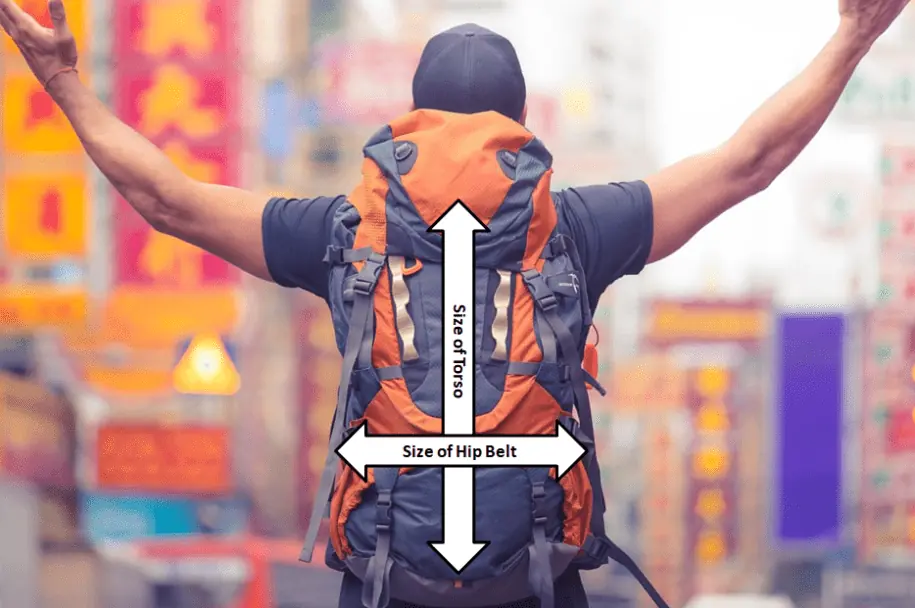
In addition to the fit of the bag, it is also important to pay attention to the features of the backpacking bag that you purchase. There have been a lot of very impressive advancements in bag design that make lugging gear on hikes much easier. For an idea of what types of features to look out for when shopping for a bag, I have included some examples in my backpacker’s packing guide below.

Ventilation
On long hikes, it is important to keep cool in hot temperatures. Carrying a large, heavy bag on your back can often make it difficult. That is why choosing a bag that has proper ventilation features is critically important. Your bag should be able to ventilate body heat away from your body instead of trapping it against you.
Shoulder and Hip Padding
There is nothing worse on a long hike than carrying a large, heavy bag that is uncomfortable. For this reason, choosing a bag that has adequate shoulder and hip padding is important. Proper padding can be the difference between a joyful hike and a miserable march.
Rain Cover
When you hike in the backcountry, the gear that you carry in your backpack is everything you will be relying upon to stay safe and healthy. This is why it is critically important to take care of this gear. One way that you can ensure that the gear in your bag is taken care of is to ensure that you have a rain cover for your bag. A good rain cover will keep the gear in your bag dry, even when the weather is very wet.
Hydration Compatibility
Staying hydrated on a long hike can be challenging. This is especially true when hiking in a hot climate. The technology for carrying water has come a long way in the past few decades, so it has become easier to carry water with you. One of the best ways to carry and access water when hiking is through a hydration bladder. Choosing a bag that has compatibility for accessing a hydration bladder as you hike can be a huge advantage.
Sleeping Bag Compartment
After a long day of hiking, it can be frustrating to have to take everything out of your bag to get your sleeping bag out for a nap. That is why one of my favorite features that I look for in a backpacking bag is an easy-access sleeping bag compartment. These compartments make it quick and easy to get your sleeping bag out without having to empty your bag.
Quick Access Pockets
Speaking of quick access, another feature that is great in backpacking bags is quick-access pockets. These pockets are great for storing maps, navigation systems, or other items you will need mid-hike.
Removable Lid
If you have ever thought that it would be convenient if your big backpacking bag could transform into a smaller bag for use around camp, you are in luck. One of the neater features that you can find in backpacking bags is removable lids. These lids are great for storing smaller items you will need around camp or on short side hikes. Just remove the lid from your bag and use it as a fanny pack or camp bag.
Backpacking Tents
 |
If you are planning on spending a night or more in the backcountry while hiking, then you will want to bring a tent with you. However, you won’t want to bring just any tent. There are specific tents that are designed for use while backpacking. Unlike most tents you use while camping, these backpacking tents are much lighter weight as to minimize your load while carrying your gear. If you are in the market for a backpacking tent to use on your next adventure, I have included a link with some of my suggested tents for you to review below. I have also included some information in my backpackers packing guide below on how to choose the right backpacking tent for you. |
| View Recommended Options on Amazon.com | |
Choosing the Right Tent
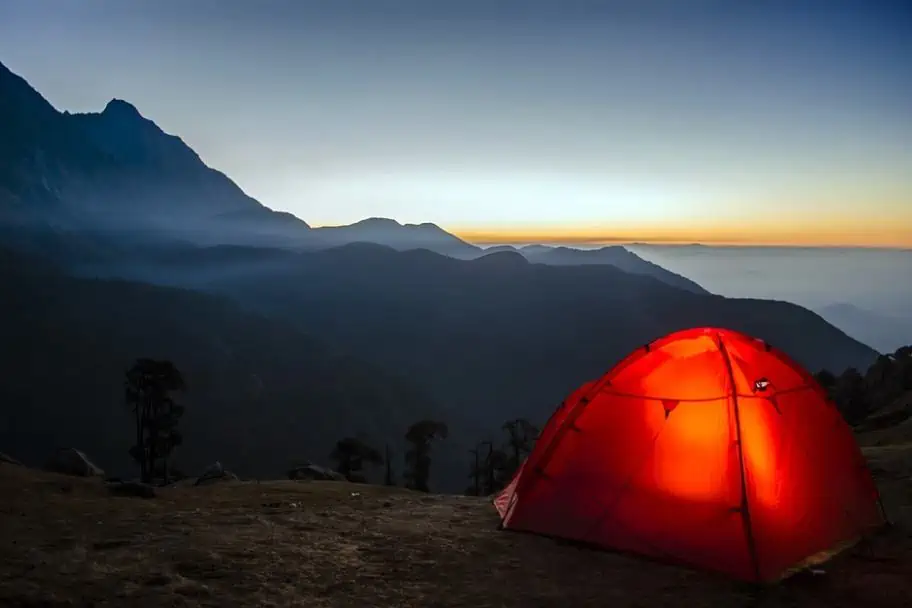
Choosing the right tent is important because it’s your primary shelter on a backcountry trip. The wrong tent might not fit everyone, may not handle the weather, or could be too heavy to carry. Before you decide what to buy, here are some criteria in my backpacker’s packing guide to consider.
Tent Capacity
If you are planning on taking a solo backcountry hiking trip, then tent capacity isn’t as much of an issue. However, if you are planning on hiking with other people and not everyone has a tent, then you are going to want to be sure your tent can accommodate them as well. Even if you are hiking along, carrying a bigger tent than you need to can be an unnecessary weight burden. So before you start shopping for tents, make sure you give the capacity that you need some consideration.
Seasons of Use
Before you purchase a tent, you will also want to consider which seasons you will be using it. For most hikers, a three-season tent is more than adequate. These tents typically include mesh panels that allow airflow and keep insects out, upright walls to give you more headroom in the interior, and fewer poles and lighter fabric to reduce weight.
However, if you plan on hiking during the winter, early spring, or late autumn, you may need a more heavy-duty tent. Four-season tents will include fabric panels that have zip covers for mesh areas to keep snow out, as well as more poles to give the tent added strength in strong weather. Because three and four-season tents are very different in some ways, many hikers will choose to purchase more than one tent so that they are covered in all scenarios.
Tent Weight
An often overlooked factor to consider when choosing a backpacking tent is the tent’s weight. Most beginning hikers get so focused on the features of the tents that they are looking at that they lose sight of the fact that you have to carry this tent with you for long distances.
While it shouldn’t be an end-all factor when choosing a tent, the weight of the tent you choose should be an important consideration. When looking at tents, you will want to consider the Minimum Trail Weight, and not the Packaged Weight, of the tents you’re considering. The tent’s Packaged Weight includes everything inside the box, including the instructions, stuff sack, and other stuff you may not bring with you on the trail.
The Minimum Trail Weight, on the other hand, just includes the weight of the essential items that you need to use the tent. You may bring other gear for your tent with you, but that is an option you can consider, not something you absolutely need to use the tent.
Comfort
Arguably, the most important factor that you are going to need to consider when choosing a tent is the comfort level the tent provides. Some of the factors that you will want to consider when making comparisons between tents are the amount of floor space, the amount of headroom available, the amount of ventilation, and the number of storage compartments for your gear.
The amount of floor room is an important indicator of how much room you will have in your tent, which is important if you are sleeping with multiple people. As is the amount of headroom, which is a big factor in the comfort level of a tent you will be spending a lot of time in. Ventilation and storage are also important factors to consider if you plan on hiking in warmer temperatures and have gear that you would like to organize while in your tent.

Ease of Setup
The final factor that you will want to consider when choosing a tent is how difficult the tent is to set up. You are likely to need to set up and tear down your tent several times throughout a long backcountry hike, so choosing a tent that is cumbersome to assemble could be frustrating.
It can be especially difficult if you are setting up your tent after dark while spending the whole day on a trail. For this reason, making sure that the tent you buy is reasonably easy to set up and break down should be a factor you consider before purchasing a tent.
Backpacking Sleeping Bags
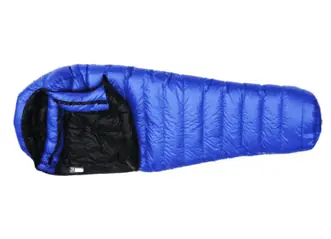 |
In addition to your tent, the sleeping bag that you choose for your backcountry backpacking adventure will go a long way to determining how comfortable you are. There is no such thing as a temperature controlled environment in the backcountry, so your sleeping bag is the most effective tool that you have to keep you warm on cold nights. If you choose the wrong sleeping bag to bring with you, a cold night can be unbearably uncomfortable or even dangerous. If you would like to view some of my recommended backpacking sleeping bags, please refer to the link below. |
| View Recommended Options on Amazon.com | |
Choosing the Right Sleeping Bag

While a good backpacking sleeping bag must be able to keep you warm, it must also be light. Your sleeping bag can be one of the heaviest pieces of gear in your backpack, so you must also consider the weight of the bag when choosing a sleeping bag for your trip.
To help you choose the right sleeping bag for your backpacking trip, I have included some of the most important factors to consider when shopping for a backpacking sleeping bag in my backpacker’s packing guide below.
Temperature Rating
One of the most important factors that you will need to consider when choosing a sleeping bag is the temperature rating for the bag. Many sleeping bags will have both a lower limit rating and a comfort rating.
The lower limit rating, or survival rating, is the lowest temperature at which the bag can be safely used. Keep in mind that this rating doesn’t mean that you will be comfortably warm at this temperature. To determine what temperatures the bag will be comfortable at, you will need to look at the comfort rating instead.
Weight
Another important factor that you will want to consider when looking at backpacking sleeping bags is the weight of the bag. Again, you are going to need to carry the sleeping bag in your bag for all the miles you travel on the trail, so you need to keep the weight down as much as possible.
Typically, backpacking sleeping bags will weigh between 1 to 3 pounds, depending on the type and amount of insulation. Any bag that weighs over 3 pounds is too heavy for long backpacking trips in the backcountry. My suggestion is to determine what temperature rating you need for you need first, then start looking at the weight and cost of bags that meet that rating.
Bag Shape
The shape of the sleeping bag that you choose will not only impact your comfort level, but the shape of the bag you choose can impact the warmth of the bag. Four main shapes of backpacking sleeping bags come in. This includes rectangular, semi-rectangular, mummy, and spoon-shaped.
Rectangular bags are typically the roomiest. However, rectangular bags also have the most space your body needs to warm, so they often sleep the coldest. Mummy bags are designed to fit the shape of your body and minimize the amount of space to warm, so they tend to sleep the warmest.
However, they can be difficult to move in and uncomfortable for side sleepers. The semi-rectangular and spoon-shaped bags try to give you the best of both worlds by minimizing unneeded space but providing you enough to move while you sleep.

Insulation Type
In addition to the shape of your sleeping bag, the other big factor that will influence the warmth of the bag you choose is the type of insulation used in the bag. There are two types of insulation used in backpacking sleeping bags – Synthetic and Down insulation.
Each of these insulation types has its pros and cons, so consider what is important to you before choosing a bag to purchase. For instance, down sleeping bags tend to be lightweight, easy to compress, durable, and excel in cold conditions when they are dry. On the other hand, sleeping bags with synthetic insulation tend to be much quicker drying and provide more insulation when wet.
Sleeping Bag Features
The final thing that you will want to consider when deciding on a backpacking sleeping bag to purchase is the other features that the bag offers. In the past few decades, there have been a lot of very innovative features that manufacturers have come up with to make backpacking sleeping bags more comfortable, durable, and organized.
These features include such things as sleeping bag hoods, draft-blocking features, venting features, anti-snag zipper features, stash pockets, and pillow pockets. For a summary of these features, please refer to the diagram I included in my backpacker’s packing guide below.

Backpacking Sleeping Pads
 |
If you are going to be camping in the backcountry while hiking, you are going to want to make sure that you have a decent sleeping pad with you. This is especially important if you are going to be camping for multiple days or hiking thru rocky ground. A good sleeping pad can make a big difference in keeping your spirits up on extended hikes. You will want to be sure the pad you pick is both comfortable and light because you will need to carry it with you when you hike. For my top recommendations on sleeping pads, please see the link below. |
| View Recommended Options on Amazon.com | |
Sleeping Bag Liner
 |
I enjoy almost everything about backpacking, but one thing I could certainly do without is cleaning my gear when I get home. Sleeping bags can be especially tricky to clean when they get dirty. That’s why I love to carry a sleeping bag liner with me when I go backpacking. Not only does it keep my sleeping bag clean, but it also adds an extra bit of warmth on cool nights. For some good sleeping bag liner recommendations, please see the link I included in my backpackers packing guide below. |
| View Recommended Options on Amazon.com | |
Tent Footprint
 |
Just like taking care of your sleeping bag is important, so is taking care of your tent. Like anything, tents can get worn out with extended use. This is especially true if you are camping on hard, uneven surfaces. That is why I like to carry a light-weight tent footprint with me when I go backpacking. The tent footprint sits on the ground below the tent, which not only protects the tent from wear-and-tear, but it also provides a moisture shield. For my top recommendations on tent footprints, please see the link I included below. |
| View Recommended Options on Amazon.com | |
Backpacking Pillow
 |
I bet I am not the only one who wishes I could take the pillow off my bed at home, compress it, and pack it in my backpacking bag to take with me on overnight hikes. Sadly, the size and weight of standard pillows makes them an impractical addition to your backpacking gear. However, they do make some very light weight and compact backpacking pillows that are almost as comfortable. Some are blow up, while other backpacking pillows are made of compressible material. For a look at my top backpacking pillow recommendations, please see the link I included below. |
| View Recommended Options on Amazon.com | |
Backpacking Camp Kitchen Gear
NOTE: This Backpackers Packing Guide contains references to products on my Amazon Store site. I may receive a commission when you purchase these products from my store, though at no additional cost to you. I hand-pick and recommend only the products that I am either familiar with or comfortable recommending.

When you’re overnight in the backcountry, everything you eat and drink has to come from what you carry. There are no stores or restaurants, so you’ll need to make your own coffee, cook your meals, and haul your water.
Since most of us can’t carry huge amounts of weight, it’s important to be smart about the food and kitchen gear you bring. To help you decide what to pack, I’ve included a list of backpacking kitchen equipment below.
Backpacking Stove
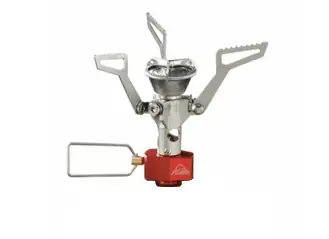 |
When you are backpacking in the backcountry, you can’t just go to the kitchen to make yourself a meal at night. You need to be able to prepare a meal at your campsite with the materials in your backpack. Carrying a heavy camp stove with you isn’t an option, unless of course you plan on exhausting yourself on the trail. That is why it is important to have a good, light weight camp stove with you in your bag. If you are looking for a good backpacking stove for your next backcountry adventure, I have included a link below to some of my top recommendations. |
| View Recommended Options on Amazon.com | |
Backpacking Stove Fuel
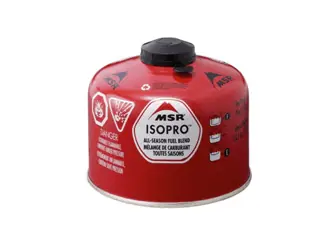 |
In addition to your camp stove, you are going to need to bring fuel for the stove with you when you hike. When choosing a fuel cannister for your trip, I would strongly recommend bringing as small and light a cannister as you can. You want to make sure you have enough fuel, but you don’t want the added weight of carrying too much. If you are looking for some good fuel cannister recommendations, I have included a link in my backpackers packing guide with my top choices below. |
| View Recommended Options on Amazon.com | |
Backpacking Pots and Utensils
 |
Having a camp stove with you will do not good if you don’t have pots, cups, and utensils in which to prepare your food. Like the rest of you backpacking gear, the pots and other utensils that you carry with you should be light weight and compact. They make specific kitchenware for backpackers, so make sure you read the product descriptions when choosing your kitchen gear. If you would like some help with recommendations, I have included a link below for some of my top picks. |
| View Recommended Options on Amazon.com | |
Water Bladder(s)
 |
I don’t think any experienced backcountry hiker would disagree with me when I say that the most important thing you will carry with you when you hike in the backcountry is water. Running out of water can be a dangerous proposition, so you will definitely need to have the necessary gear with you to carry water as you hike. Never count on being able to find water when you hike. It is always a good idea to be able to carry water with you. For my top water bladder and water bottle recommendations, please see the link below. |
| View Recommended Options on Amazon.com | |
Water Purification System
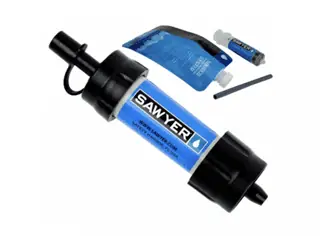 |
If you plan to go on a really long hike, carrying all the water you need for your trip may not be feasible. In these situations, you will want to have a water purification system or water purifying drops or tablets to purify water you find on your hike. This will allow you to refill your water bottles and water bladders along the way. For my top picks on water purification systems, please see the link I provided in my backpackers packing guide below. |
| View Recommended Options on Amazon.com | |
Waterproof Matches or Lighter
 |
One of the most often overlooked pieces of kitchen gear that you will undoubtedly need on your backcountry hike is a means to start your camp stove. If you don’t have matches, a lighter, or a fire starter with you, then it will be very difficult to heat up your food and make coffee. I like to keep a lighter in my backup, but I also carry a set of water proof matches as a backup in case my lighter gets lost. For my recommendations on fire starters and water proof matches, please see the link I included below. |
| View Recommended Options on Amazon.com | |
Backpacking Meals
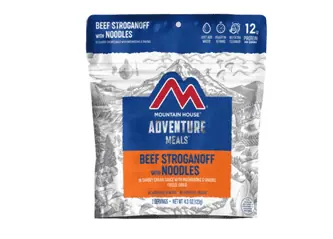 |
When you are stacking up the miles on the trail, you are going to burn a lot of calories. For that reason, it is important to have enough food packed in your bag when hiking in the backcountry. Unlike traditional camping trips, you won’t be able to bring a cooler or grocery bags with you when you hike. Instead, you are going to want to carry dehydrated foods and ready made backpacking meals in your backpack. For some great backpacking meal suggestions and dehydrated food cook books, please refer to the link I have included in my backpackers packing guide below. |
| View Recommended Options on Amazon.com | |
Trail Snacks (Optional)
 |
The last backpacking kitchen item that I would consider bringing with you when you are on a backpacking trip is a trail snack or two to enjoy while on the trail. Granola bars, trail mix, and packs of nuts are all great options that I will usually bring with me. You aren’t going to want to overload your bag with snacks, but having something to munch on while you hike can be a great pick-me-up. For some ideas on good trail snacks you can buy in bulk, please see the link I included below. |
| View Recommended Options on Amazon.com | |
Backpacking Hiking Gear
NOTE: This Backpackers Packing Guide contains references to products on my Amazon Store site. I may receive a commission when you purchase these products from my store, though at no additional cost to you. I hand-pick and recommend only the products that I am either familiar with or comfortable recommending.
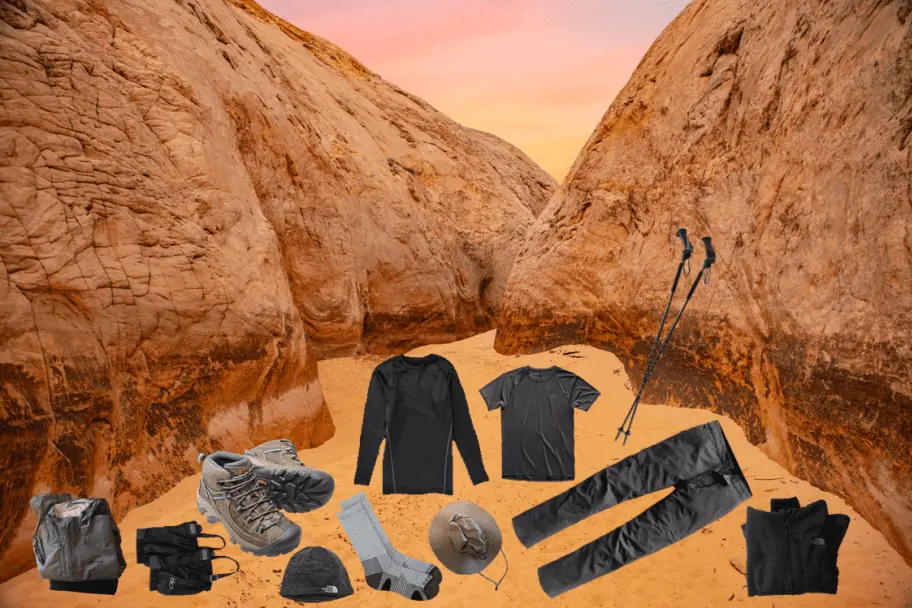
While a lot of your focus when packing for your next big backpacking trip will center on what you have in your backpack, some of your focus should be on what you will be wearing and using when you hike as well. Your hiking clothes and hiking gear are critically important pieces of equipment that will keep you comfortable and safe while on the trail.
If you haven’t done an extensive amount of hiking in the past, I have included a list of some of the gear that I would recommend having with you in my backpacker’s packing guide below.
Hiking Boots
 |
One of the most important pieces of gear you will want to pack for your backcountry hike will be a pair of high-quality hiking boots. Even if you don’t hike extraordinarily far, there is a good chance you will be doing a lot of walking on uneven trails and a good pair of hiking boots will help you maintain traction and not slip or stumble. This is especially true if you are planning to hike technical trails or do a lot of rock scrambling. |
| View Recommended Options on Amazon.com | |
Choosing the Right Hiking Boots

When you go on a backcountry hike, an injury that leaves you unable to walk can be a major inconvenience or even dangerous. You will want to make sure that you have the proper footwear with you before setting off on any hike, let alone a multi-day hike in the backcountry. When looking for the right hiking shoes or boots, please keep the following factors in mind:
Things to Consider When Choosing Hiking Boots
- Lightweight Boots – Choose boots between 2.2 and 3.3 lbs to avoid extra strain on long hikes.
- Good Traction – Pick rubber soles with deep lugs for reliable grip on uneven terrain.
- Ankle Support – Use mid‑ or high‑cut boots, ideally with speed hooks or D‑strings for added stability.
- Fit With Hiking Socks – Try boots on with your hiking socks to ensure an accurate fit.
- Toe Room Check – Make sure your toes don’t touch the front to prevent pain on descents and scrambles.
- Waterproofing – Choose waterproof boots to avoid wet feet, blisters, and potential injuries.
Hiking Socks
 |
Good hiking socks are an absolutely critical piece of hiking equipment. Not only can wearing the wrong socks leave you uncomfortable, but wearing the wrong socks can be dangerous if your feet get wet when it is cold. If possible, I would strongly avoid wearing cotton socks when you hike in the backcountry. Cotton does a poor job of insulating when wet, so your feet are sure to get cold if your boots\shoes get wet on the trail. I love to wear light weight wool socks when I hike, even during the summer months. For some recommendations on good hiking socks to purchase for your next hiking adventure, please see the link in my backpackers packing guide below. |
| View Recommended Options on Amazon.com | |
Hiking Pants or Shorts
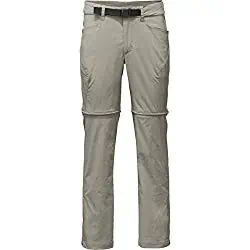 |
You will be doing a lot of hiking when you go backpacking, so you will want to have a pair of pants or shorts that are comfortable. I would strongly recommend that you NOT wear jeans while you go hiking in the backcountry, as jeans can be quite uncomfortable to walk in when they are wet. In addition, they do a very poor job of keeping your warm when they get wet as well. I always bring a pair of convertible pants with me when I go backpacking because they give me the flexibility of wearing either pants or shorts depending on the weather. |
| View Recommended Options on Amazon.com | |
Breathable T-Shirts
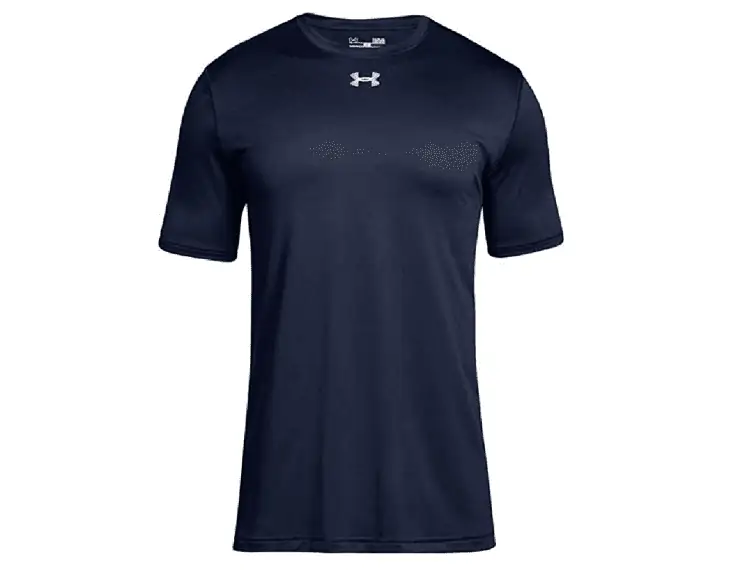 |
When hiking in the backcountry, you will want to make sure that you bring layers of clothing with you. This is important because you really don’t know what kind of weather to expect and you need to be flexible with your clothing. The last thing you want is to be ill prepared. I recommend wearing a breathable T-Shirt as your bottom layer because they wick moisture away from your body when you sweat. This will ensure that you don’t get cold after hiking all day and then stopping. |
| View Recommended Options on Amazon.com | |
Lightweight Down Jacket or Fleece
 |
Having a warm, yet light, jacket to wear when hiking in the backcountry is important because you never know when temperatures are going to turn cooler. This is especially true early in the morning or when you wind down your hike in the evening. In addition to being warm, you will also want to make sure that the jacket you bring is light. The last thing you will want to do when hiking long distances with a heavy pack on your back is to have to carry a heavy jacket around with you. |
| View Recommended Options on Amazon.com | |
Rain Gear
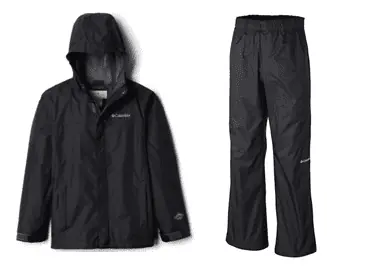 |
Hiking when you are wet can be an absolutely miserable experience. The only thing worse is having to setup your campsite when you are wet. If you have the room in your backpacking bag, it is always a good idea to have rain gear with you when you hike in the backcountry. The water resistant shell can also be used as a wind breaker and as a top layer when hiking during the winter. If you are looking for some good recommendations for gear to purchase, I have included a link to my recommendations below. |
| View Recommended Options on Amazon.com | |
Moisture Wicking Base Layer (Optional)
 |
If you are planning on doing some backcountry hiking during the winter, then you will definitely want to have a warm base layer with you. Good base layers will wick the moisture from your sweat away from your body, keeping you warm even when your clothes are wet. When I go on backcountry hikes, I take a light weight base layer with me, even during the summer. If nothing else, it can help keep you warm on wet, cold nights. For some good base layer recommendations, check out the link in my backpackers packing guide below. |
| View Recommended Options on Amazon.com | |
Hiking Gaiters (Optional)
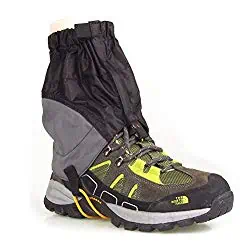 |
If you plan on hiking in a sandy, muddy, or snowy environment, then bringing a pair of lightweight gaiters with you may be a good idea. They will keep sand and water out of your hiking shoes or boots, which will make your hike much more comfortable. I like to bring a set of gaiters with me whenever I do long hikes because I never know what to expect on the trail. For some good hiking gaiter recommendations, check out the link I provided below for my recommendations. |
| View Recommended Options on Amazon.com | |
Hiking Poles (Optional)
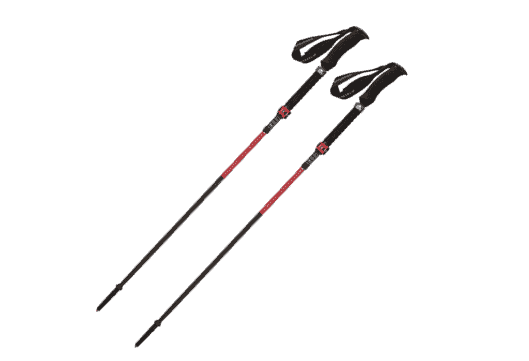 |
For hikers who know that they will be encountering some uneven terrain during their hike, including a set of hiking poles on your trip may be a smart decision. A good set of hiking poles can really help you maintain your balance as you are moving over uneven or steep ground. Like the rest of your gear, you will want to keep the weight of the poles in mind. For some of my top recommendations on hiking poles, please refer to the link I provided below. |
| View Recommended Options on Amazon.com | |
Sun Hat (Optional)
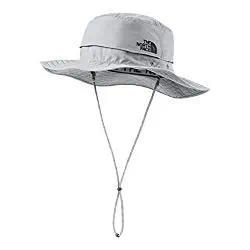 |
When you are planning on hiking in very hot temperatures, protecting yourself from the sun is critical. Not only would I recommend having an adequate supply of sun screen with you, but having a sun hat to shade your face can help keep you cool. I love the safari hat that I purchased for my backcountry hikes in Southern Utah and Arizona so much that I wear it on almost all my hikes. For some great options to explore purchasing, please refer to the link I provided in my backpackers packing guide below. |
| View Recommended Options on Amazon.com | |
Winter Hat (Optional)
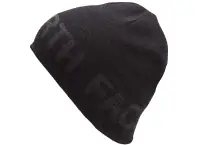 |
Just like it is important to protect your head when it is hot, it is also important to keep it protected when hiking in very cold temperatures. If you plan on hiking during the winter, early spring, or late autumn, then it is a smart idea to carry a winter hat with you. You may not wear it when hiking, but chances are that you will want to have it with you around camp at night. If you are looking for a good winter hat to purchase, I have included a link below with some great recommendations. |
| View Recommended Options on Amazon.com | |
Navigation and Emergency Equipment
NOTE: This Backpackers Packing Guide contains references to products on my Amazon Store site. I may receive a commission when you purchase these products from my store, though at no additional cost to you. I hand-pick and recommend only the products that I am either familiar with or comfortable recommending.

When it comes time to start packing your backpack for a backcountry hike, some of the most routinely overlooked pieces of equipment are related to navigation and safety. These are pieces of equipment that you hope you won’t need, but can be absolutely lost without.
Should you get lost in the backcountry, having these tools to help you navigate and stay safe until you can get yourself out or are found can be the difference between life and death. That’s why I strongly recommend that you carefully review the equipment I have listed below and make sure you have these items packed in your backpack.
Distress Alert Whistle
 |
There are few things that a backcountry backpacker dreads more than being injured or lost in the backcountry and not being able to alert people to your position. One of the lowest tech, and therefore most reliable, ways to alert people to your position is by making a sound that can be heard from a distance. Few things are better at making a sound that carries than a distress whistle. These light, easy to pack devices could save your life one day. Because they are so small, light, compact, and affordable, they are a no-brainer addition to any backpackers bag. |
| View Recommended Options on Amazon.com | |
Survival Blankets
 |
If you use my backpackers packing guide wisely, then you should seldom find yourself stuck in a situation where you aren’t prepared for the trail. However, there are certain circumstances that even the most experienced backcountry backpackers can’t anticipate. That is why it is so important to always have emergency gear with you in your bag. If the weather turns for the worst and you find yourself without adequate cold weather gear, a survival blanket could literally be the difference between life or death. These compact, easy to carry Mylar foil blankets reflect up to 90% of your body heat back at you. That is often enough to stave off hypothermia and give you time to get yourself out of a bad situation. |
| View Recommended Options on Amazon.com | |
Portable Rain Ponchos
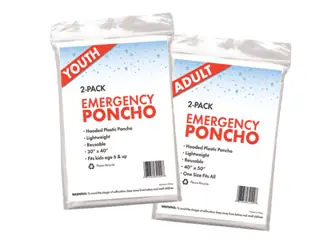 |
Even if you pack rain gear for your hike, having an emergency backup that you can quickly throw on if the weather turns suddenly wet while on the trail can be a huge advantage. A portable rain poncho can also be a great lightweight substitute if you are trying to cut down the weight of your gear and don’t want to pack heavier rain gear. I always keep a portable ponch in a quick access pouch on the belt of my backpack when I am hiking so that I can quickly throw it on if need be. |
| View Recommended Options on Amazon.com | |
First Aid Kit
 |
In the unfortunate event that someone gets hurt on your hike, it is always good to be prepared. Even if there aren’t any big injuries, being able to properly treat blisters, sun burn, scratches, abrasions, and other small injuries is important. Having to hike with a bad blister or cut can be very uncomfortable, especially if they get infected. Being able to treat these small wounds can help you avoid having to hike some uncomfortable miles with nagging injuries. |
| View Recommended Options on Amazon.com | |
Utility Knife
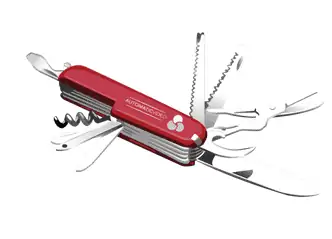 |
Chances are, there will be situations on your hike where a small knife will come in handy. In fact, a small utility knife is one of the most valuable tools that you can have with you when hiking, camping, or backpacking. Having a small, compact knife with you is always a good idea. I like to keep a Swiss Army Knife in the belt pouch of my backpack in case I need to cut rope, trim fabric, or use my knife for a myriad of other reasons while on the trail. |
| View Recommended Options on Amazon.com | |
Head Lamp or Flashlight
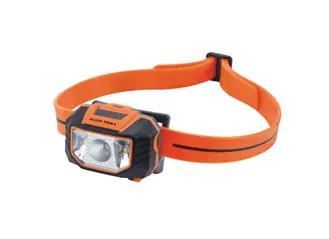 |
If you are planning on going on any type of overnight hike, then you are going to want to have some way to see in the dark when the sun goes down. It will be mighty difficult, if not dangerous, to be walking around after dark without a light source. They do make small backpacking lanterns that you can bring with you, but when I go backpacking I like to save as much space and weight as I can in my bag. That is why I prefer to carry a head lamp with backup batteries in my bag. If you don’t have a head lamp, a small, light weight flashlight will do the trick as well. |
| View Recommended Options on Amazon.com | |
GPS Device
 |
Many backcountry hikes have defined trails for hikers to follow, but many do not. For instance, in the Grand Staircase-Escalante National Monument in the United States, many of the amazing features that hikers hit the backcountry to see aren’t located off marked trails. Instead, backpackers need to find their own way to these amazing sights. If you are planning to hike in the backcountry, I would strongly recommend having GPS capability with you so that you don’t get lost. If you don’t want to invest in a device, you can sign up for the pro version of the Alltrails App. I like the Garmin InTouch devices because they have GPS, allow me to send messages, and have an emergency SOS feature in case I get in trouble. If you would like to review these devices, please see the link I included below. |
| View Recommended Options on Amazon.com | |
Compass
 |
While GPS devices are great for navigation, you don’t want to be completely dependent upon them in case of an emergency. If all you have to navigate is a GPS device and its battery dies, then you are in trouble. That’s why I like to always carry a small compass in my bag as well. Should all else fail, I am able to use a compass, along with the maps that I bring with me, to navigate myself out of trouble. If you would like to review some of my recommendations for small, light weight compasses, please see the link I included in my backpackers packing guide below. |
| View Recommended Options on Amazon.com | |
Topographical Maps
 |
If you find yourself in an emergency situation during your hike where your GPS device is out of batteries or unusable, a compass will only help you if you know where you are going. That it why it is always important to carry a topographical map with you as well. Not only will the map help you navigate, but they are also great for helping you with route finding. Without a sense of what is ahead, you might find yourself navigating yourself towards impassable canyons, steep cliffs, etc.. If you would like to purchase a topographical map for a hiking destination in the United States, I have included a link to the USGS website below. |
| View Topographical Maps on the USGS Website | |
Paracord (Optional)
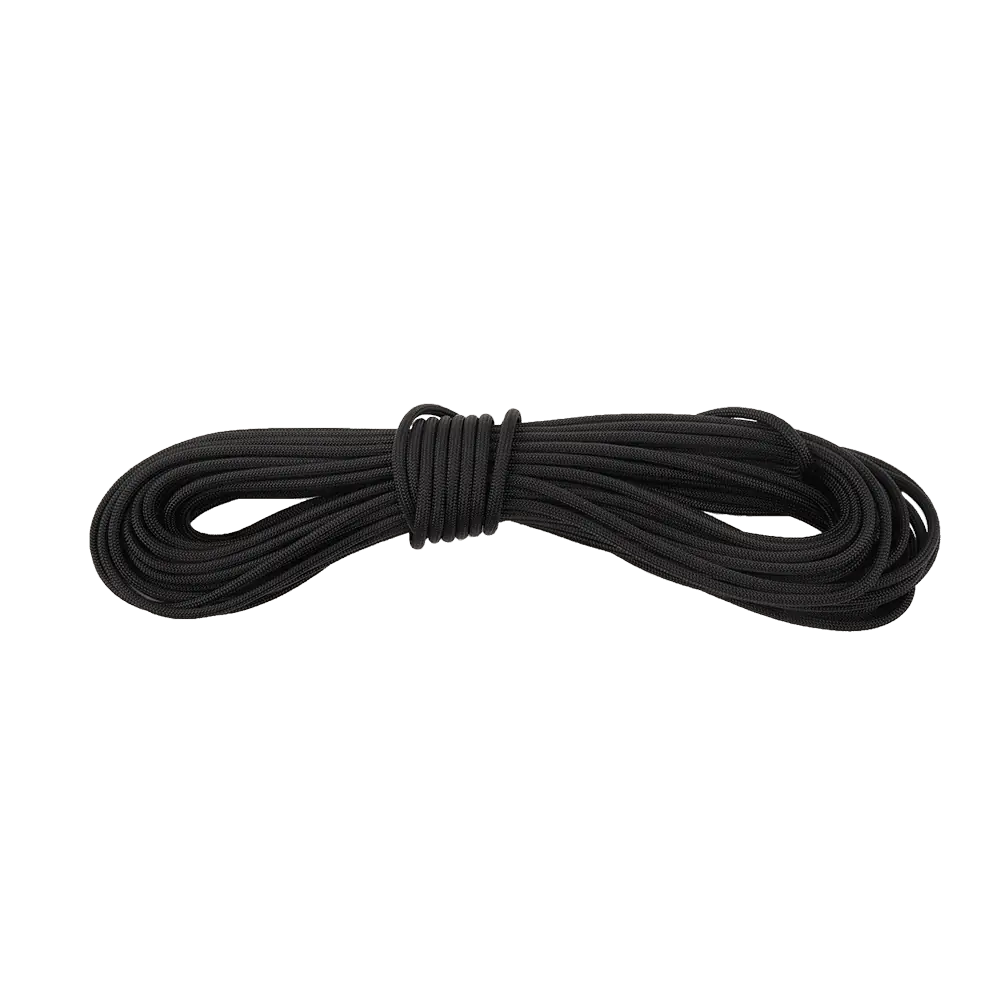 |
When I go on backcountry hikes, I like to bring some paracord with me in case I need it. There are a bunch of reasons why paracord could come in handy, but one of the reasons I use it the most is for a backpack drop line. If I encounter a steep climb or descent on my hike where I feel more comfortable tackling it with my backpack off, I can use the paracord to either pull my backpack up after I have finished the climb or to lower my backpack down ahead of me before I make a descent. I cannot tell you how valuable this is and how much safer I feel doing difficult hikes knowing I don’t need to wear my backpack on the technical sections. |
| View Recommended Options on Amazon.com | |
Climbing Rope (Optional)
 |
The last piece of navigation and safety gear that I would recommend considering when you start packing for your next backcountry hike is a section of climbing rope. Obviously, if you aren’t planning on hiking a technical trail in the mountains or canyons, then this piece of gear may not be necessary. However, if you do plan on hiking thru terrain that will require some climbing, then having a section of climbing rope will make your hike a lot safer. Depending on the hike, it may also make sense to pack a belay device and other gear with you as well. |
| View Recommended Options on Amazon.com | |
Don’t Forget to Subscribe to My Adventures!

Let Me Help You Save On Your Next Adventure!
‘Start Exploring Today’ Merchandise Available Now!
 |
 |
 |
 |
 |
 |
 |

















Wow, this is so thorough! I have so much backpacking gear but haven’t backpacked for decades. My stuff is probably all out of date and “old school.” 🙂
Thank you!!! I have a bunch of old stuff I still use. As long as it gets the job done 😃
I agree with The Travel Architect- Very thorough post! I have a series of posts coming up about backpacking through Yosemite. Luckily for our group we were able to borrow everything for that trip, which was a huge plus for us. All of this gear adds up in price plus we would definitely have had to check bags when flying cross-country.
First off, Thank you!!! I cannot wait to read about your backpacking trip thru Yosemite!!! That is an experience that is so high on my bucket list. I am sure it was AMAZING!! 👍😀
It was even better than I could have imagined.
Very thorough, thank you!
Thank you so much Diana!!!
Thanks for this great summary. I am planning my first big cross country hike next year and there is so much to learn and think about! All good food for thought. Mel
I am so glad you found the guide helpful Mel!! I hope you have so much fun on your big hike!!
Survival blanket is a must. I have one in any time
Absolutely!!