LAST UPDATED: 5/23/26 – Hwange National Park Safari Guide
Africa has no shortage of remarkable parks, and after safaris in nine different reserves across four countries, the one that still stands out is my Hwange National Park safari. Established in 1929 and named after a local Nhanzwa chief, Hwange has grown into one of the continent’s most important wildlife sanctuaries.
What makes a Hwange National Park safari unforgettable is its wildlife density. The park is famous for massive elephant herds, thriving lion and leopard populations, and one of Africa’s strongest remaining groups of endangered painted dogs. It’s also one of the few places where you can still see the full Big Five, along with Zimbabwe’s best giraffe viewing. Whatever you hope to spot, a Hwange National Park safari delivers.

That’s why I created this Definitive Hwange National Park safari guide—to share my experience, my photographs, and the practical details you need to plan your own trip.
In this Hwange National Park safari guide, you’ll find entry requirements for Zimbabwe, tips for reaching the park, an overview of its main regions, and recommendations for tours, lodges, and campsites. With these essentials, you can confidently plan a Hwange National Park safari you’ll remember for a lifetime.
Hwange Safari Guide Navigation Menu



Zimbabwe Entrance Requirements

Before you depart for your Hwange National Park safari in Zimbabwe, you will need to make sure that you meet all of the requirements for entry into the country. To assist you in this preparation, I have created a short article that outlines all of the Zimbabwe entry requirements for visitors. This includes the necessary passport, VISA, and customs requirements that you will need to consider before you depart for your trip.

Recommended Travel Immunizations

Important Note: I am not a medical doctor and do not have any medical experience. The information provided in this section is a summary of information that I got from the recommendations of the Centers for Disease Control and Prevention in the United States for travel to Zimbabwe. I am providing you with this information to help bring awareness of the necessary vaccinations to you, but consultation with my guide should not replace a discussion about your travels with your doctor or a travel medical clinic.
One of the most important, and yet most often overlooked, aspects of travel is the necessary vaccinations that are required or recommended to keep you safe and healthy when you travel. Before you depart for Zimbabwe, you are going to want to make sure that you have all of the proper vaccinations.
Some of these vaccinations, like the Yellow Fever vaccination, are included in the Zimbabwe entrance requirements if you are traveling to Zimbabwe from certain high-risk locations. Other vaccinations, such as a flu shot and the Typhoid vaccine, are recommended, but not required.
For your convenience, I have summarized the CDC’s recommendations on vaccines and healthcare for travelers visiting Zimbabwe for you to review in my “Zimbabwe Passport, VISA, Customs, and Immunization Requirements” guide linked below.
What to Bring on Your Hwange Safari

If you are visiting Africa to go on safari for the first time, you might not be sure of what to bring with you. To help you with these questions as you prepare for your Hwange National Park safari, I have developed several guides that you should review. First, my article on the “20 Tips for Those Visiting Africa for the First Time” will help you get prepared for what to expect when you arrive in Africa for the first time. It outlines what you should do, what you shouldn’t do, and gives you some tips that will help you know what to expect on your first visit to the continent of Africa.
Then, as you start to prepare for your trip, you will want to review my “Essential Safari Packing List” to make sure that you have all of the gear that you need and don’t pack what you won’t need with you. Finally, if you plan to take pictures on your safari, you will definitely want to review my “Tips for Photography on African Safaris” guide to make sure you get the best photographs possible to remember your adventure!

| READ MORE: |
 |
| The Essential Safari Packing List |
| READ MORE: |
 |
| Tips for Photography on African Safaris |
How to Get to Hwange National Park
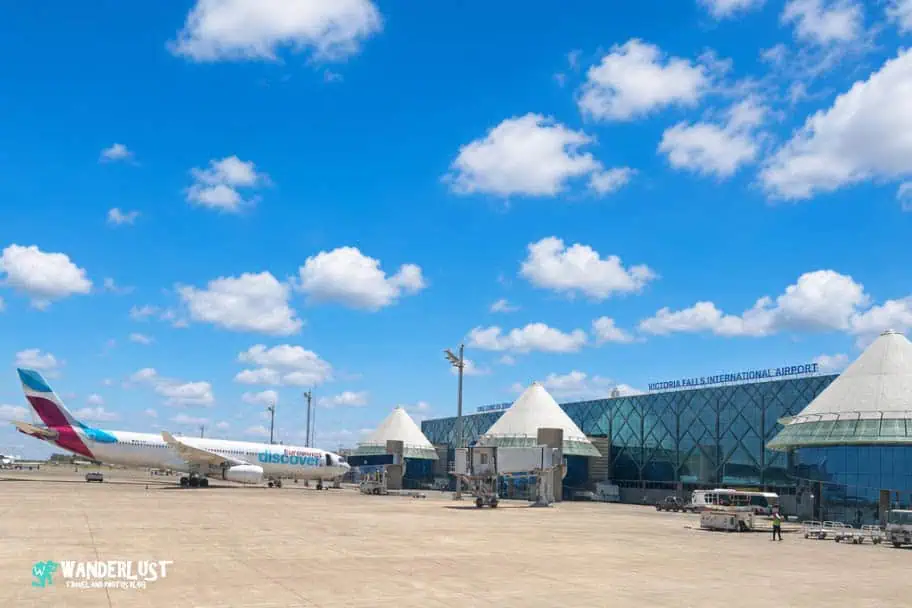
One of the most important things that you will need to consider when planning your Hwange National Park safari is how you are going to get to the park. Not only is Hwange National Park Zimbabwe’s largest national park, but it is also one of the easiest national parks in the country to get to. In this section of my Hwange National Park safari guide, I will provide you with some information and tips on how to get to the park for your safari.
| READ MORE: |
 |
| First Time Visitor’s Guide to Victoria Falls |
Getting to Hwange National Park
How you reach Hwange National Park depends on how you plan to tour it. If you’re booking a safari, your tour operator will tell you exactly how to arrange your travel. They may pick you up in Victoria Falls or help you book a small flight into Hwange National Park Airport.
Travelers on longer multi‑park safaris are often flown directly into the park, while those doing a guided day trip or self‑drive safari are typically picked up at their Victoria Falls hotel. Hwange is an easy 2.5‑hour drive from Victoria Falls, and nearly all operators coordinate round‑trip transport. The city also makes an excellent hub for exploring other nearby parks.
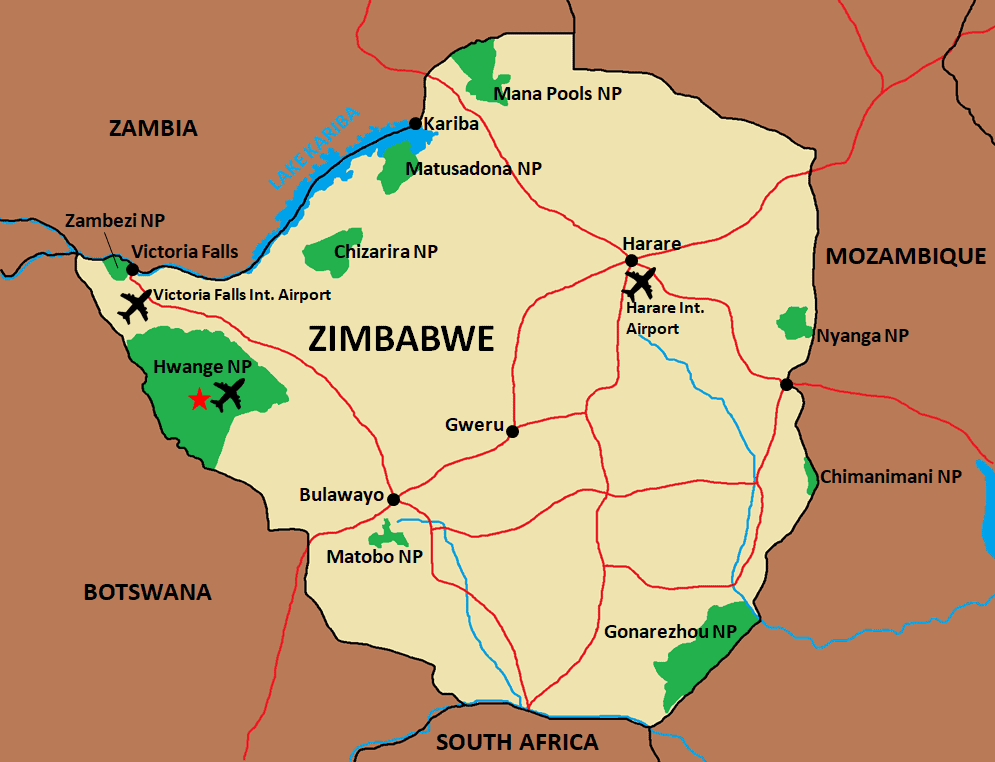
Victoria Falls is just 1.5 hours from Chobe National Park in Botswana and only 15 minutes from the Stanley & Livingstone Private Game Reserve. To help you visualize where Hwange sits in relation to Zimbabwe’s major cities and protected areas, I’ve included an overview map of the country’s national parklands below.
Recommended Hwange Safari Tours
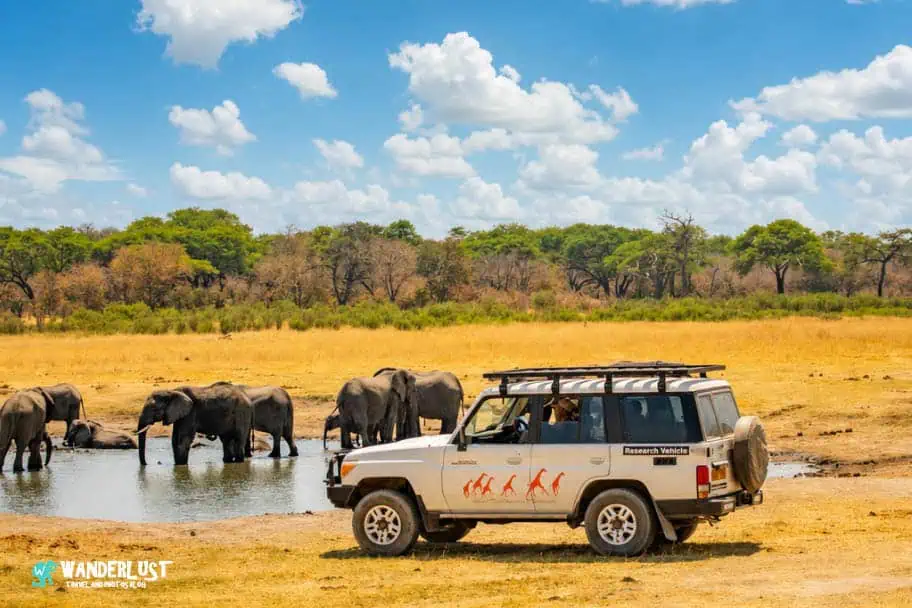
At 5,657 square miles, Hwange National Park is Zimbabwe’s largest protected area—far too big to cover in a single day. If you want to explore multiple regions, a multi‑day safari is the way to go. Still, the park is so rich in wildlife that even a single‑day safari is absolutely worthwhile.
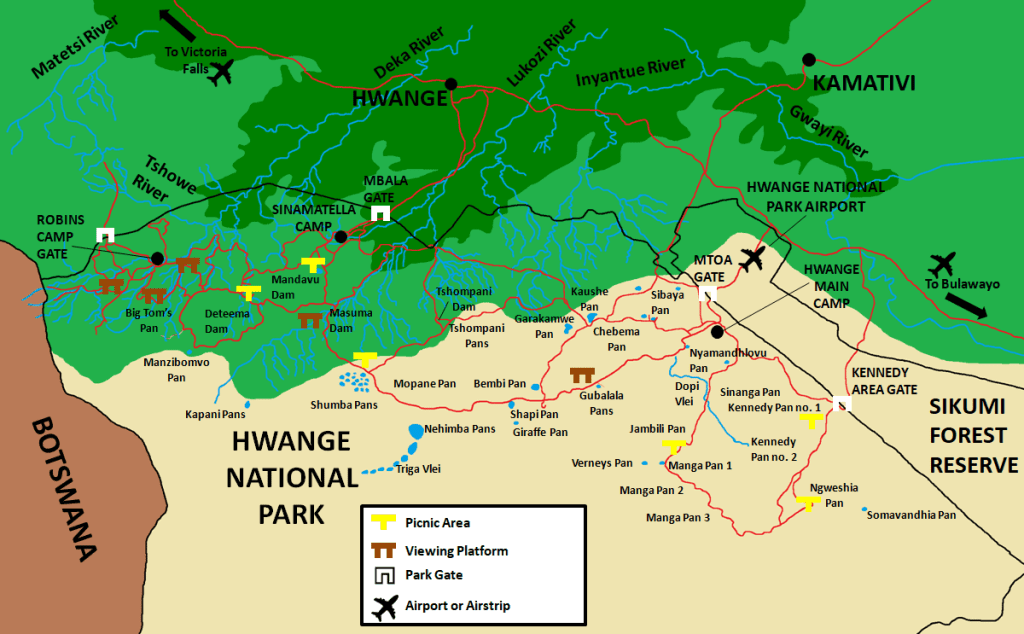
Most day trips depart from Victoria Falls and enter through Mbala Gate, close to the excellent Painted Dog Rehabilitation Center. The 2.5‑hour drive from Victoria Falls is easy, and tours typically include a morning game drive, lunch at a picnic site, and an afternoon drive before returning to your hotel.
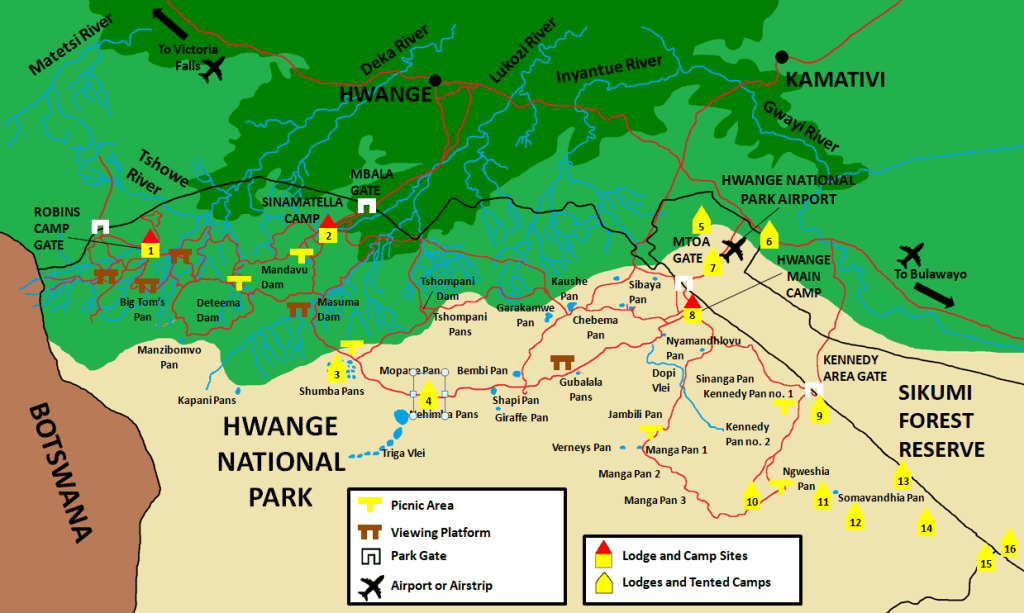
Travelers on multi‑day safaris or staying at one of Hwange’s lodges are either picked up in Victoria Falls or flown into Hwange National Park Airport. The park has four main gates, with many camps and lodges clustered nearby. Major camps include Robins Camp, Sinamatella Camp, Hwange Main Camp, and the camps around Kennedy Gate. I cover recommended lodges and campgrounds in the Where to Stay section of this guide.
Recommended Hwange National Park Tours
Choosing the right tour operator is one of the most important parts of planning a trip to Hwange National Park. A great guide can turn a good safari into an unforgettable one, and the best guides are passionate about the park and eager to share it with visitors.
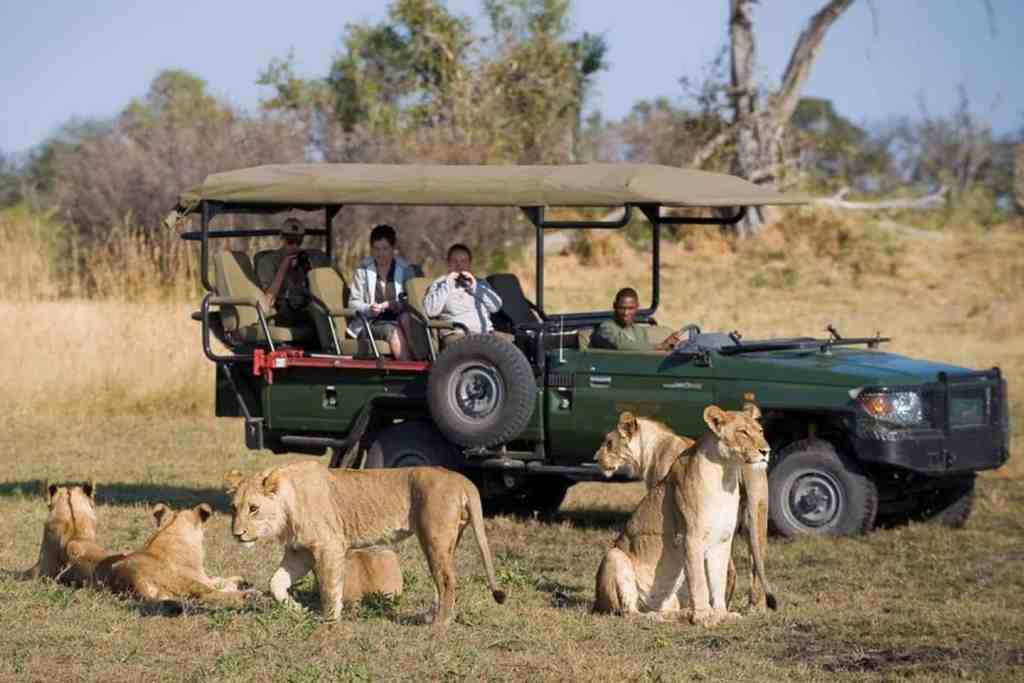
On our visit, we had an exceptional guide who handled everything—from the 2.5‑hour transfer from Victoria Falls to guiding us through the park all day. From pickup to drop‑off, the experience was seamless. For travelers starting in Victoria Falls, I’ve included contact details for our operator, Africa Beast Safaris, in the Hwange National Park safari guide below, along with links to several of their Hwange safari packages you may want to consider.
Africa Beast Safaris
If you are looking for a tour operator to use to see Hwange National Park in Zimbabwe and will be flying into the Victoria Falls area, I would highly recommend using Africa Beast Safaris. Simon from Africa Beast Safaris is super passionate about what he does and takes extraordinary care of his customers. We used Africa Beast Safaris for our Hwange National Park tour and were thrilled with the level of service.
Other Recommended Hwange National Park Tours
If you plan on doing a self-safari in Hwange National Park or plan to use the safari services of one of the many incredible lodges near the park, I have provided some of those options for you to consider below as well.
Whatever tour option you choose, make sure it fits the experience that you want to have at Hwange National Park because it is one of the most extraordinary places to go on safari in all of Africa, and you want to have an experience you’ll remember for a lifetime!
Single-Day Safari Tours (click to expand)
Multi-Day Safari Tours (click to expand)
Best Times to Visit Hwange National Park
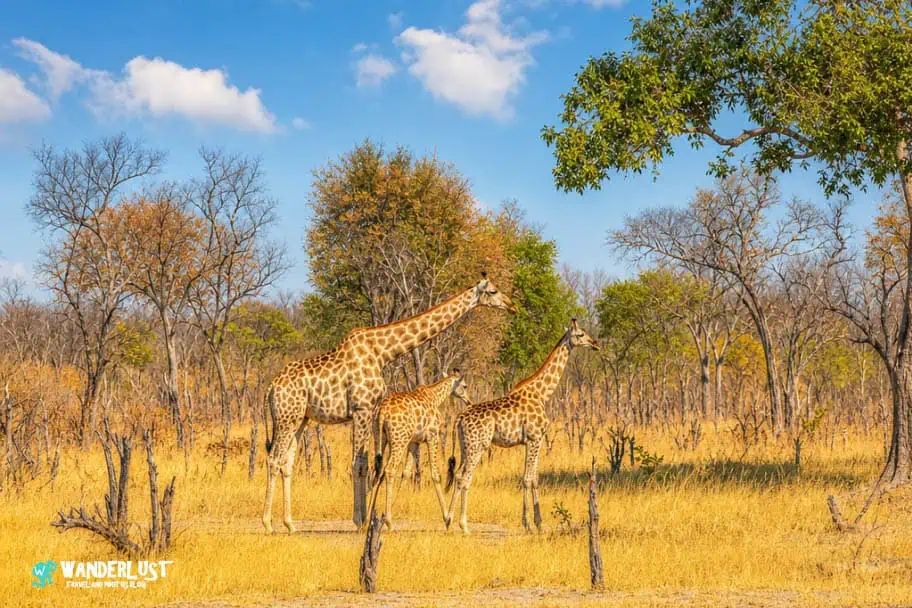
Hwange National Park is a rewarding destination year‑round, but some seasons offer better wildlife viewing than others. Temperature and rainfall greatly influence where animals gather and how easy they are to spot. In this section of my Hwange safari guide, I break down the park’s average temperatures and rainfall patterns so you can choose the best time to visit based on your priorities.
Average Temperature (℉) by Month
Many travelers imagine Zimbabwe as uniformly hot, but Hwange can be surprisingly cool—especially overnight and in the early mornings. While midday heat is common from September to November, temperatures during the winter months (June–August) often drop into the 40s, which can feel very cold in open vehicles on early game drives. To help you know what to expect throughout the year, I’ve included a temperature chart in my Hwange National Park safari guide below.
Average Precipitation (Inches) by Month
Another important factor when planning your Hwange safari is the park’s seasonal rainfall. Heavy rains can make roads difficult or impassable, and precipitation also affects how easy it is to spot wildlife. During the dry winter months (June–August), vegetation thins and water becomes scarce, drawing animals to permanent or man‑made waterholes. With less brush, spotting wildlife—especially elusive species like leopards—is much easier.
In the wet summer months (December–February) and into spring, water is abundant, and animals spread out across the park. The landscape turns lush and green, but dense vegetation makes wildlife—particularly shy predators—harder to see.
Best Months to Visit Hwange National Park
If you are starting to plan your Hwange National Park safari and would like to know which months are best for visiting the park, I have put together a chart below that outlines which months I think are the best for visiting Hwange. I have also detailed some of the pros and cons of visiting Hwange National Park during both the dry and wet seasons to assist you in determining which time of year would be best for your visit.
| JAN | FEB | MAR | APR | MAY | JUN | JUL | AUG | SEP | OCT | NOV | DEC |
 |
= Excellent |  |
= Good |  |
= Fair |  |
= Poor | ||||
Dry Season (April to October)
Positives
- Malaria risk is at a minimum.
- It is generally not as hot (except for October).
- There is typically very little rain.
- Wildlife is easier to spot because vegetation isn’t as thick, and wildlife congregates near permanent water sources.
NEGATIVES
- The main camp can be very crowded.
- Because it is very dry, it can be very dusty inside the park.
- The early morning game drives in the open safari vehicles can be chilly.
Wet Season (November to March)
positives
- It is the birthing season, so baby animals are prevalent in the park.
- The migratory birds arrive, so it is a great time of year for bird watchers.
- The camps are less crowded, and rates are typically lower at camps and lodges.
- The scenery is lush and green, which can be very picturesque.
negatives
- Because of the rain, some park roads will be difficult to drive on or impassable.
- It can be very hot, especially at midday.
- Camps and lodges may be closed from January to March.
- Because of the lush vegetation and abundance of water, wildlife is more dispersed and harder to spot.
Where to Stay in Hwange National Park
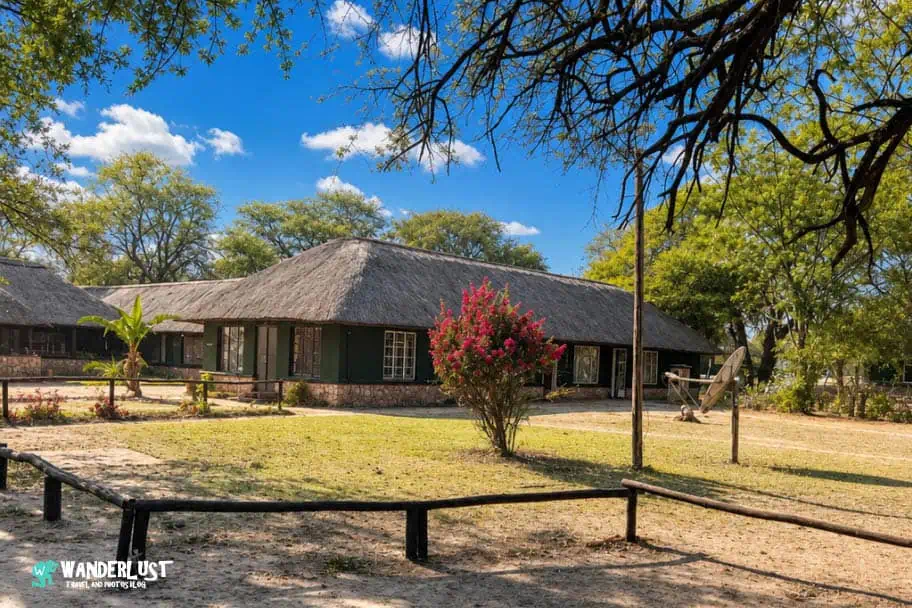
If you don’t want to book a full tour for your Hwange National Park safari, you can save money by arranging your own transportation and booking your lodging or campsite separately. Many lodges offer guided game drives, but if yours doesn’t, you’ll need to self‑drive to explore the park. For travelers planning a Hwange National Park safari without a tour package, this section includes key details on self‑drive options along with recommended campsites and lodges to help you plan your visit.
Recommended Hwange Camps and Lodges
Hwange National Park is the largest national park in Zimbabwe and one of the largest national parks in Africa. There are many wonderful lodges and camps throughout the park, with most of the popular ones concentrated near the Robins Camp, the main Mbala Gate, the Mtoa Gate, and the Kennedy Camp.
If you are choosing to book your own accommodations for your Hwange National Park safari adventure, I have included some of my recommendations for you to review below. These recommendations include campsites, lodges, and places with a mixture of both. I have also included some of my top picks for campsites and lodges at different price points so that you can choose the accommodations that are right for you and for your budget.


Tips and Guidelines for Self-Drive Safaris in Hwange
Doing a self-drive Hwange National Park safari has its advantages, as you can go at your own pace and be on your own schedule, but it does require quite a bit of preparation and planning. If you are planning on doing a self-drive safari in Hwange National Park, there are several things that you should be aware of and prepare for before your trip. To assist you with this preparation, I have included some tips and guidelines for you to review below.
- Stay on marked roads — Park rules require staying on designated roads; off‑road driving is not allowed.
- Visit in the dry season — Roads are far less likely to flood.
- Use a proper 4×4 — High‑clearance vehicles handle Hwange’s rough sections far more safely.
- Lower tire pressure on sand — Reducing pressure improves traction; re‑inflate before returning to paved roads.
- Carry a satellite phone — Essential for emergencies in remote areas.
- Pack supplies — Bring plenty of food, water, and extra fuel.
- Use Tracks4Africa — This app is the recommended navigation tool for Zimbabwe safaris.
- Have park fees ready — Check current international visitor rates on the Zimbabwe Tourism website.
- Return before dark — Allow enough time to reach your lodge or campsite well before sunset.
If you want these even tighter or styled differently, I can refine them further.
Wildlife You May See in Hwange National Park
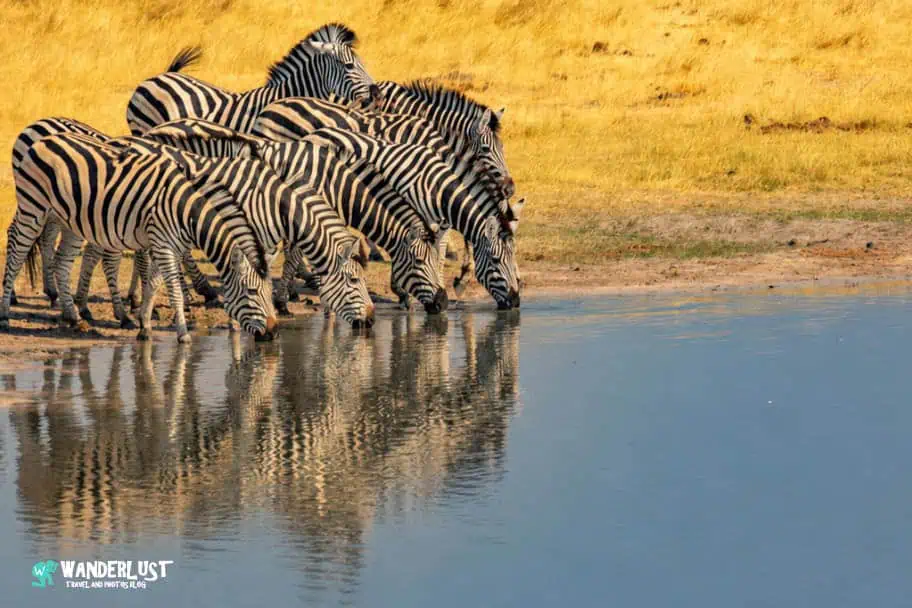
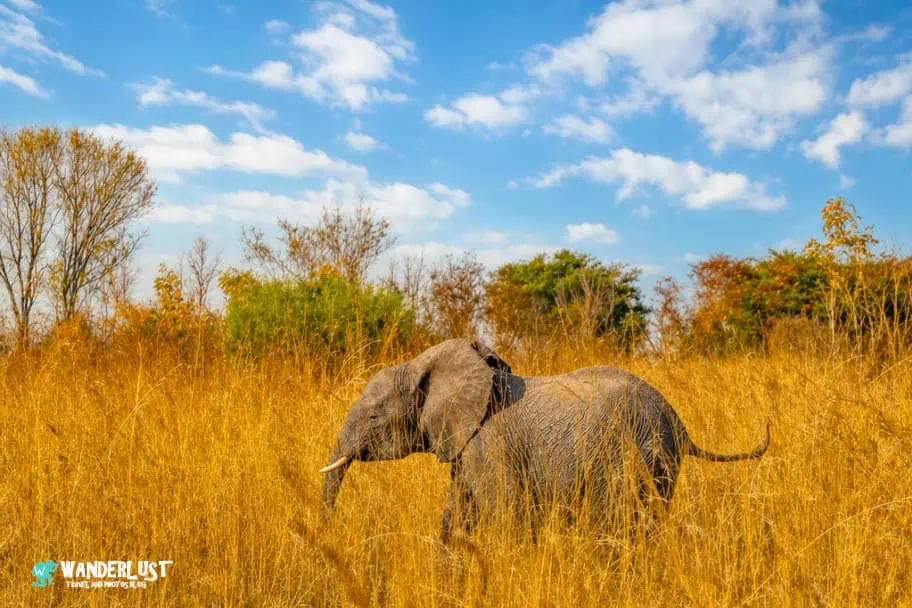
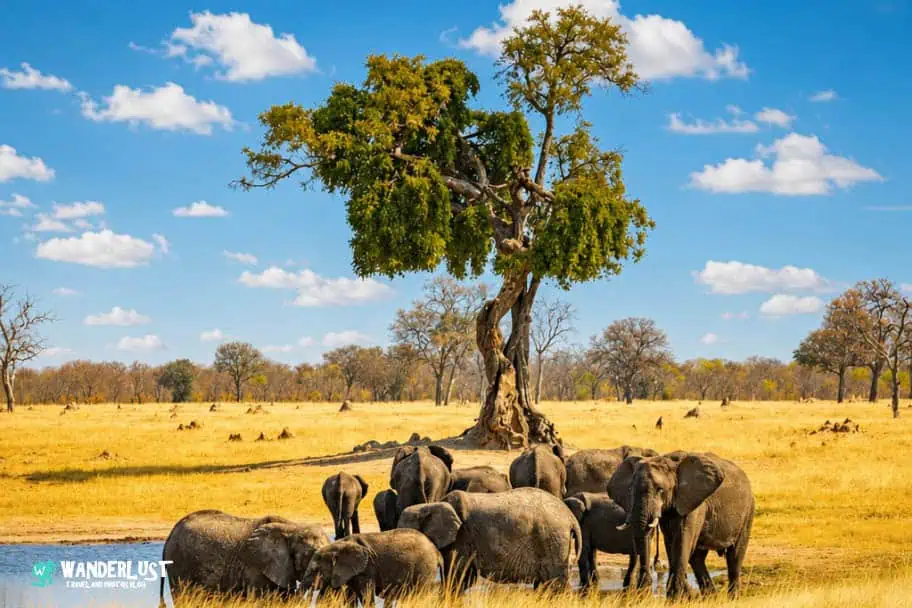
Hwange National Park has one of Africa’s highest concentrations of lions and elephants, and it remains a major stronghold for painted dogs—home to the Painted Dog Conservation Center. The park’s year‑round, pumped waterholes draw huge numbers of elephants and grazing animals during the dry season, and where grazers gather, predators are usually close by.
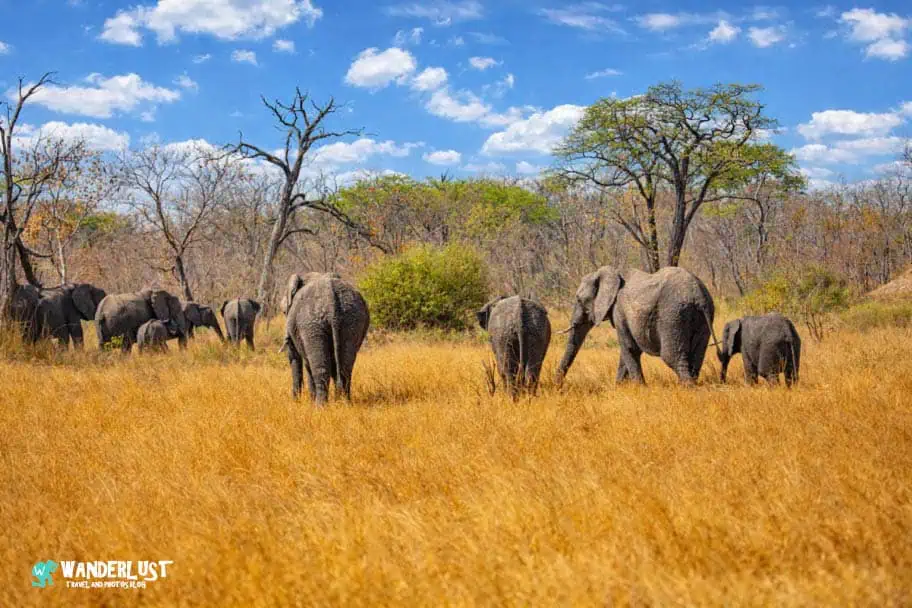
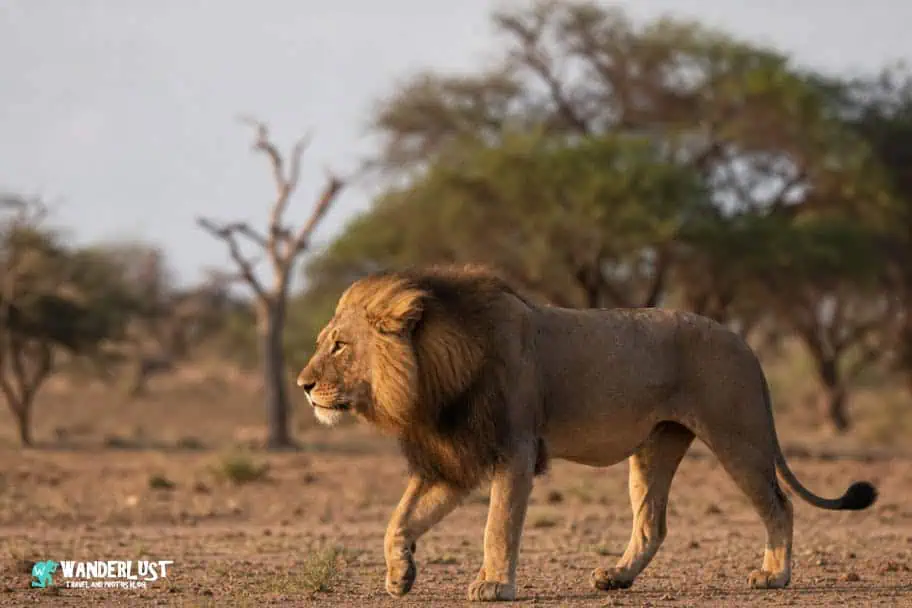
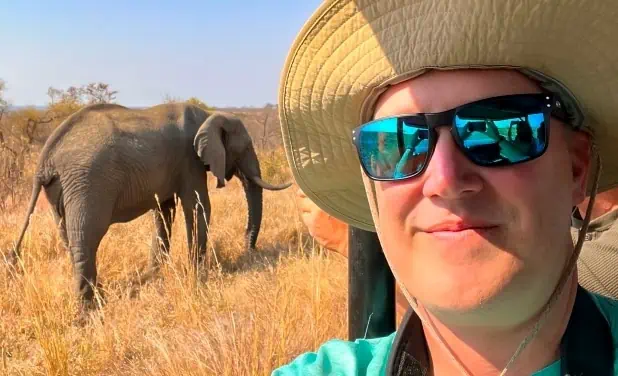
On my recent Hwange National Park safari, we saw massive elephant herds at multiple waterholes and several large male lions resting in the shade. Hwange is also rich in zebra and a wide variety of antelope species. For a quick look at which of Africa’s most iconic animals you can expect to see, refer to the wildlife graphic included in this Hwange National Park safari guide.
 |
 |
 |
 |
 |
 |
| Elephant Abundant |
Giraffe Common |
Hippo Common |
Buffalo Common |
Zebra Common |
Wildebeest Common |
 |
 |
 |
 |
 |
 |
 |
| White Rhino Rare |
Black Rhino Rare |
Lion Common |
Leopard Rare |
Cheetah Occasional |
Hyena Common |
Wild Dog Occasional |
Painted Dog Conservation Center
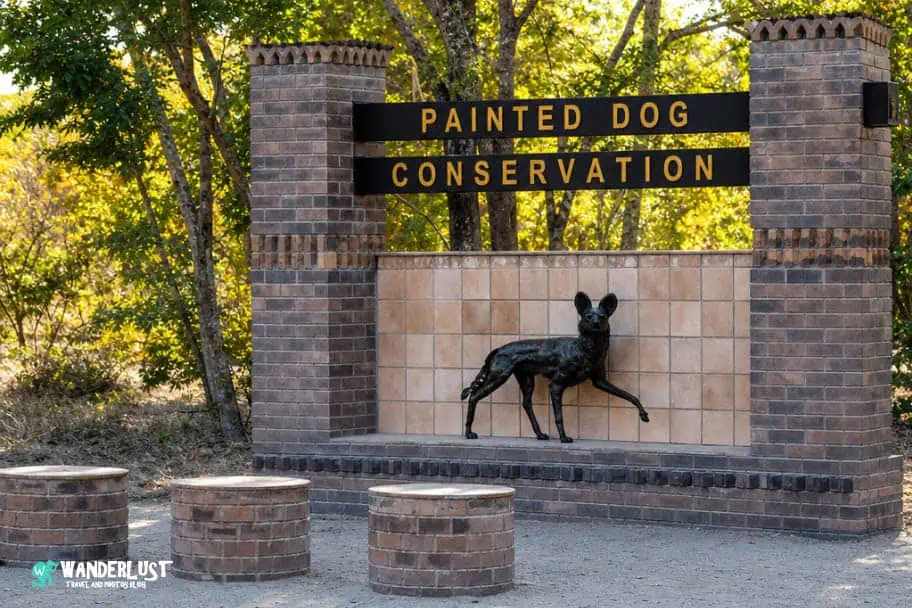
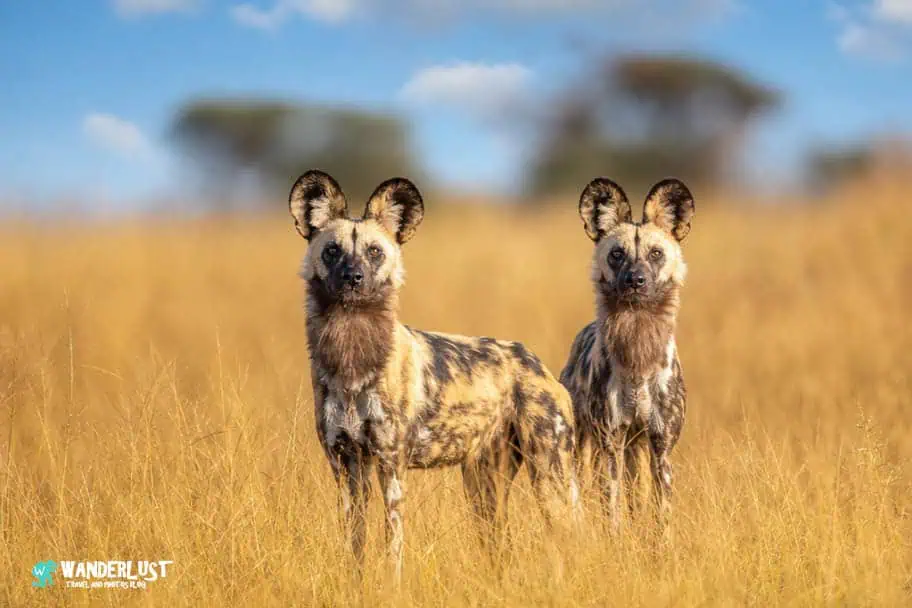
Hwange National Park is home to many animals found across Africa, but one species makes it especially unique: the African painted dog, now increasingly difficult to see in the wild. Hwange remains one of the species’ strongest strongholds.
The park is also home to the renowned Painted Dog Conservation Center, which rescues injured dogs, rehabilitates them, and releases them back into the wild—an effort that has significantly strengthened the local population. If you’d like to visit, the center sits just outside Mbala Gate. You can often see painted dogs in the rehabilitation pens, and the center offers educational programs about this remarkable species.
Hwange National Park Safari Tips
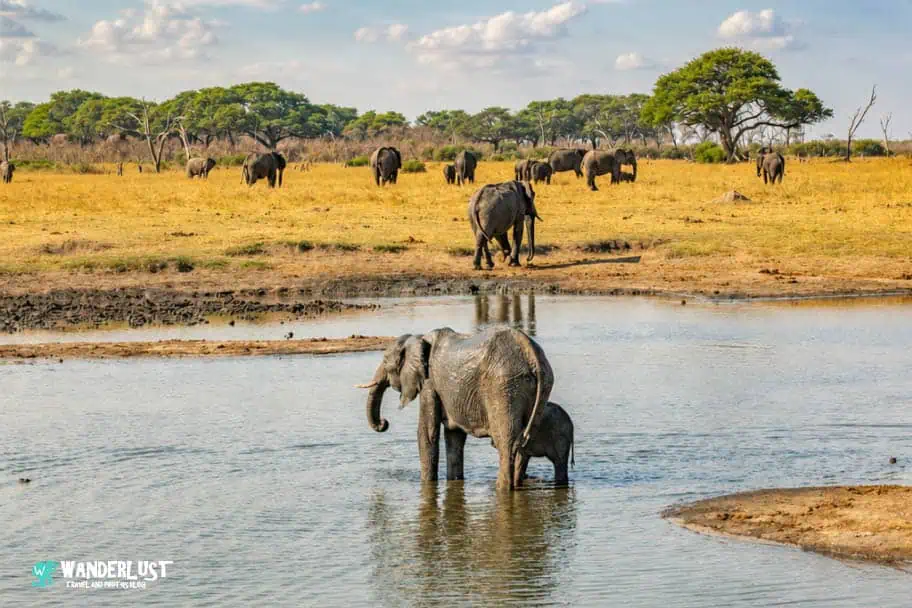
When you are on safari, especially while on a safari in Hwange National Park, where you have an opportunity to see animals from land and the water, it is easy to get lost in the experience. Being on safari is such an amazing experience, and you should enjoy every single second of it. However, if you aren’t careful, you might not get everything out of the experience that you could have.
To make sure that you get everything out of your Hwange National Park safari that you possibly can, I have provided some general safari tips below for you to review.
Be Patient and Open-Minded
When you are on safari, everything isn’t going to go according to plan. The weather, the animal’s behavior, and other factors are going to impact where you go and what you see. Hwange National Park provides some of the best wildlife viewing opportunities in Africa, but even in Hwange, you have to be ready to adjust your plans if necessary.
Safety First
It is really easy to get caught up in the safari experience and want to get the best pictures you possibly can. However, safety should always be the primary concern. To give you some help on how to remain safe while on safari in the Hwange National Park, I have outlined some general safety tips for you to review later in this guide.
Don’t Get Stuck Behind Your Camera
Everyone wants to get great pictures while on safari, and you should absolutely bring your camera and take a lot of pictures. However, if you spend your entire time in Hwange National Park looking through your camera, you are going to miss out on some of the experience. I would recommend setting your camera down every once in a while and just enjoying being in such an amazing place.
Ask Lots of Questions
Make sure you ask your safari guide a lot of questions while you are on safari in Hwange National Park. It is easy to get caught up in the moment and forget to ask which type of animal you are looking at or why they are doing what they are doing, but your safari guide is there to answer these questions for you. And believe me, they enjoy answering these questions. Don’t get home and regret not asking those questions.
Give Yourself Plenty of Time
Hwange National Park is a very large park with very distinct and unique environments. There is no way that you are going to be able to explore the entire park within a day, so if you want to see more of the park, you should plan to spend multiple days on safari in Hwange.
Hwange National Park Safari Safety Tips

Being on Safari in Hwange National Park can be an amazing and exciting experience, but it can also be a very dangerous experience if you don’t follow the proper safety rules. To ensure that your safari experience is a memorable and safe one, I have outlined some general safari safety rules for you to review below.
Obey Your Safari Guides at All Times
The most important safari safety tip of all is to listen to your safari guide and obey them at all times. They are there to keep you safe, so let them.
Don’t Stick Anything Outside of the Safari Vehicle
It is never a good idea to stick anything outside of a safari vehicle. Whether this be your arms, your feet, or your camera as you try to get a great picture, keep them inside the vehicle at all times.
Don’t Make Any Quick or Sudden Movements
When you are in the safari vehicle, the animals tend to think of the vehicle and everything associated with it as one homogeneous entity. However, if you make sudden and frantic movements or do something else to make you stick out as a part of the vehicle, you may become an object of interest to them.
Never Get Out of the Safari Vehicle
This point cannot be stressed strongly enough. Never, and I mean never, get out of your safari vehicle unless your safari guide explicitly instructs that it is safe.
Never Leave Your Tent or Lodge Room at Night
This is another point that I cannot emphasize strongly enough. You should never leave your tent or lodge room at night without a chaperone. The African bush can be a dangerous place, especially at night, so make sure you follow whichever procedures your safari guide gives you for getting assistance at night. If they don’t mention this, make sure you ask ahead of time.
Walk, Never Run When Confronted by an Animal
If you do find yourself outside of your vehicle and confronted by an animal (hopefully this never happens), then make sure that you stay as calm as possible, walk away slowly (never turning your back on the animal), and NEVER, EVER run away.
Never Swim in Lakes or Rivers
Unless you are explicitly told by your safari guide that the waters are free of hippos and crocodiles, you should never attempt to swim in a lake, river, or pond. Even then, I would think twice about doing it. Hippos kill more people in Africa than any other animal, and crocodiles are not far behind on the list, so you always have to be safe when approaching bodies of water.
Hwange National Park Photo Gallery
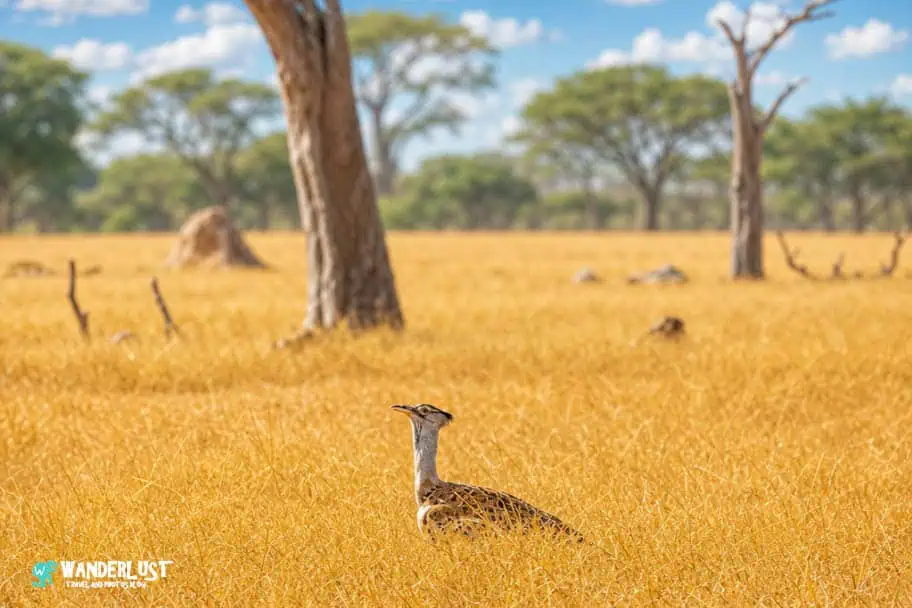
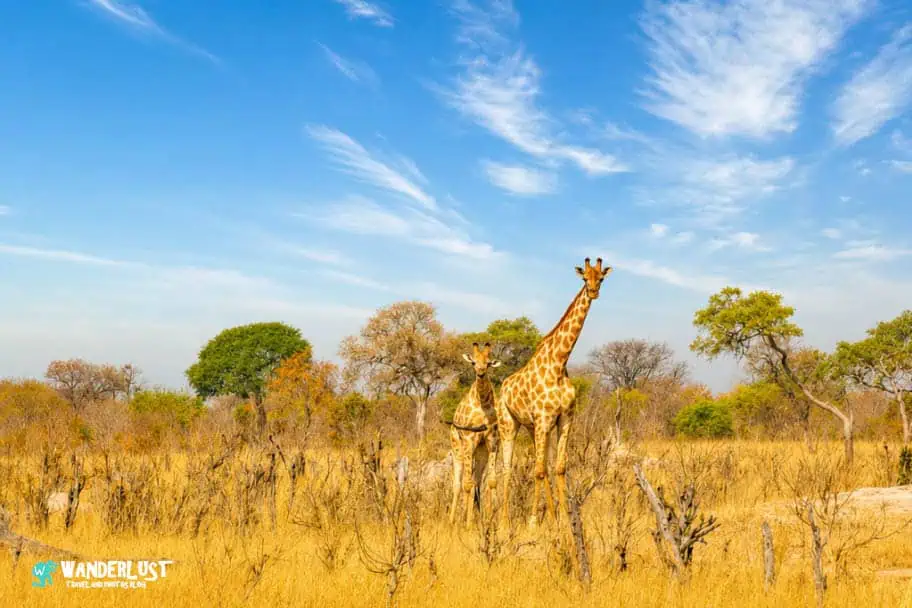
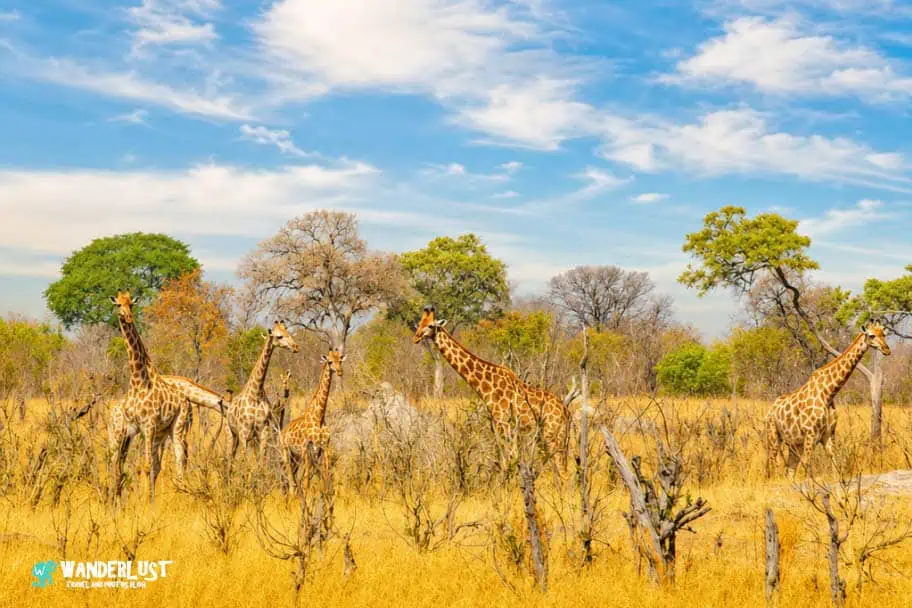
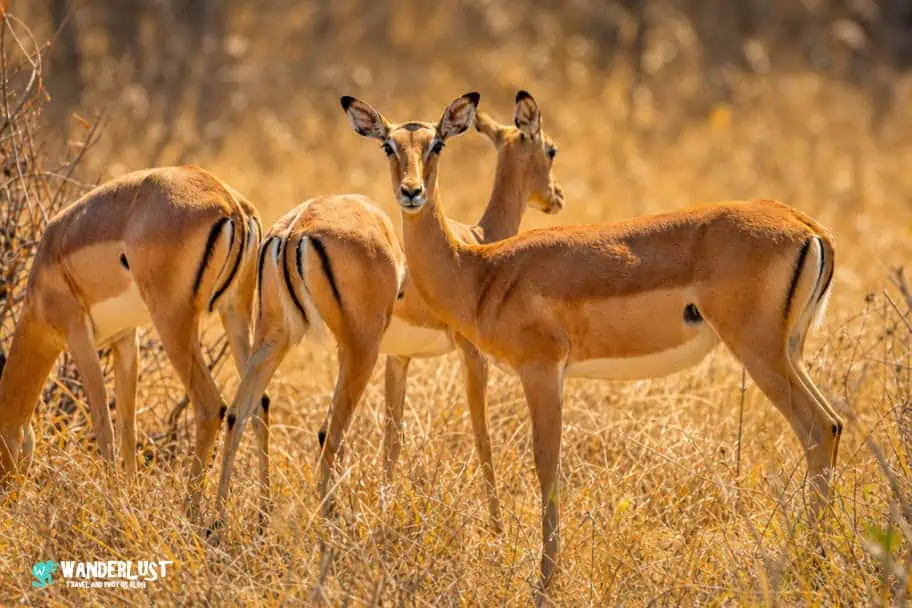
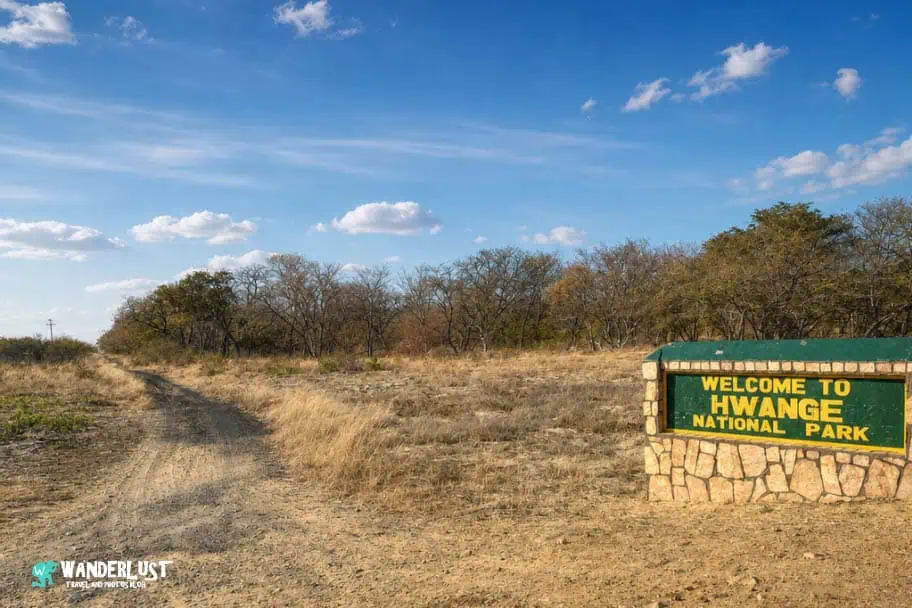
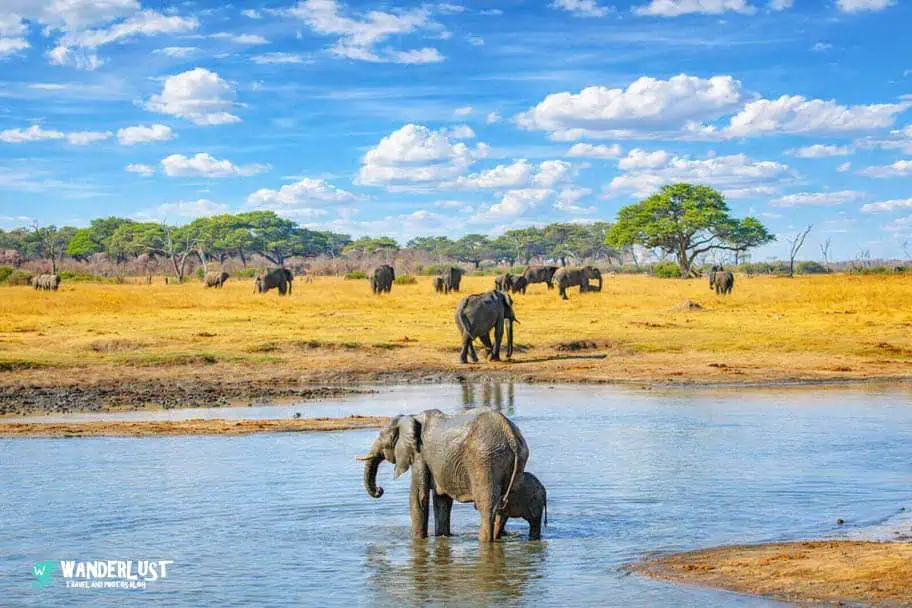
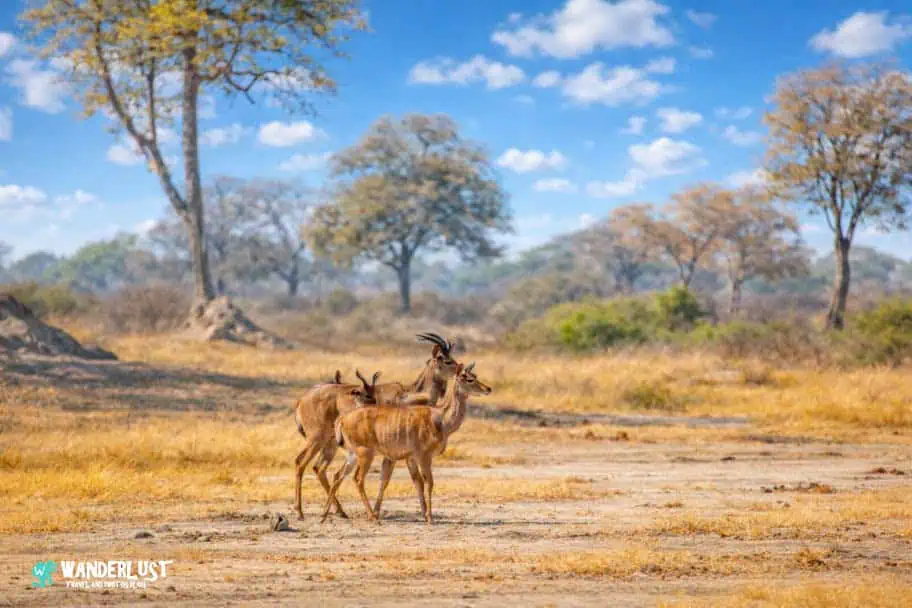
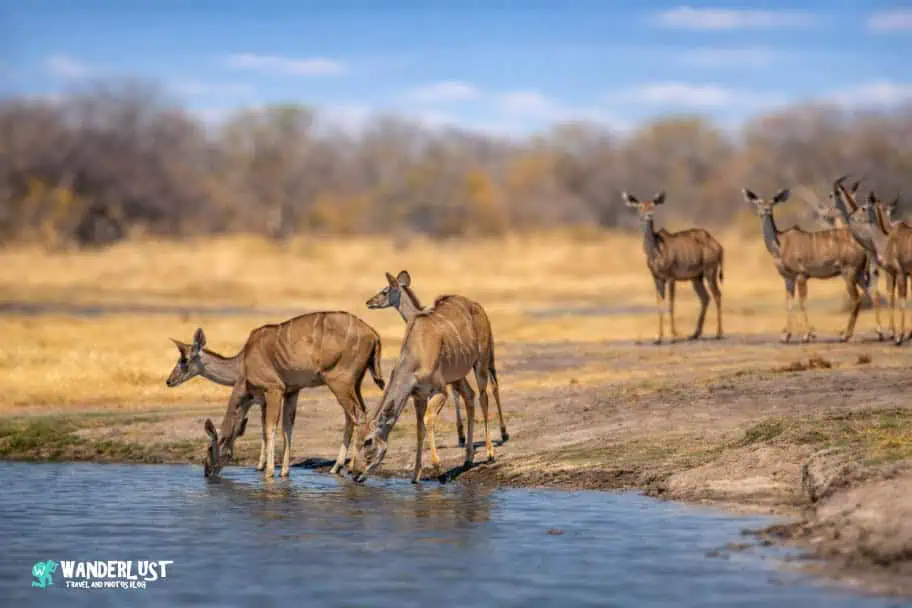
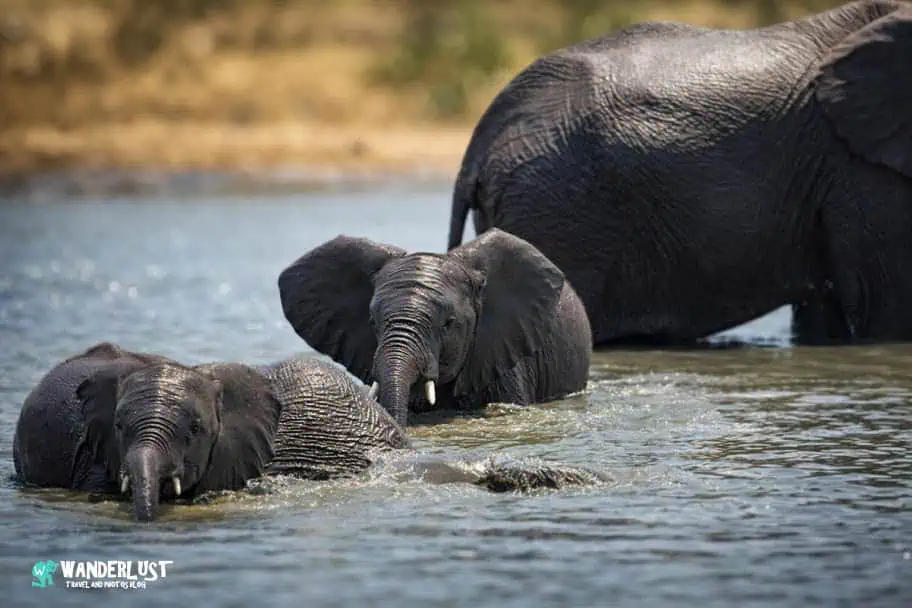
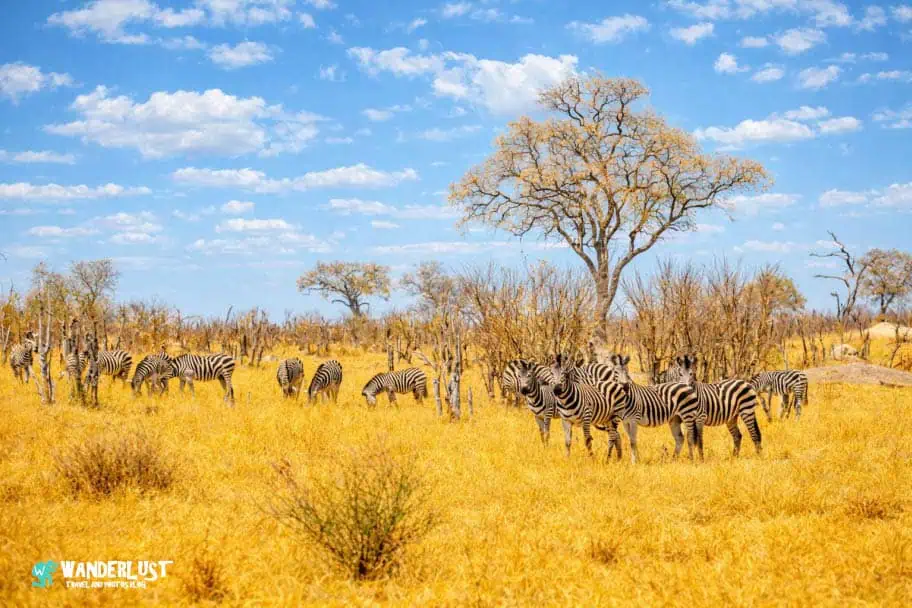
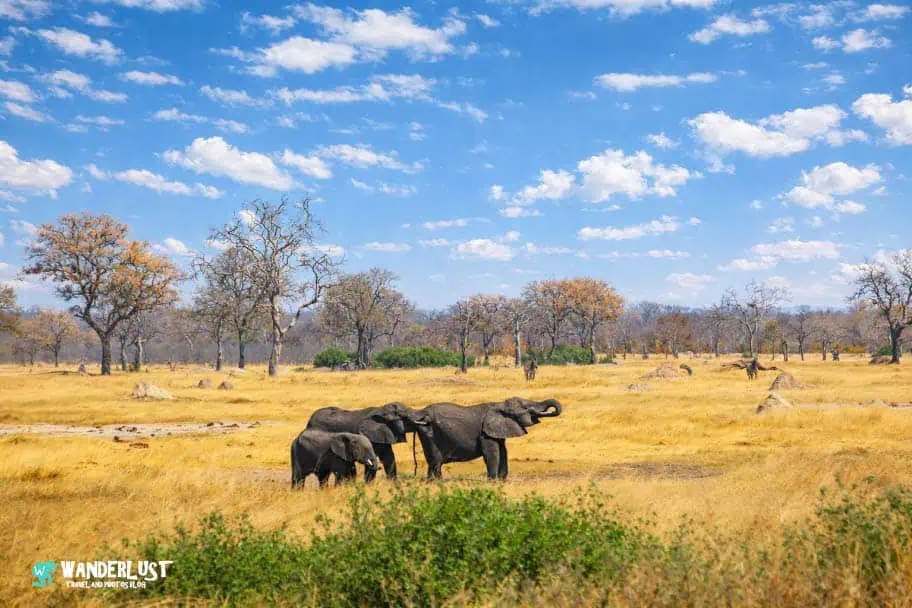
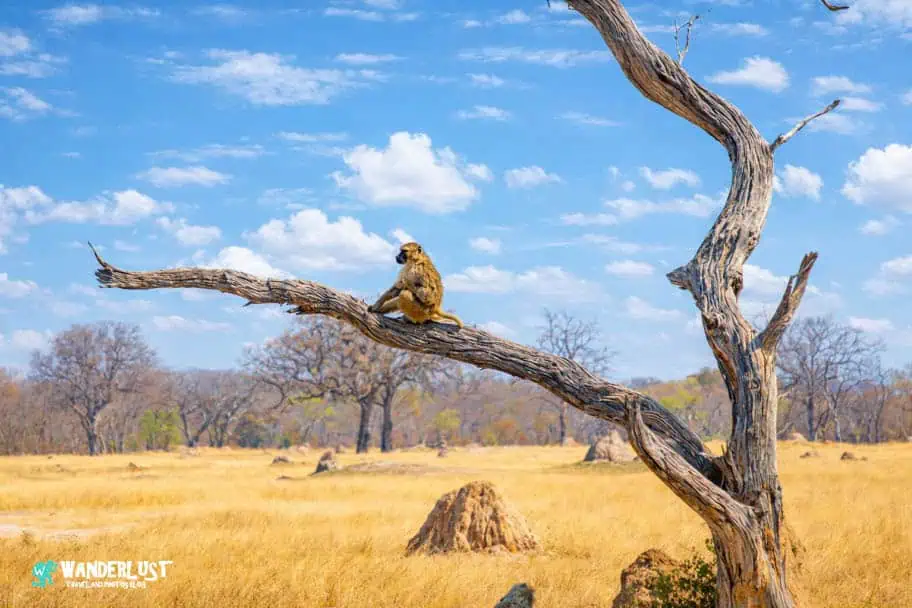
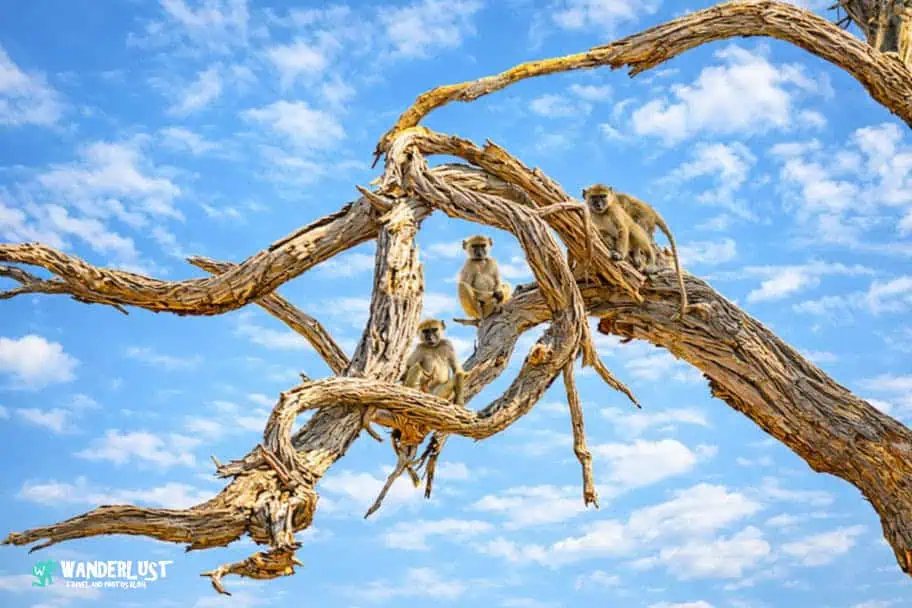
The country of Zimbabwe has an incredible wealth of wildlife and some of the most breathtaking landscapes in all of Africa. I absolutely cherished my Hwange National Park safari, and I want to share some of my top photographs from that visit with you. I hope you enjoy these images and that they inspire you to book your own adventure in Hwange National Park!
If you would like to view some more of my top Hwange National Park safari photos, as well as photos from some of my many other travel adventures, make sure you are following me on Instagram as well!
FOLLOW ME!









Don’t Forget to Subscribe to My Adventures!

Let Me Help You Save On Your Next Adventure!
‘Start Exploring Today’ Merchandise Available Now!
 |
 |
 |
 |
 |
 |
 |


















A great guide born of a great trip!
Thank you so very much!!! Means a ton coming from such a great writer like you!
Thanks, Josh!
Hello Josh,
Great article, love all the info you have provided!! Thanks for sharing.
We completely agree that Hwange is one of the most beautiful places to immerse yourself in African bush.
We partner with The Hide as one of our destinations partners and so glad that you mentioned them in your Blog 🙂
Thanks so much for sharing your adventures with everyone.
Please get in touch if you need any images for your future blogs or if you need any other info.
Cheers
Team PSC
www.photosafaricompany.com
Thanks so much for the kind words Nick!!