This Theodore Roosevelt National Park guide post contains my Hotels.com, Expedia, Vrbo, and Viator affiliate links. I may receive a commission when you book a hotel or tour from this article, though at no additional cost to you. I hand-pick and recommend only the hotels and tours that I have thoroughly researched and feel comfortable recommending.
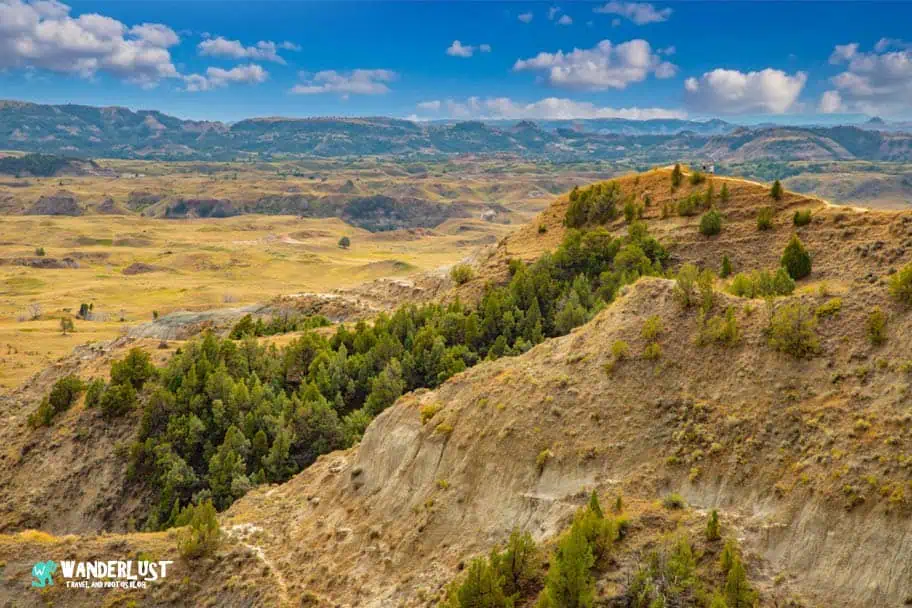
Set in the rugged heart of western North Dakota, this Theodore Roosevelt National Park guide introduces a landscape shaped by wind, time, and the conservation legacy of its namesake. Striped buttes rise above quiet prairies, the Little Missouri River winds through wide canyons, and wildlife roams freely across one of the most scenic stretches of the Badlands. It’s a place where solitude feels expansive, and the horizon seems endless.
Across its South Unit, North Unit, and Elkhorn Ranch Unit, the park blends wild beauty with deep history. Bison graze in open grasslands, wild horses wander the ridgelines, and prairie dog towns chatter with nonstop energy. Scenic drives reveal sweeping overlooks, while trails like Wind Canyon and Buckhorn Trail offer intimate views of the Badlands’ layered formations. Whether you’re here for photography, hiking, wildlife viewing, or quiet reflection, the park delivers a timeless sense of place.
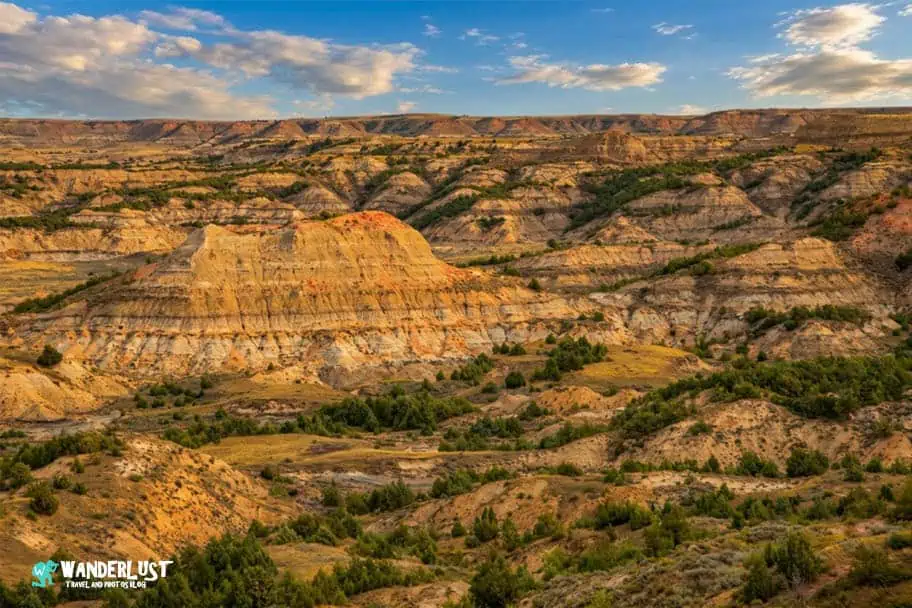
In this guide, you’ll find everything you need to plan a seamless North Dakota Badlands road trip, including how to get to the park, the top things to see and do, the best times of year to visit, and where to stay in and around Medora. You’ll also get practical Badlands travel tips to help you navigate scenic drives, hiking trails, wildlife encounters, and photo‑worthy overlooks with confidence.
Theodore Roosevelt National Park Guide Navigation Menu


How to Get to Theodore Roosevelt National Park
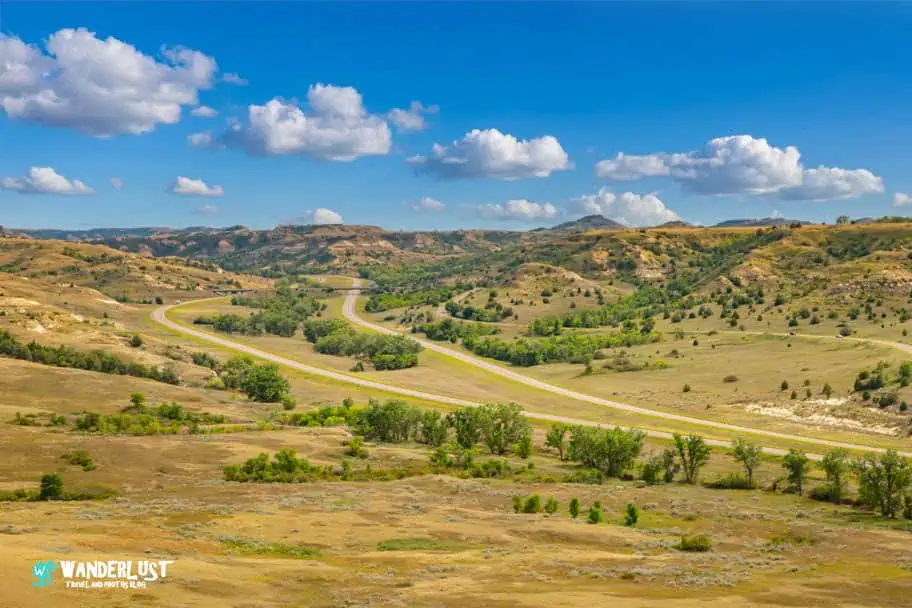
Located in the rugged western corner of North Dakota, this Theodore Roosevelt National Park guide begins in a landscape shaped by striped buttes, wide‑open prairie, and the winding Little Missouri River. The park sits near the small gateway town of Medora, with larger regional cities like Dickinson and Bismarck anchoring the surrounding area. Its three units—the South Unit, North Unit, and Elkhorn Ranch—are spread across the Badlands, giving visitors a mix of scenic overlooks, wildlife viewing, and quiet, historic terrain.
Getting to the park is straightforward whether you’re flying or driving. The closest airport is Dickinson Theodore Roosevelt Regional Airport (DIK), just a short drive from Medora and ideal for quick regional access. For travelers arriving from farther away, Bismarck Airport (BIS) is the nearest major airport with broader flight options and rental car availability. From either airport, U.S. Highway 94 provides an easy route into the South Unit, while the North Unit is reached via U.S. Highway 85.
Below, I’ve included a table outlining driving distances from nearby cities and major airports, along with distances from other parks and attractions near Theodore Roosevelt National Park. This makes planning your route even easier as you map out your Badlands adventure.
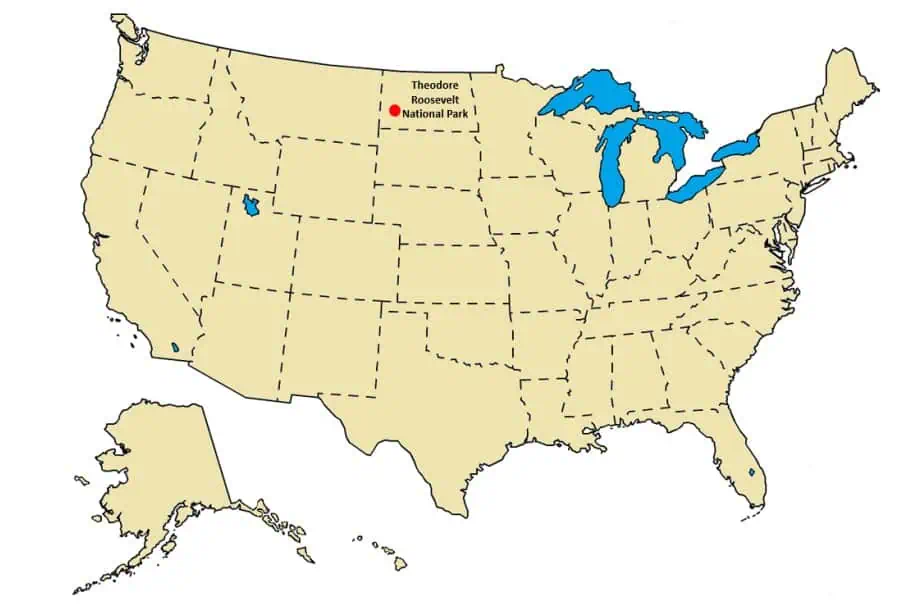
To understand where Theodore Roosevelt National Park is located relative to other large cities and attractions in the region, please refer to the map and driving chart included in this Theodore Roosevelt National Park guide below.
Driving Distance from Other Area Attractions
| City\Park | Distance | Drive Time | Notes |
|---|---|---|---|
| Dickinson, ND | 36 miles | 0hrs 35min | Closest airport (DIK). Small regional airport with United service; easiest gateway to Medora. |
| Little Missouri State Park (ND) | 70 miles | 1hrs 15min | Rugged Badlands terrain with excellent horseback riding trails. |
| Makoshika State Park (MT) | 70 miles | 1hr | Montana’s largest state park; dramatic Badlands formations and fossils. |
| Bismarck, ND | 135 miles | 2hrs | Nearest large airport (BIS). Good flight availability; state capital with full services. |
| Lake Sakakawea State Park | 140 miles | 2hrs 15min | Huge reservoir with boating, fishing, and scenic shoreline. |
| Devils Tower National Monument | 180 miles | 3hrs | Towering volcanic formation; America’s first national monument. |
| Badlands National Park | 220 miles | 3hrs 30min | Iconic South Dakota Badlands with sharp spires and wildlife. |
| Custer State Park (SD) | 250 miles | 4hrs | Scenic drives, bison herds, granite spires, and Black Hills beauty. |
| Wind Cave National Park | 260 miles | 4hrs | One of the world’s longest caves; mixed‑grass prairie and bison. |
| Billings, MT | 280 miles | 4hrs 15min | Billings Logan International Airport (BIL). Major regional hub in Montana. |
| Pompeys Pillar NM | 300 miles | 4hrs 30min | Sandstone pillar with William Clark’s signature carved in 1806. |
Top Things to See and Do in Theodore Roosevelt National Park
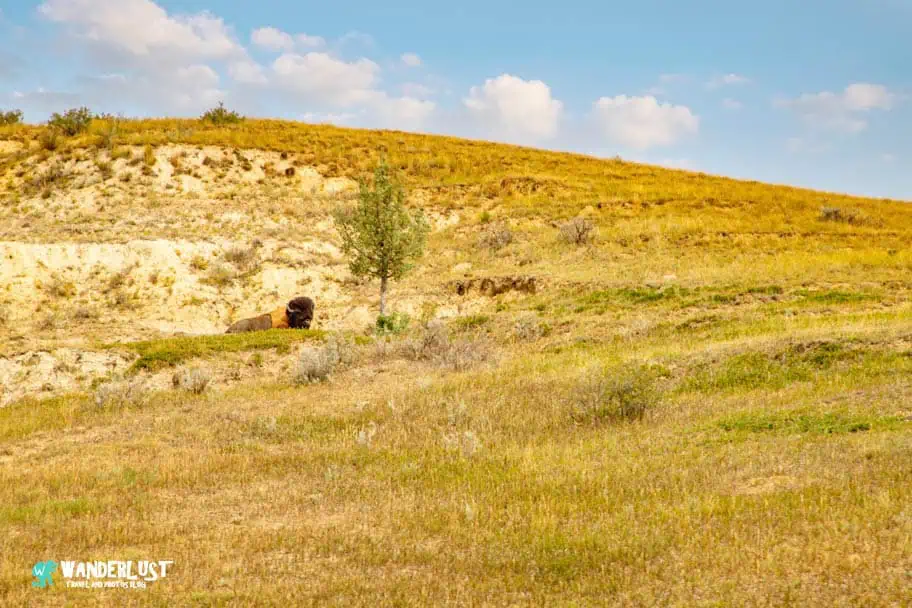
The rugged Badlands of western North Dakota offer a rich mix of scenery, wildlife, and history, and this Theodore Roosevelt National Park guide highlights the park’s most memorable experiences. From sweeping overlooks and canyon trails to ranch sites and prairie dog towns, the park rewards both slow exploration and spontaneous stops. Scenic drives, hikes, backcountry routes, and stargazing each reveal a different side of the landscape that shaped Roosevelt’s conservation legacy.
Scenic Loop Drive
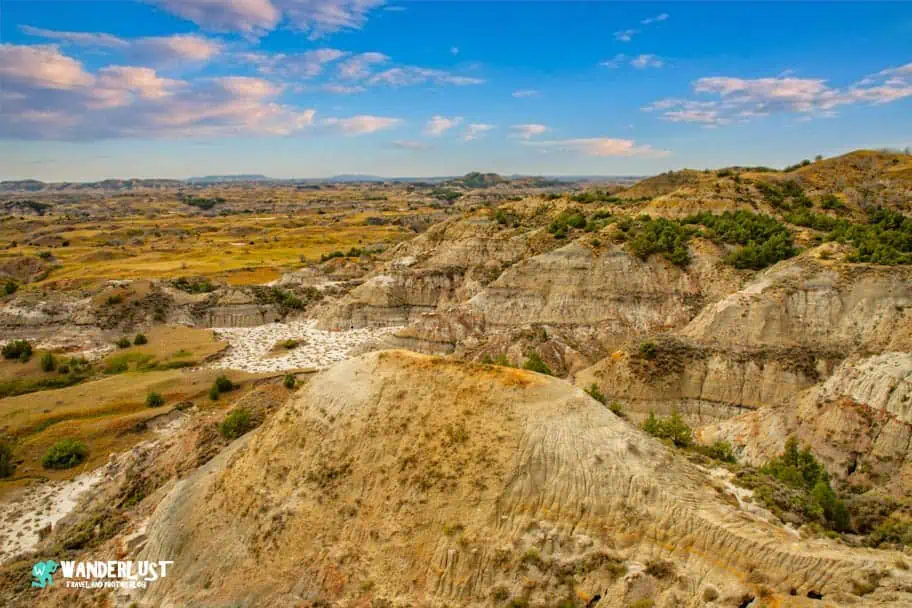
The Scenic Loop Drive offers a constantly changing panorama of striped buttes, open prairie, and winding river valleys. Frequent pullouts make it easy to stop for photos, wildlife sightings, or short walks. Morning and evening light add dramatic color to the formations, making the drive feel different every time.
This route is perfect for first‑time visitors who want a broad overview of the park without committing to long hikes. Bison often graze near the road, wild horses appear on distant ridges, and prairie dog towns add lively energy along the way. It’s one of the most accessible and rewarding ways to experience the Badlands.
Painted Canyon Overlook
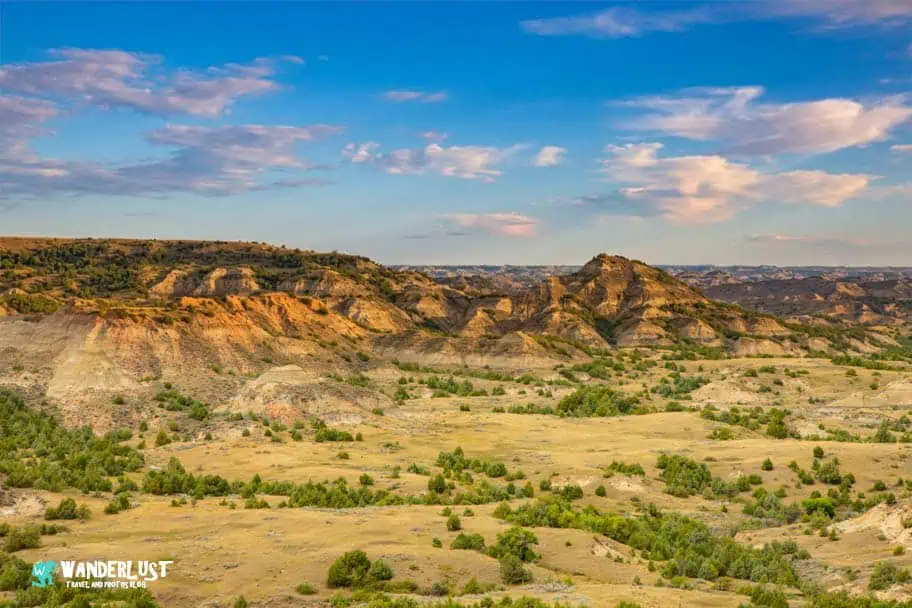
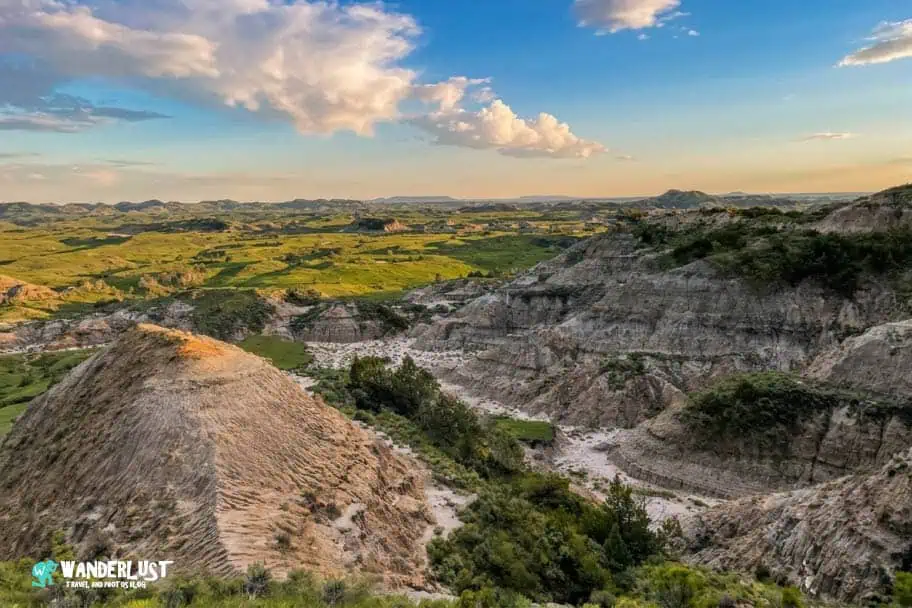
Painted Canyon Overlook delivers one of the park’s most dramatic views, with layered buttes stretching far into the distance. The canyon drops sharply below the viewing platform, revealing colorful sediment bands and rugged terrain shaped by centuries of erosion. Sunrise and sunset bring especially vivid tones.
A short rim trail lets visitors explore the overlook more deeply, and the nearby visitor center provides exhibits and restrooms. Because it sits directly off I‑94, it’s an easy stop for travelers and a perfect introduction to the Badlands’ geology before heading into the park’s interior.
Wind Canyon Trail
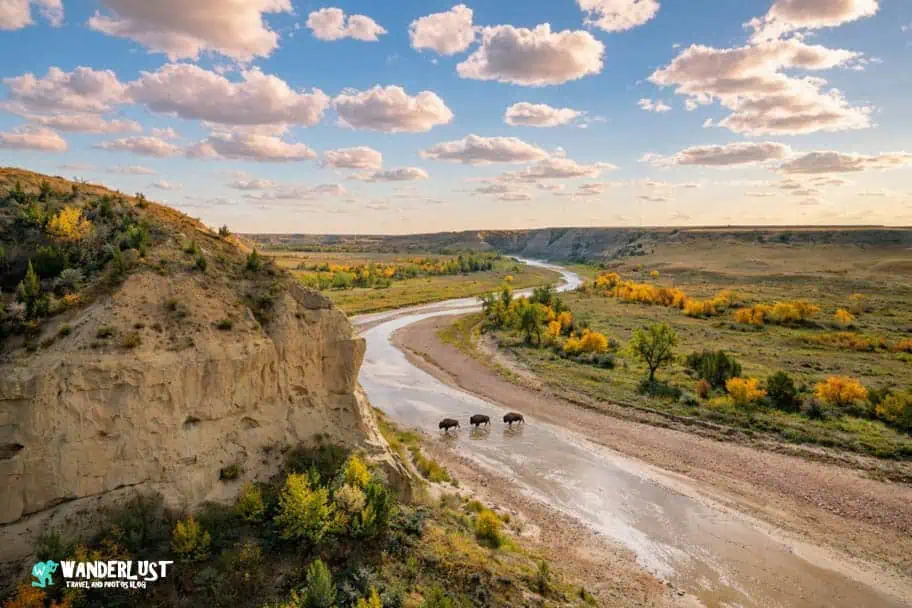
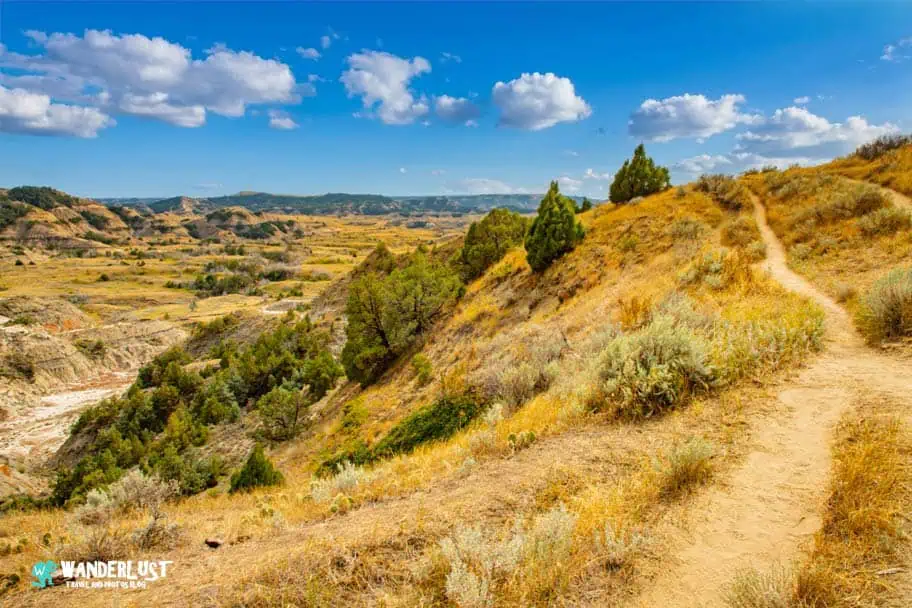
Wind Canyon Trail is a short, easy walk that leads to a cliffside view over a sweeping bend of the Little Missouri River. The wind often funnels through the canyon, creating rippling waves across the grasses and adding movement to the landscape. It’s a peaceful, scenic stop suitable for all ages.
The overlook is especially beautiful at sunset, when warm light washes over the ridges, and the river reflects soft pastel colors. The trail’s simplicity makes it a great addition to any itinerary, offering big views with minimal effort and a quiet place to take in the Badlands’ scale.
| Trail Stats | |
|---|---|
| Trail Type: | Loop |
| Distance: | 0.5 miles/0.8 kilometers |
| Elevation Gain: | 68 feet/21 meters |
| Time to Complete: | 0.5 to 1 hours |
| Difficulty Level: | Easy |
| Trail Map |
|---|
Buckhorn Trail
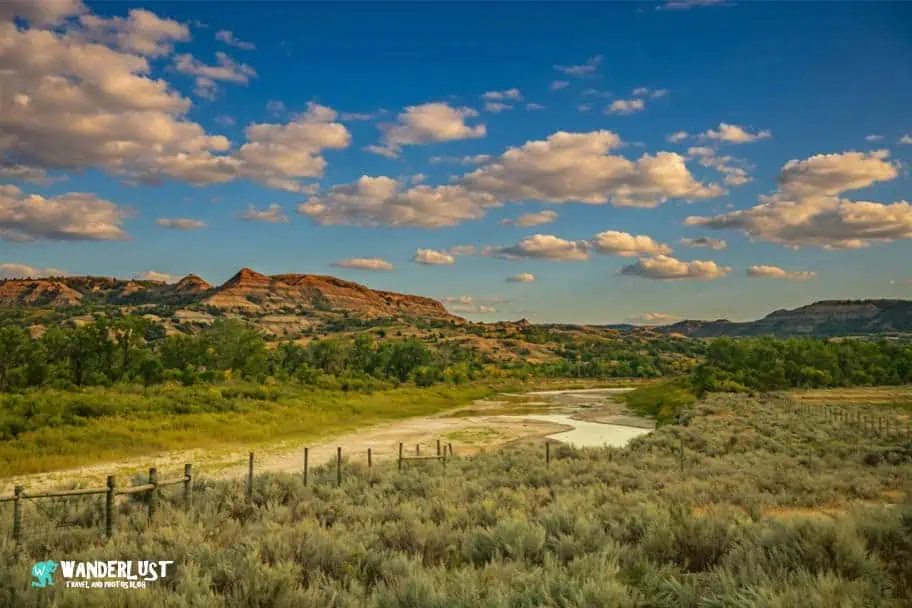
Buckhorn Trail in the North Unit offers a more rugged, remote experience. It winds through open prairie, steep Badlands formations, wooded draws, and quiet river valleys. The varied terrain gives hikers a strong sense of the park’s wild character and provides excellent opportunities for solitude.
Wildlife sightings are common along this route, including bison, deer, and raptors circling overhead. The wide‑open views make it ideal for photography, and the longer distance offers a deeper connection to the landscape. It’s a rewarding choice for visitors seeking a more immersive hike.
| Trail Stats | |
|---|---|
| Trail Type: | Loop |
| Distance: | 11.1 miles/17.9 kilometers |
| Elevation Gain: | 974 feet/297 meters |
| Time to Complete: | 4.5 to 5 hours |
| Difficulty Level: | Moderate |
| Trail Map |
|---|
Maltese Cross Cabin

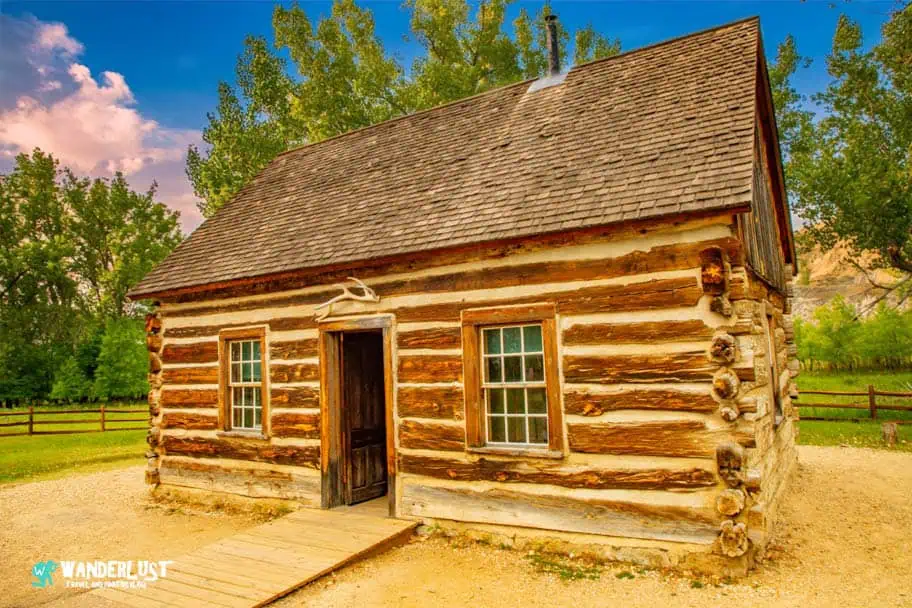
The Maltese Cross Cabin offers a meaningful look into Theodore Roosevelt’s early ranching life. Inside, visitors find original furnishings and interpretive displays that tell the story of Roosevelt’s time in the Badlands and how those experiences shaped his conservation values.
Standing in the cabin gives a sense of the isolation and hard work Roosevelt embraced here. It’s a small but powerful stop that connects visitors to the park’s historical roots and provides context for the landscapes that inspired Roosevelt’s lifelong commitment to protecting natural spaces.
Prairie Dog Towns
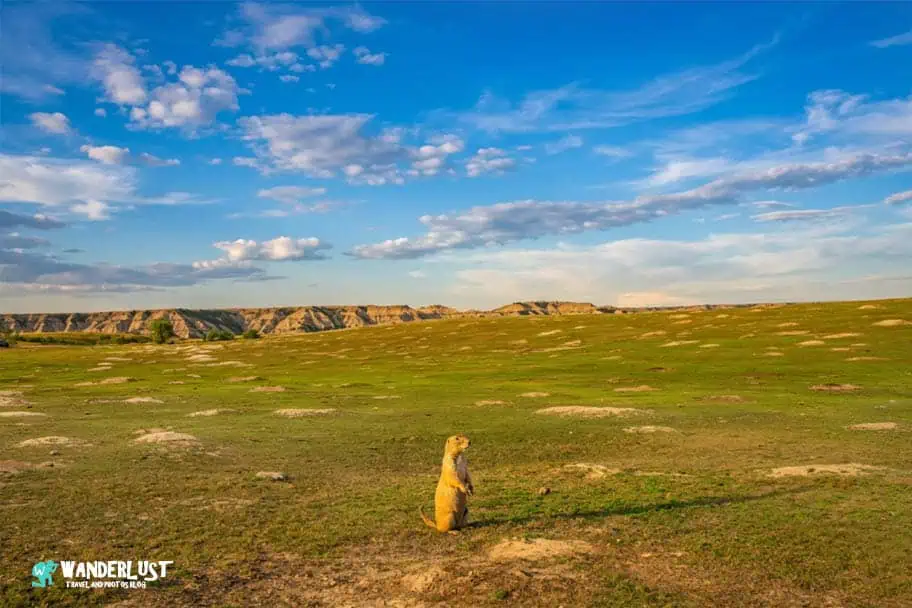
Prairie dog towns are lively, noisy, and endlessly entertaining. These social animals chirp warnings, pop in and out of burrows, and interact constantly across the mounded landscape. Their colonies add movement and personality to the prairie and are easy to spot throughout the park.
These towns also attract predators and raptors, making them excellent places for broader wildlife viewing. Visitors of all ages tend to linger longer than expected, captivated by the nonstop activity. They’re simple, fun stops that showcase the Badlands’ ecological diversity.
Wildlife Viewing
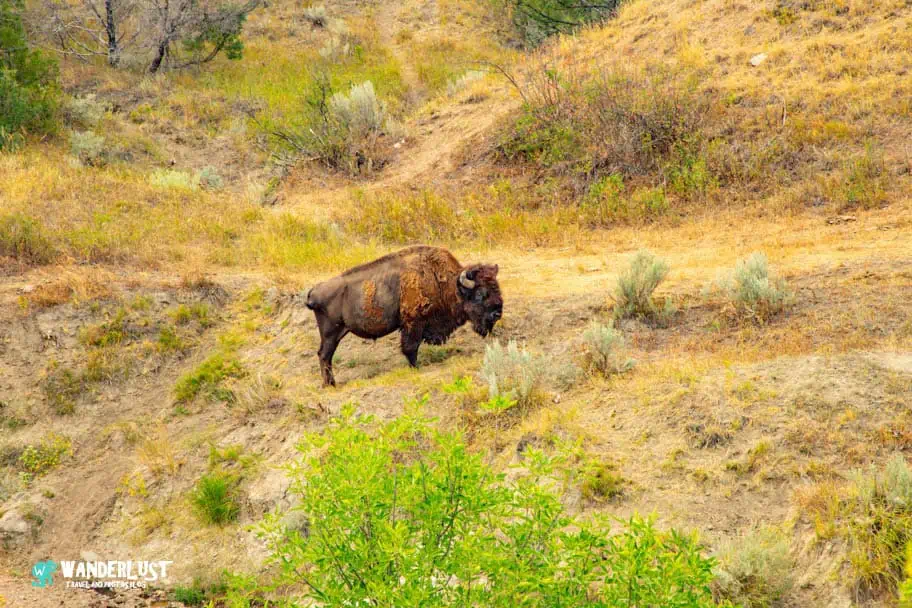
The park is home to bison, wild horses, elk, pronghorn, coyotes, and numerous bird species. Early mornings and evenings offer the best chances to see animals moving across the prairies or grazing near the roads. The mix of open grasslands and rugged terrain creates ideal habitat for large mammals.
Wildlife encounters often happen unexpectedly, adding excitement to scenic drives and hikes. Binoculars help spot animals along distant ridgelines, and patience pays off with memorable sightings. For many visitors, these moments become the highlight of their trip.
Oxbow Overlook

Oxbow Overlook reveals a sweeping horseshoe bend in the Little Missouri River framed by dramatic Badlands formations. The viewpoint offers a striking sense of scale, with layered ridges stretching into the distance and the river curving gracefully below.
Late afternoon light enhances the contours of the canyon, making this overlook ideal for photography. It’s a quiet, contemplative spot that showcases the North Unit’s rugged beauty and gives visitors a deeper appreciation for the park’s varied terrain.
Boicourt Overlook
Boicourt Overlook offers one of the most expansive views in the South Unit. A short walk leads to a ridge with unobstructed views across rolling Badlands terrain, distant buttes, and layered ridgelines. The horizon feels endless, especially during sunrise or sunset.
The overlook’s elevation and wide‑open perspective make it a favorite for photographers and visitors seeking a quiet place to take in the landscape. It’s a simple stop with a big payoff, showcasing the park’s dramatic scenery.
| Trail Stats | |
|---|---|
| Trail Type: | Out-and-Back |
| Distance: | 0.8 miles/1.3 kilometers |
| Elevation Gain: | 52 feet/16 meters |
| Time to Complete: | 0.5 to 1 hours |
| Difficulty Level: | Easy |
| Trail Map |
|---|
Night Sky Viewing
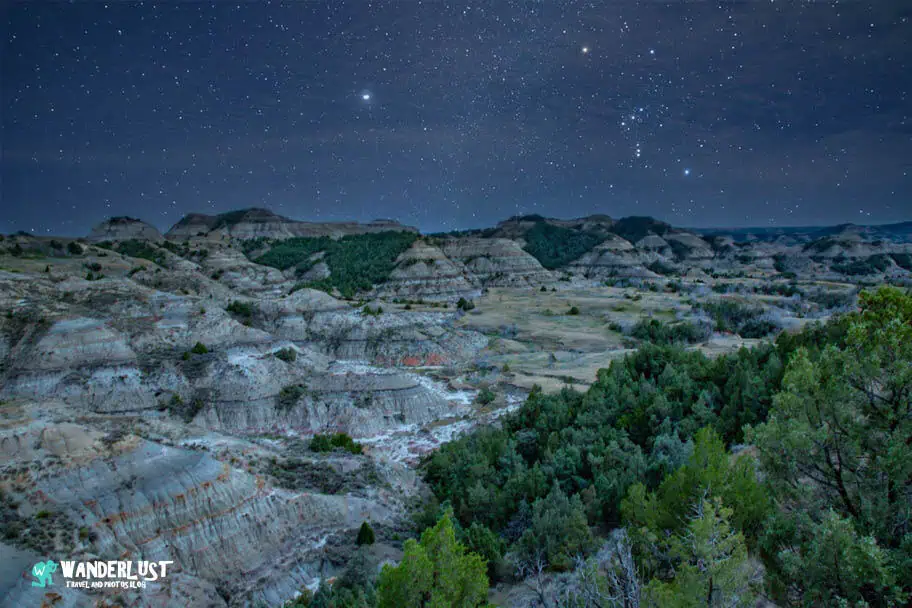
With minimal light pollution, the park offers exceptional stargazing. On clear nights, the Milky Way stretches across the sky, and constellations appear with crisp clarity. The quiet Badlands landscape creates a peaceful backdrop for night photography or simple sky watching.
Summer and fall often bring the best conditions, though winter nights can be incredibly crisp and bright. For the most immersive experience, head to a pullout away from the main road and let your eyes adjust to the darkness. It’s a serene way to end a day in the Badlands.
Theodore Roosevelt National Park Resources
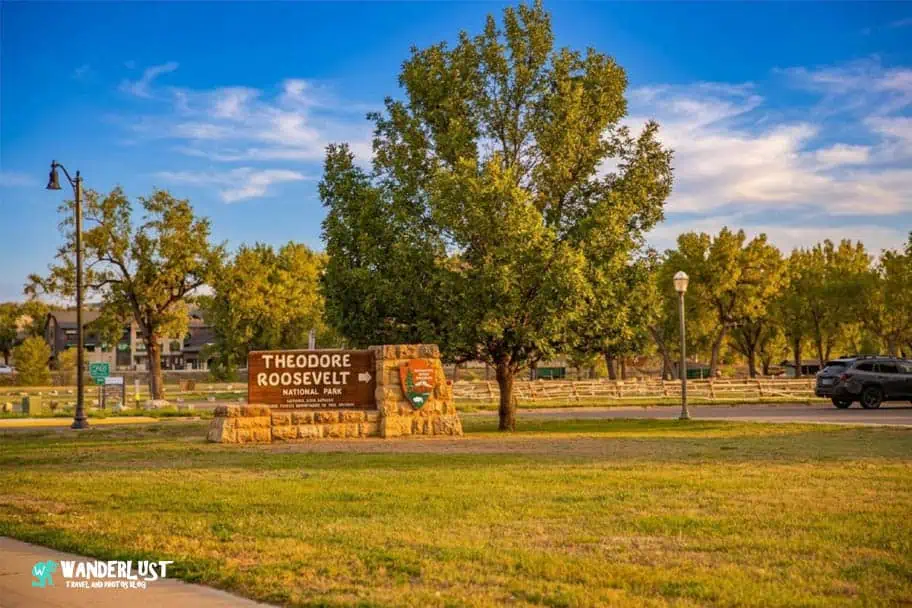
Park resources make planning a visit smoother by giving you quick access to maps, safety information, trail details, and seasonal updates. These tools are especially helpful when organizing a North Dakota Badlands road trip, since they pull together everything you need before arriving. Below, I’ve included a great resource list for Theodore Roosevelt National Park to help you prepare with confidence.
- Operating Hours and Seasons
- Fees and Passes
- Permits and Reservations
- Park Maps
- RVs and Trailered Vehicles
- Park Campgrounds
- Elkhorn Ranch Park Unit
- North Park Unit
- South Park Unit
- Visitor Centers
- Outdoor Activities
- Nearby Attractions
- Animals in the Park
South Unit Park Map

North Unit Park Map

When to Visit Theodore Roosevelt National Park
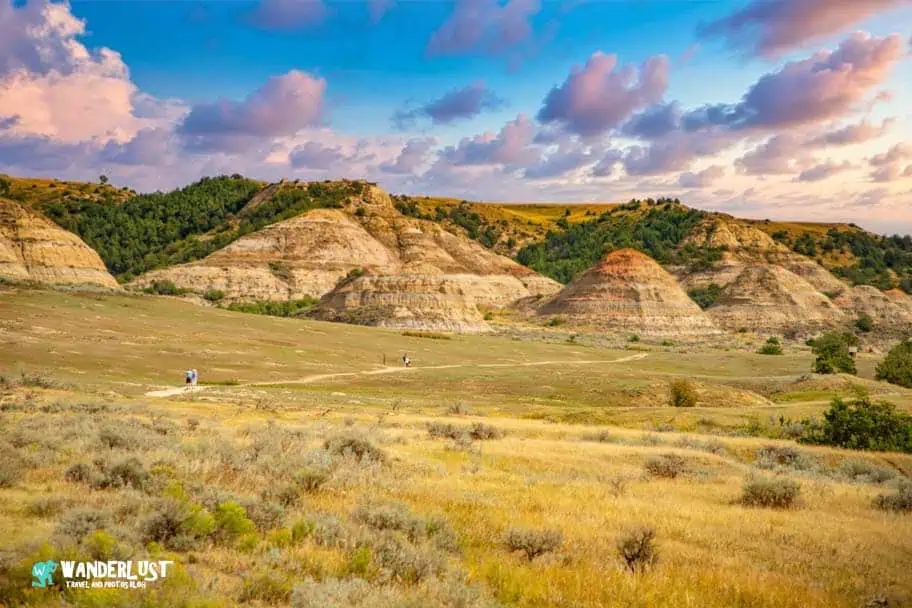
Seasonal conditions play a big role in shaping the experience of a visit to Theodore Roosevelt National Park, and choosing the right time can make a North Dakota Badlands road trip far more enjoyable. Temperature swings, precipitation patterns, and overall weather trends all influence what visitors can comfortably see and do throughout the year.
Average Temperatures (°F)
Average temperatures vary widely, from hot midsummer days to crisp fall afternoons and frigid winter lows. Warm weather makes scenic drives and longer hikes more accessible, while spring and fall offer milder conditions that are ideal for exploring trails. Winter’s cold can limit access but creates quiet, snow‑covered scenery for those prepared for it.
Average Precipitation (Inches)
Precipitation also affects the park experience. Spring rains can make trails muddy and occasionally slippery, while summer thunderstorms bring brief but intense downpours that may temporarily close certain areas. Fall is typically drier and more predictable, offering clearer skies and comfortable hiking conditions. Winter snowfall can be beautiful but may restrict travel on some roads.
Average Visitors
Visitor numbers shift throughout the year, influencing how busy overlooks, trails, and wildlife viewing areas feel. Summer draws the largest crowds, especially on weekends, which can make popular stops more active. Spring and fall offer lighter visitation and a more relaxed pace, while winter provides near‑solitude for travelers who enjoy quiet landscapes and minimal traffic.
Other Things to See in the Area
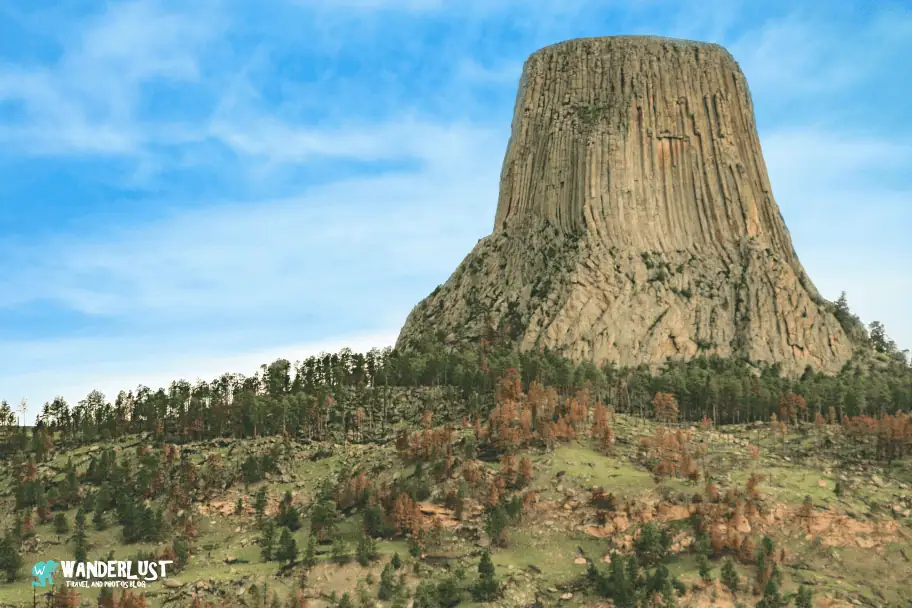
The Theodore Roosevelt National Park area is surrounded by a remarkable collection of parks and monuments that add depth, scenery, and history to any visit. This Theodore Roosevelt National Park guide highlights several nearby destinations—each offering its own landscapes, wildlife, and cultural significance. From the granite peaks of the Black Hills to the dramatic spires of the Badlands and the quiet prairies of cave‑rich national parks, these sites create a broader regional experience perfect for travelers looking to explore more of the northern Great Plains and western South Dakota.
Custer State Park
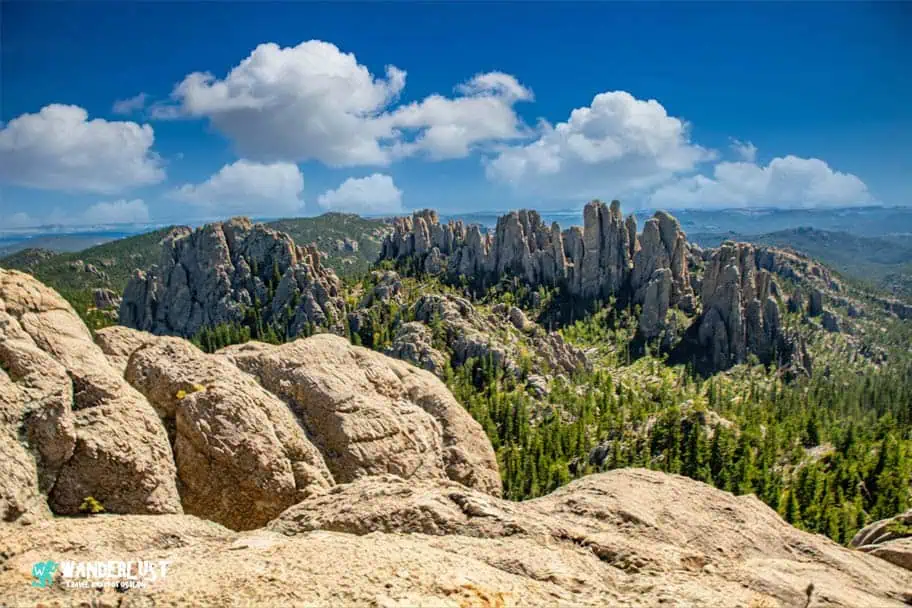
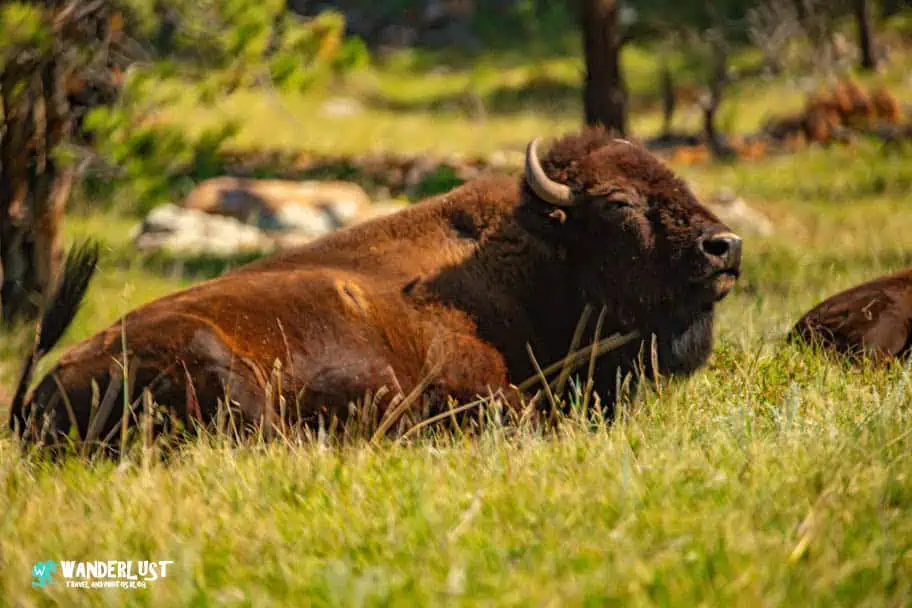
Custer State Park is one of the crown jewels of the Black Hills, known for its massive free‑roaming bison herd, granite spires, scenic drives, and peaceful lakes. Visitors can explore Needles Highway, hike among towering rock formations, watch wildlife along Wildlife Loop Road, or relax at Sylvan Lake. Its mix of rugged scenery and approachable activities makes it a favorite for families and photographers alike. The park is roughly 250 miles (about 4 hours) from Theodore Roosevelt National Park.
Badlands National Park
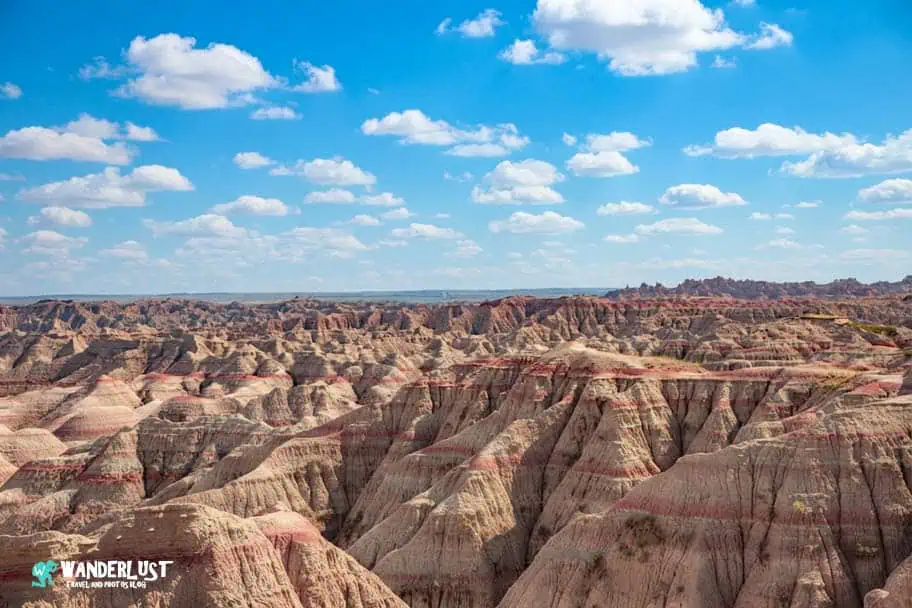
Badlands National Park features dramatic eroded formations, colorful sediment layers, and wide‑open prairie ecosystems that feel both ancient and otherworldly. Scenic drives reveal sweeping views, while short trails like Notch Trail and Door Trail offer close‑up encounters with the rugged terrain. Wildlife such as bighorn sheep and prairie dogs add movement to the landscape, and sunrise or sunset brings out the park’s most vivid colors. It sits approximately 220 miles (around 3.5 hours) from Theodore Roosevelt National Park.
Wind Cave National Park

Wind Cave National Park protects one of the world’s longest and most complex cave systems, famous for its rare boxwork formations and maze‑like passages. Above ground, visitors find rolling prairie, ponderosa forests, and abundant wildlife including bison, elk, and prairie dogs. Cave tours range from easy walks to more adventurous routes, while surface trails offer quiet, scenic hikes. The park is about 260 miles (roughly 4 hours) from Theodore Roosevelt National Park.
Jewel Cave National Monument
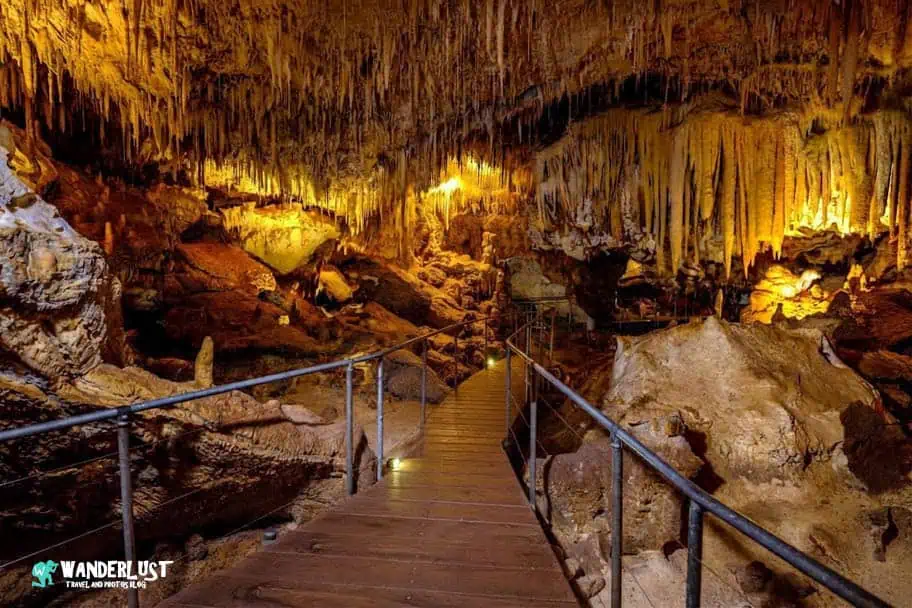
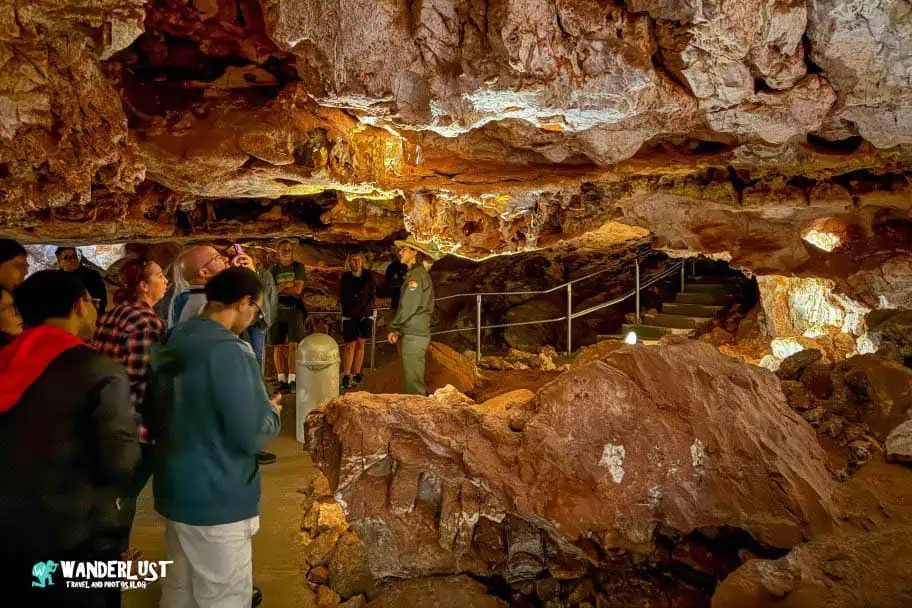
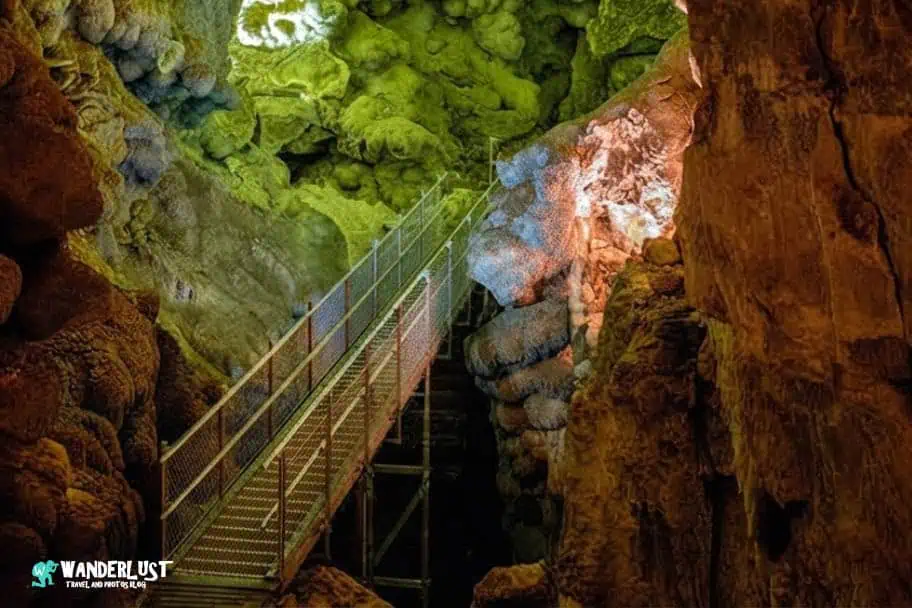
Jewel Cave National Monument showcases the third‑longest cave in the world, filled with glittering calcite crystals, narrow passages, and intricate formations that live up to its name. Guided tours take visitors deep underground to see its “jewels,” while surface trails provide peaceful walks through pine forests and rolling hills. It’s an excellent complement to Wind Cave for travelers interested in geology and underground landscapes. Jewel Cave is roughly 200 miles (about 3 hours) from Theodore Roosevelt National Park.
| READ MORE: |
 |
| Jewel Cave Visitor Guide: Planning Your Trip |
Mount Rushmore National Memorial
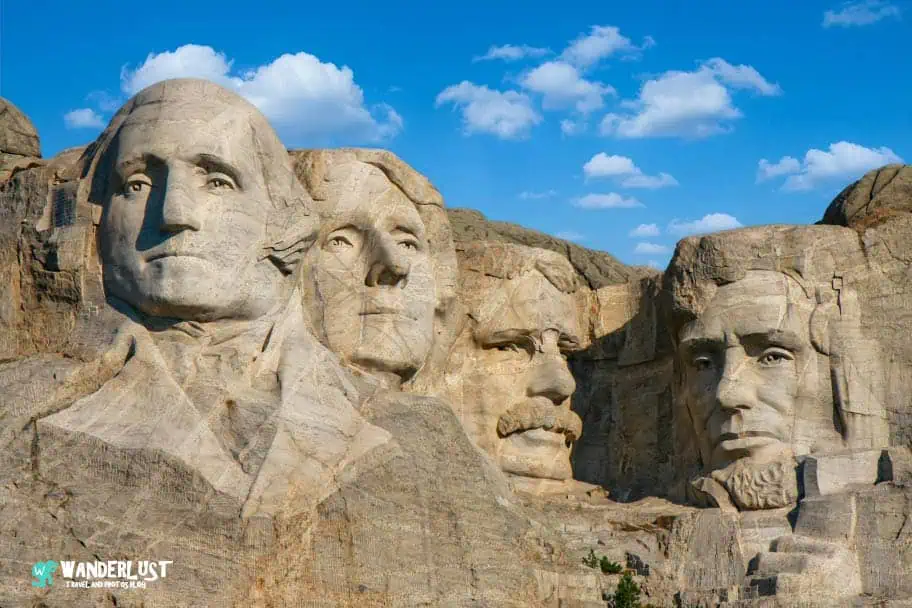
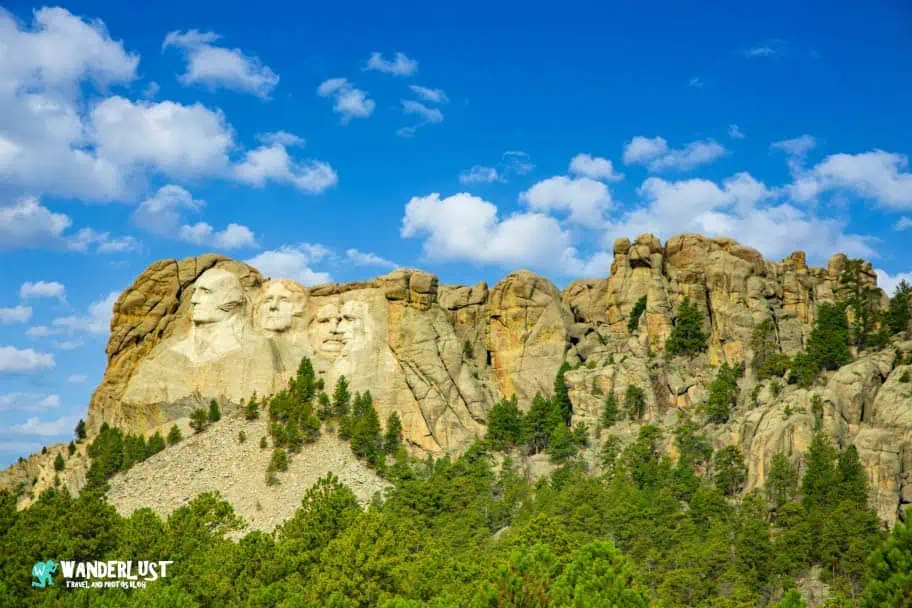
Mount Rushmore National Memorial features the iconic 60‑foot granite carvings of Washington, Jefferson, Roosevelt, and Lincoln set against the dramatic backdrop of the Black Hills. Visitors can walk the Presidential Trail for close‑up views, explore the sculptor’s studio, and learn about the monument’s creation. Evening lighting ceremonies add a memorable touch to the experience. The memorial is approximately 230 miles (around 3.75 hours) from Theodore Roosevelt National Park.
Crazy Horse Monument
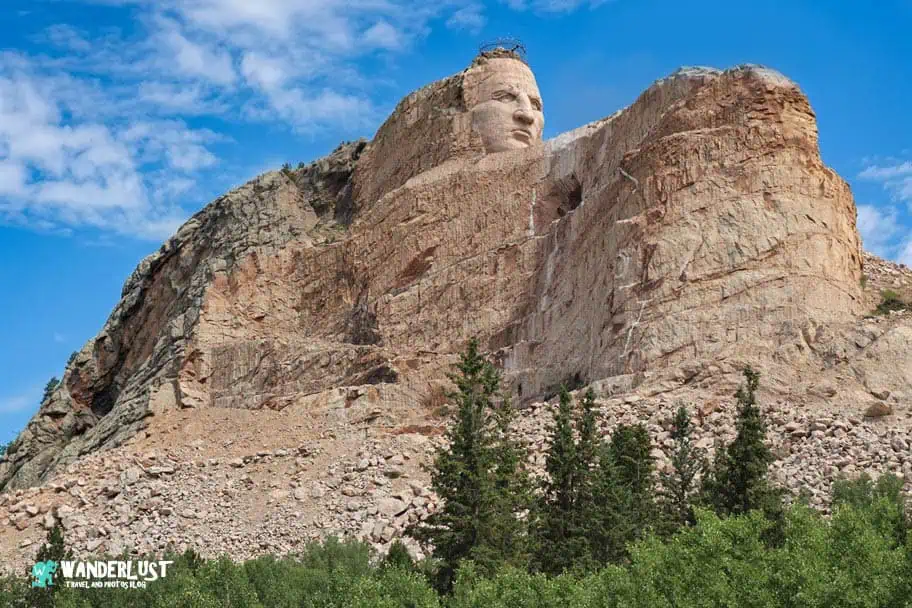
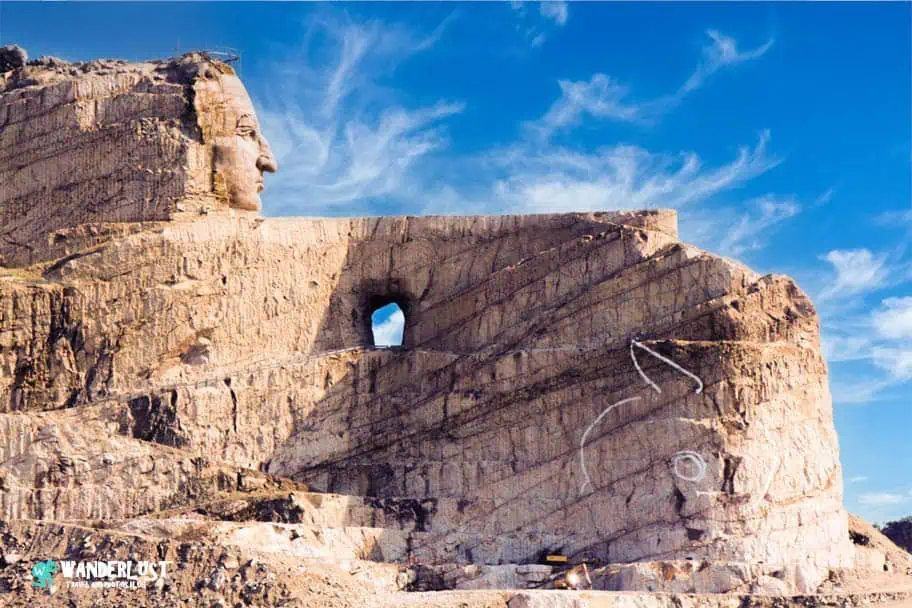
Crazy Horse Monument is an enormous mountain carving dedicated to the Lakota leader Crazy Horse and Native American heritage. The site includes museums, cultural exhibits, and viewing areas where visitors can watch ongoing progress on the carving. The scale of the project is striking, and the cultural interpretation adds depth to any Black Hills visit. Crazy Horse Monument is about 220 miles (roughly 3.5 hours) from Theodore Roosevelt National Park.
Devil’s Tower National Monument
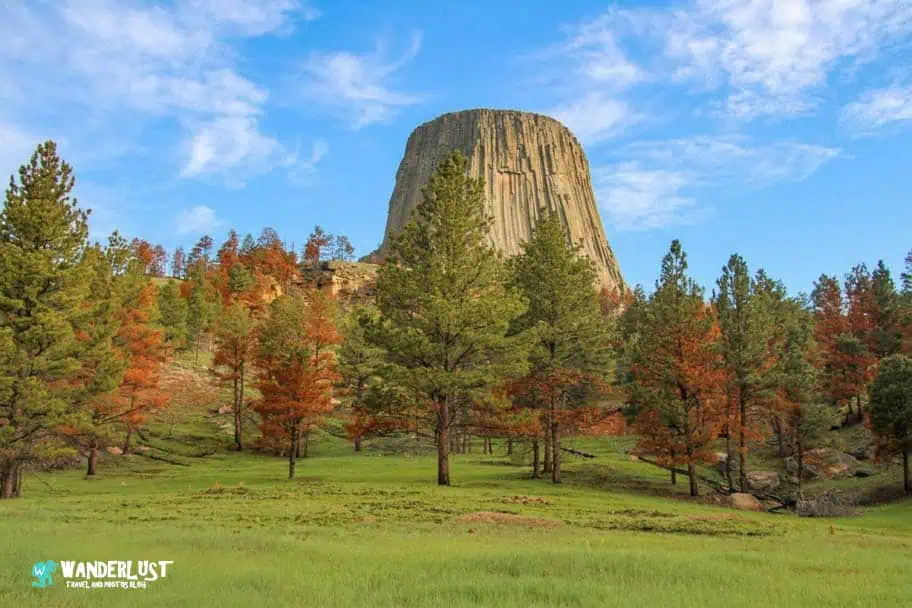
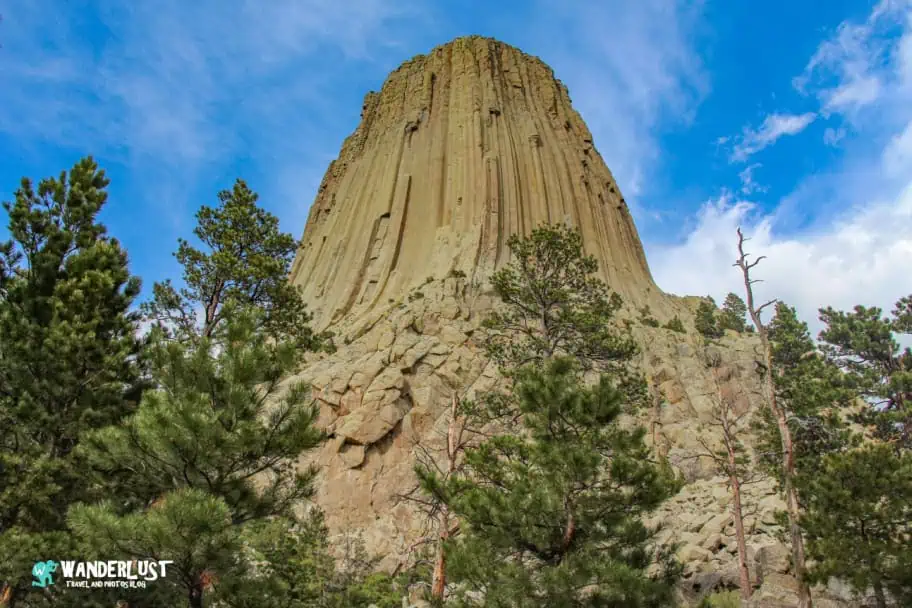
Devil’s Tower National Monument features a towering volcanic monolith rising dramatically above surrounding plains and forests. Visitors can hike the Tower Trail for close‑up views of its columnar structure, watch climbers ascend its sheer walls, or enjoy panoramic vistas from nearby overlooks. The site’s cultural significance and striking geology make it a standout stop in the region. Devil’s Tower is roughly 180 miles (about 3 hours) from Theodore Roosevelt National Park.
Where to Stay Near Theodore Roosevelt National Park

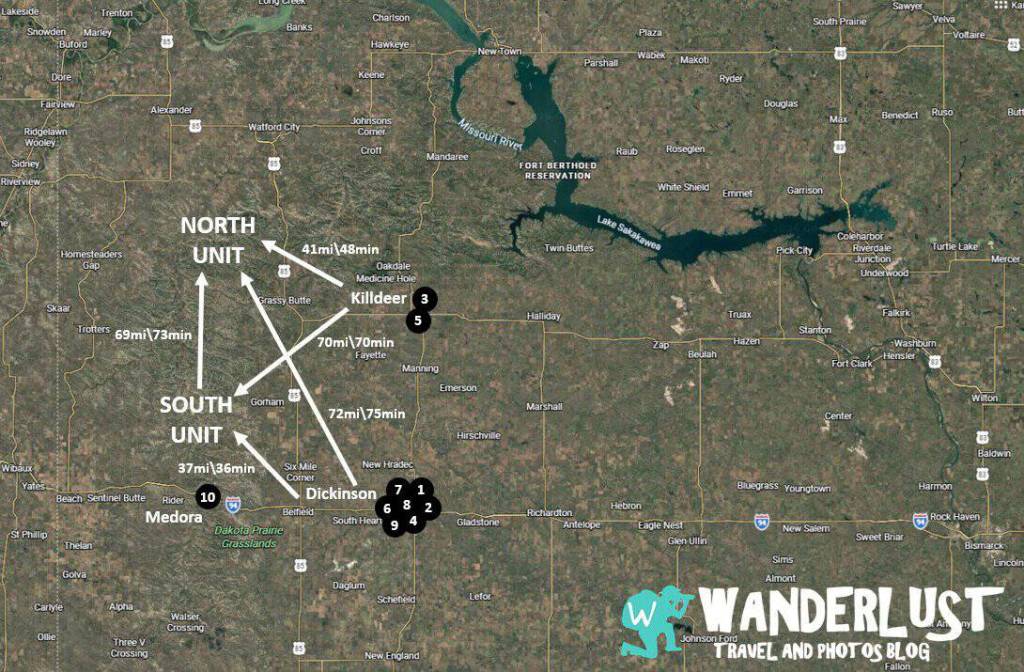
The Theodore Roosevelt National Park area offers a mix of small gateway towns and larger regional hubs, giving visitors plenty of choices for lodging. This Theodore Roosevelt National Park guide highlights the two main areas where most accommodations are concentrated: Medora, the closest town to the South Unit, and Dickinson, a larger city about 30–40 minutes away with a wider range of hotels, services, and dining options. A smaller cluster of lodging also exists in Killdeer, which provides quieter, more rural stays within reasonable driving distance of the park.
Campgrounds
Camping is another great option for experiencing the Badlands landscape more directly. The park offers established campgrounds with scenic surroundings, wildlife viewing opportunities, and easy access to trails and overlooks. For visitors planning to camp, I’ve included a map of recommended campgrounds below to help you choose the best spot based on location, amenities, and proximity to the park’s three units.
Hotels
For those who prefer hotel comfort, the area offers a variety of choices across several price ranges. Medora provides the closest access to the park, while Dickinson and Killdeer offer more amenities and additional mid‑range and budget‑friendly options. To make planning easier, I’ve included a list of recommended hotels at different price points below, covering the most convenient lodging areas for visiting Theodore Roosevelt National Park.


Activities and Tours in the Park Area
Visitors to Theodore Roosevelt National Park can enjoy a wide range of activities that showcase the rugged beauty of the Badlands. Scenic drives through the South and North Units offer sweeping views of striped buttes, quiet prairies, and wildlife like bison, wild horses, and prairie dogs. Hiking trails such as Wind Canyon and Buckhorn Trail give travelers close‑up access to the park’s dramatic geology and peaceful overlooks, while photography, birdwatching, and stargazing round out the experience for nature lovers.
Whether you’re exploring on foot or by car, the park delivers memorable moments throughout a North Dakota Badlands road trip. Visitors can enjoy ranger programs, backcountry hiking, and quiet river overlooks along the Little Missouri. Wildlife viewing is a highlight in every season, with chances to see bison herds grazing, wild horses moving across ridgelines, and pronghorn sprinting across open grasslands. The park’s varied terrain makes it easy to find both solitude and adventure.
Theodore Roosevelt National Park Activity Resources
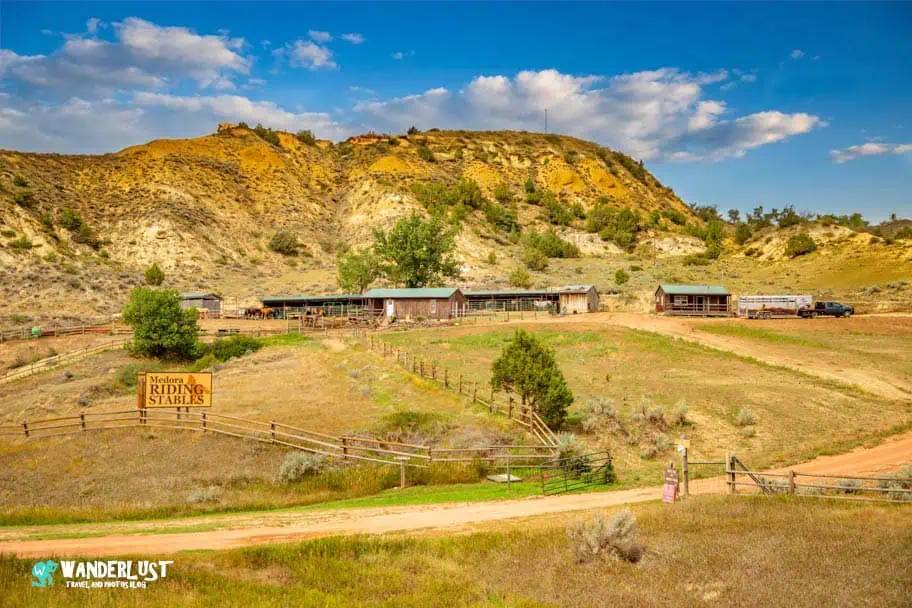
- Horseback Riding – Medora Riding Stables
- E-Bike Rental – Iron Horse Rental Co
- Ziplining – Manitou Point to Point Zipline
- Catch a Musical – Burning Hills Amphitheatre
Beyond the park boundaries, the surrounding area offers even more ways to explore western North Dakota. Travelers can enjoy horseback riding, guided hikes, jeep tours, and cultural experiences in and around Medora. To help you plan, I’ve included a list of recommended tours below so you can easily choose the experiences that best fit your trip.
Recommended Theodore Roosevelt National Park Area Tours
Theodore Roosevelt National Park Photo Gallery
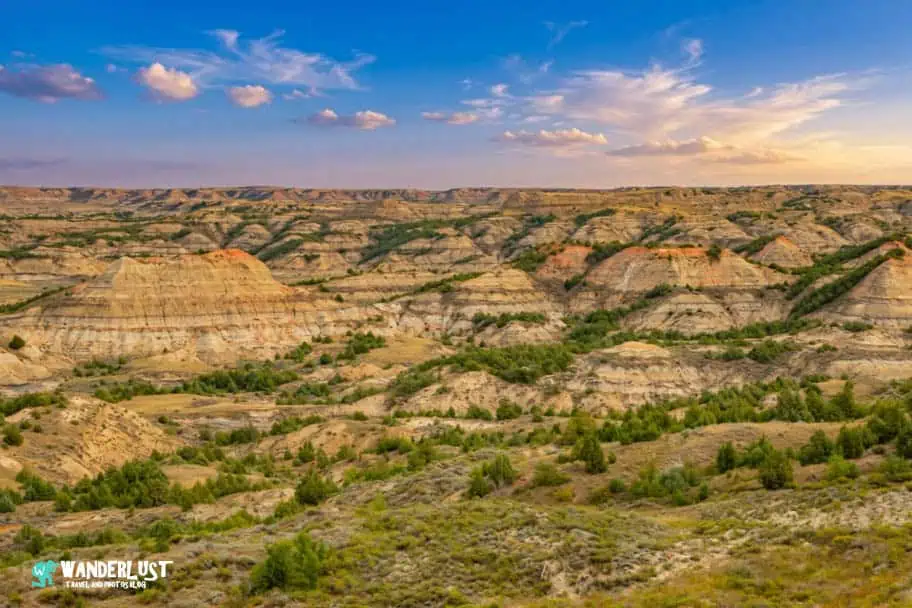
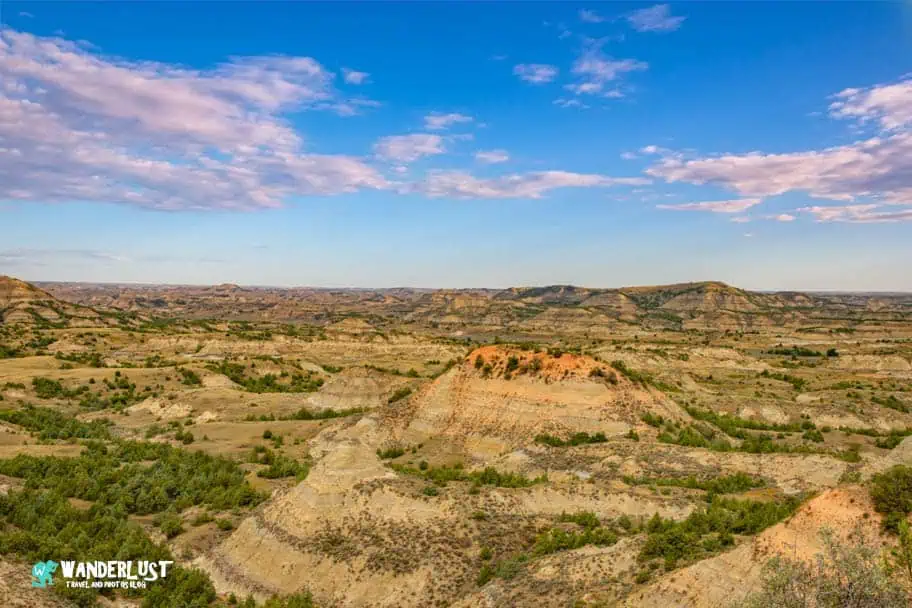
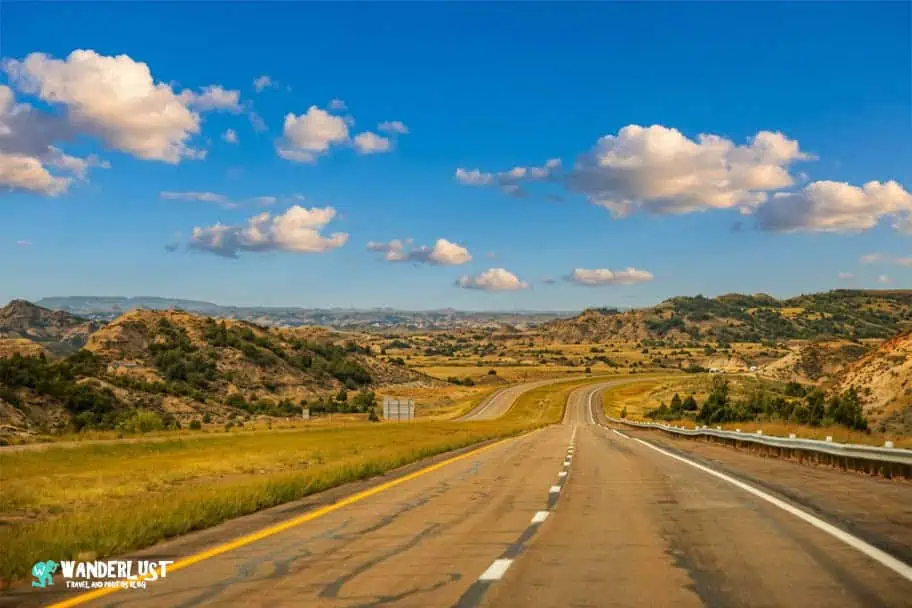
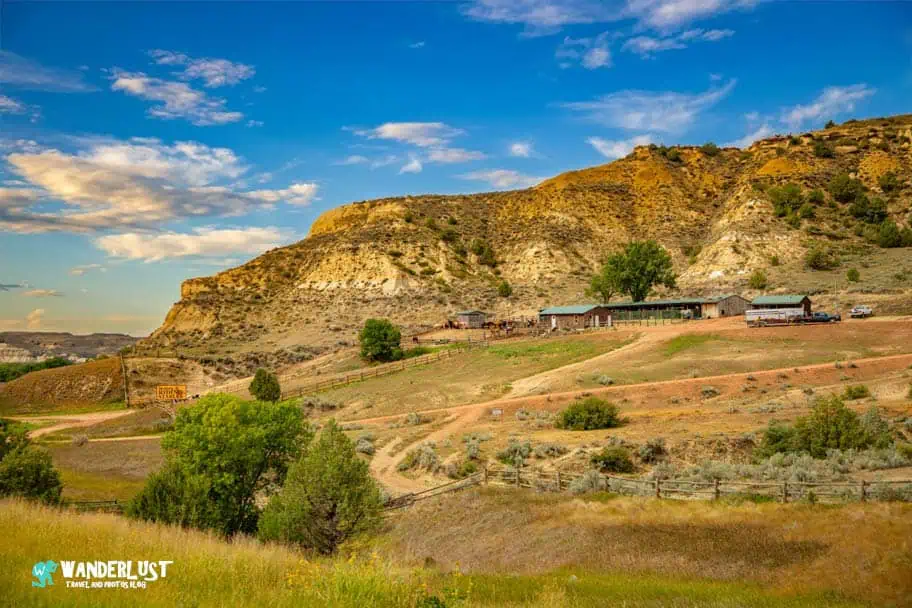
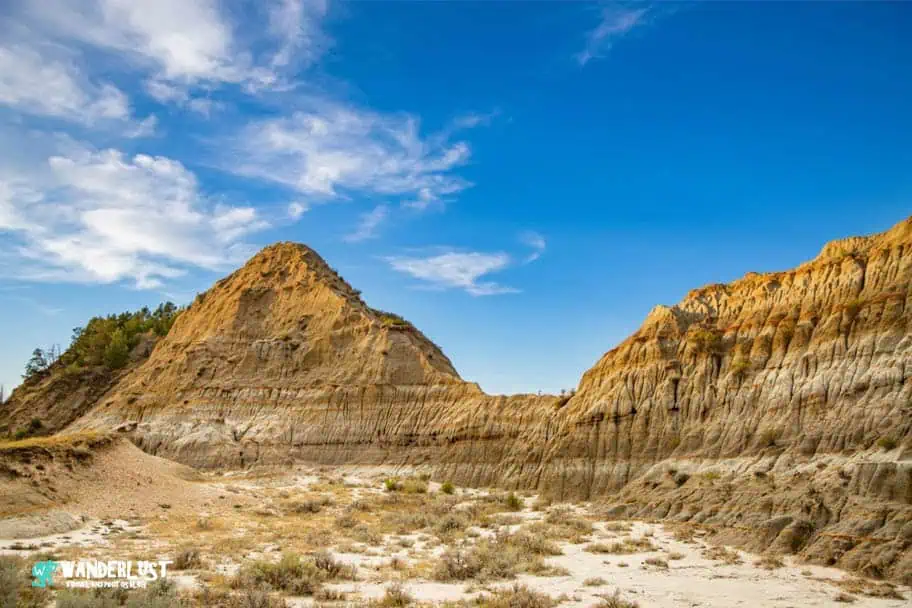
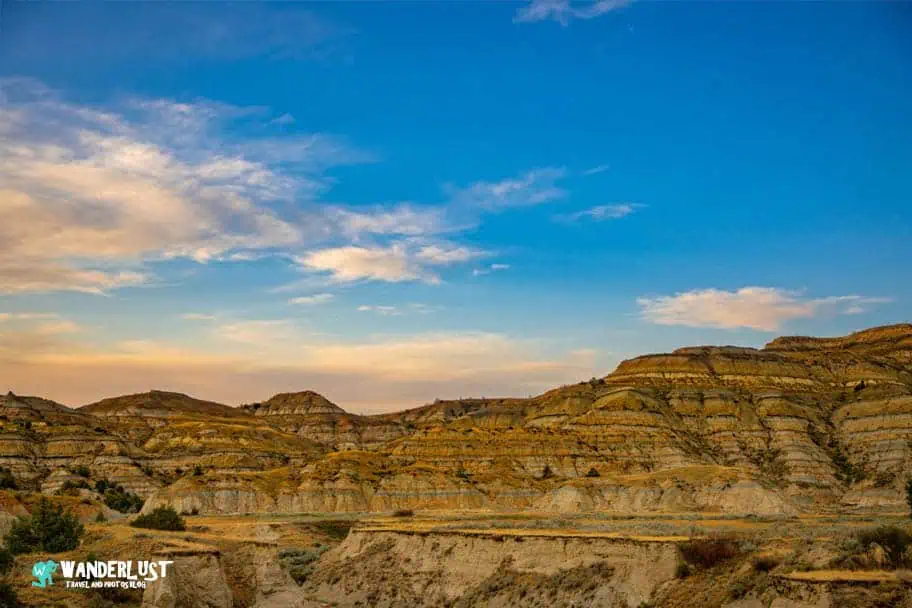
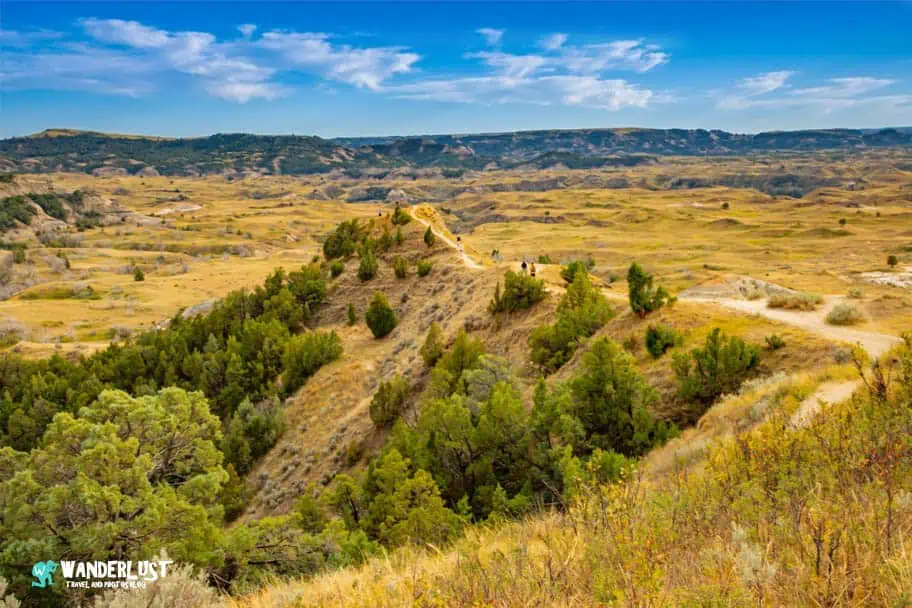
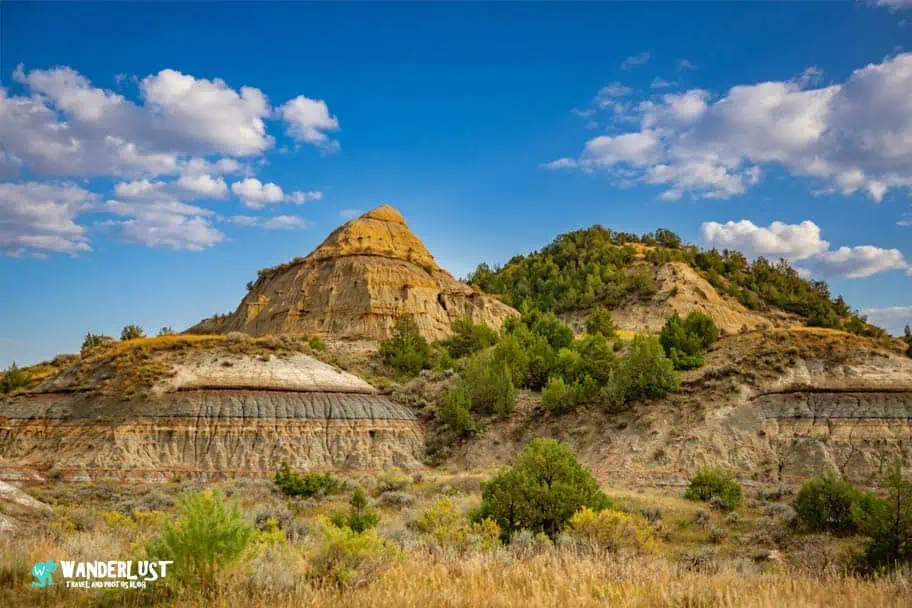
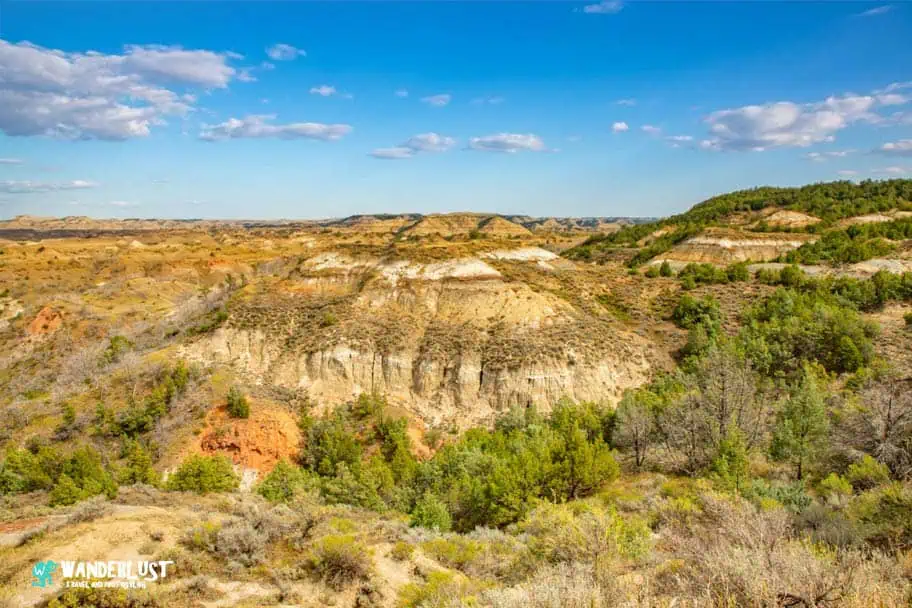
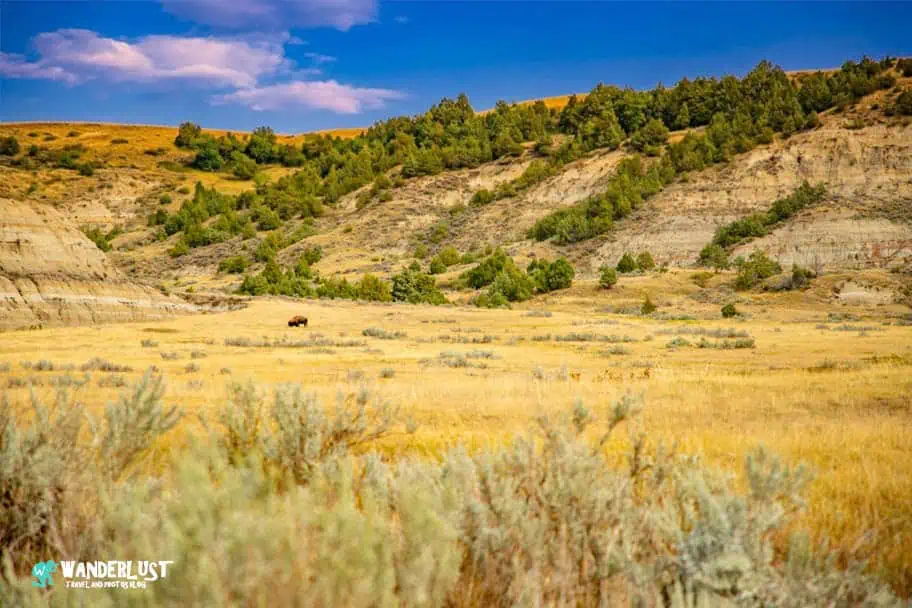
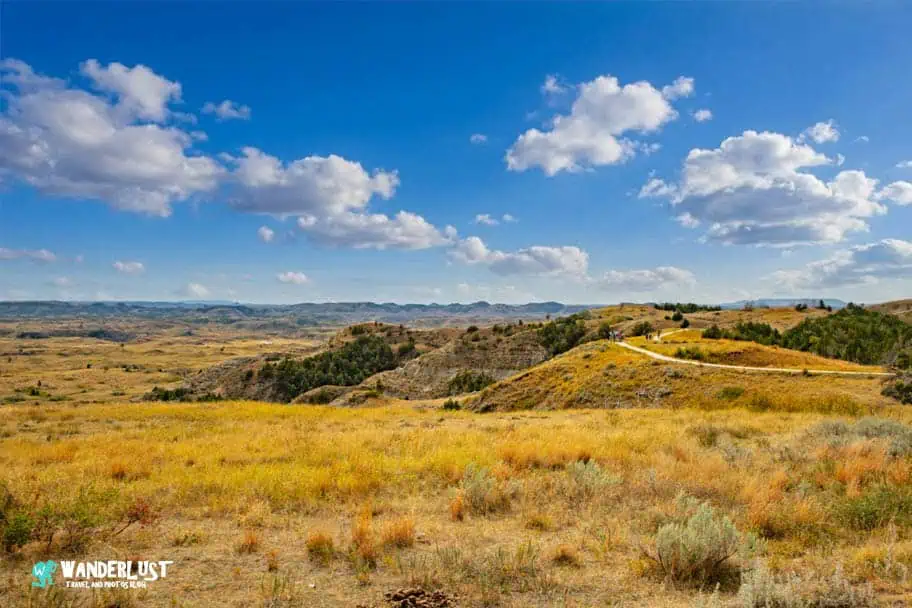
Theodore Roosevelt National Park’s rugged Badlands landscapes make it an unforgettable place to photograph, with colorful buttes, wide‑open prairies, and wildlife that often wanders right into view. To showcase the beauty and character of this unique North Dakota park, I’ve put together a photo gallery below featuring highlights from my visit.
If you’re interested in exploring more of my travel photography, I’d love for you to join me on Instagram! Creating this blog to share my free guides, itineraries, and travel photography tips takes a lot of effort, and a follow on Instagram would truly mean the world to me. Your support makes it all worthwhile!
FOLLOW ME!





Don’t Forget to Subscribe to My Adventures!

Let Me Help You Save On Your Next Adventure!
‘Start Exploring Today’ Merchandise Available Now!
 |
 |
 |
 |
 |
 |
 |
















Leave a Reply