
The travel world is in the middle of a major dynamic pricing controversy, and travelers everywhere are feeling the impact. What started as a behind‑the‑scenes algorithmic strategy used by airlines has now spread to hotels, rental cars, theme parks, and even museums. As more travelers speak out, a full‑scale travel-pricing backlash is taking shape—one fueled by frustration, confusion, and growing distrust of how companies use algorithmic pricing to set prices in real time.
Why Dynamic Pricing Has Become So Controversial

Dynamic pricing isn’t new. Airlines have used it for decades, adjusting fares based on demand, seasonality, and booking patterns. But the scale and aggressiveness of today’s algorithmic travel pricing is something entirely different. Travelers now see prices jump within minutes, fluctuate wildly from one search to the next, and spike during peak moments in ways that feel less like market economics and more like opportunistic gouging.
This shift has fueled a widespread travel pricing backlash, especially as travelers realize that dynamic pricing is no longer limited to airfare. Hotels, cruise lines, and even national parks are adopting similar models, often without transparency or clear justification.
The result? A growing sense that the dynamic pricing controversy is not just about higher prices—it’s about fairness, trust, and the feeling that travelers are being manipulated by opaque algorithms.
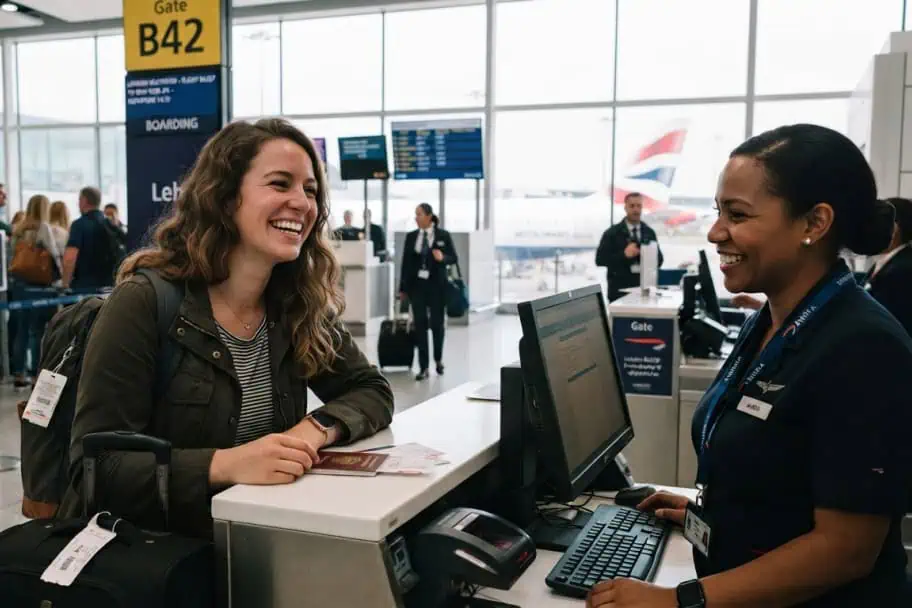
Airlines: The Original Source of Frustration

Airlines pioneered dynamic pricing, but recent changes have intensified the backlash. Travelers report seeing airfare jump hundreds of dollars within minutes, especially during high‑demand periods or after repeated searches. Many believe airlines use browsing behavior to raise prices, even though companies deny this.
Still, the perception persists—and perception is powerful.
Why Travelers Are Angry
- Prices fluctuate too quickly to feel rational.
- Fare classes and restrictions are increasingly confusing.
- Add‑on fees (bags, seats, priority boarding) make pricing feel intentionally opaque.
- Families struggle to find seats together without paying extra.
These frustrations feed directly into the broader travel pricing backlash, especially when travelers feel airlines are using algorithmic travel pricing to squeeze every possible dollar out of them.
The Transparency Problem
Airlines rarely explain why prices change. Without clarity, travelers assume the worst—that algorithms are designed to exploit urgency, fear of missing out, or even personal data.
This lack of transparency is a major driver of the dynamic pricing controversy, and it’s pushing travelers to seek alternatives, including low‑cost carriers, train travel, or shifting travel dates entirely.
| READ MORE: |
 |
| 15 Steps to Save You Money on Flights |
Hotels: The New Frontier of Algorithmic Pricing

Hotels once relied on seasonal rates and occupancy forecasts. Today, many major chains use real‑time pricing models that mirror airline algorithms. Prices can change multiple times per day, and travelers increasingly feel blindsided.
What’s Fueling the Backlash
- Rates spike dramatically during local events.
- Prices fluctuate even when rooms are plentiful.
- “Resort fees” and “destination fees” hide the true cost.
- Loyalty members feel they’re losing value.
The hotel industry’s adoption of algorithmic travel pricing has intensified the travel pricing backlash, especially as travelers notice that even budget hotels now use dynamic pricing aggressively.
The Rise of “Micro‑Dynamic Pricing”
Some hotels adjust prices based on:
- Weather.
- Local restaurant reservations.
- Flight cancellations.
- Social media trends.
- Nearby concert announcements.
This level of granularity makes travelers feel like they’re being watched—and charged accordingly. It’s a major contributor to the expanding dynamic pricing controversy.
| READ MORE: |
 |
| The Ultimate Travel Packing Checklist |
| READ MORE: |
 |
| The Essential Travel Carry-On Checklist |

Rental Cars, Cruises, and Theme Parks Join In

Dynamic pricing has spread far beyond flights and hotels.
Rental Cars
Rental car companies adjust prices based on:
- Flight arrivals.
- Local events.
- Inventory shortages.
- Time of day.
This leads to massive spikes during holidays or unexpected travel disruptions.
Cruises
Cruise lines now use dynamic pricing for:
- Cabin upgrades.
- Shore excursions.
- Onboard dining packages.
Travelers often feel nickel‑and‑dimed, adding fuel to the travel pricing backlash.
Theme Parks
Disney, Universal, and other parks use dynamic pricing for:
- Tickets.
- Genie+/FastPass systems.
- Special events.
Families planning vacations feel overwhelmed by unpredictable costs, reinforcing the dynamic pricing controversy.
The Psychology Behind Traveler Frustration

Dynamic pricing doesn’t just raise prices—it raises emotions.
Loss of Control
Travelers feel powerless when prices change without explanation.
Distrust of Algorithms
Opaque systems create suspicion, especially when companies refuse to disclose how pricing decisions are made.
Fear of Being Exploited
When prices spike during emergencies, weather events, or cancellations, travelers feel taken advantage of.
These emotional responses are a major reason the travel pricing backlash continues to grow.
Is Dynamic Pricing Ever Fair?
Some argue that dynamic pricing helps distribute demand and keeps travel accessible during off‑peak times. In theory, algorithmic travel pricing can benefit travelers by offering lower prices when demand is low.
But the problem is consistency. Travelers rarely feel they’re getting a deal—they feel they’re being charged more.
Transparency is the missing ingredient. Without it, the dynamic pricing controversy will continue to escalate.
How Travelers Are Fighting Back

Travelers are becoming more strategic—and more vocal.
Tools and Tactics
- Price‑tracking apps.
- VPNs to avoid location‑based pricing.
- Booking during off‑peak hours.
- Using incognito mode (even if it doesn’t always help).
- Comparing multiple booking platforms.
Public Pressure
Social media outrage has forced some companies to reconsider extreme pricing practices. Travelers are increasingly calling out unfair pricing publicly, adding momentum to the travel pricing backlash.
What the Future Looks Like

Dynamic pricing isn’t going away. In fact, it will likely become more sophisticated. But the backlash is forcing companies to rethink how they communicate pricing.
Expect to see:
- More transparency.
- Clearer explanations of price changes.
- Caps on surge pricing.
- Consumer protection laws.
- Industry‑wide standards for algorithmic fairness.
If companies fail to adapt, the dynamic pricing controversy will only intensify—and travelers will continue pushing back.
Final Thoughts
Dynamic pricing has reshaped the travel industry, but not always for the better. Airlines, hotels, rental car companies, and theme parks have embraced algorithmic travel pricing so aggressively that travelers feel overwhelmed, frustrated, and increasingly distrustful.
The growing travel pricing backlash is a sign that travelers want fairness, clarity, and predictability—not opaque algorithms that change prices minute by minute.
Until companies address these concerns, the dynamic pricing controversy will remain one of the most heated debates in modern travel.
Don’t Forget to Subscribe to My Adventures!

Let Me Help You Save On Your Next Adventure!
‘Start Exploring Today’ Merchandise Available Now!
 |
 |
 |
 |
 |
 |
 |



















Leave a Reply